
Romania continues to be a country of social assistance. According to the data presented at the “Truth” request by the Ministry of Labour, in Romania, in 2024, there were no less than 259,418 beneficiaries of the minimum inclusion income, which replaced social benefits.
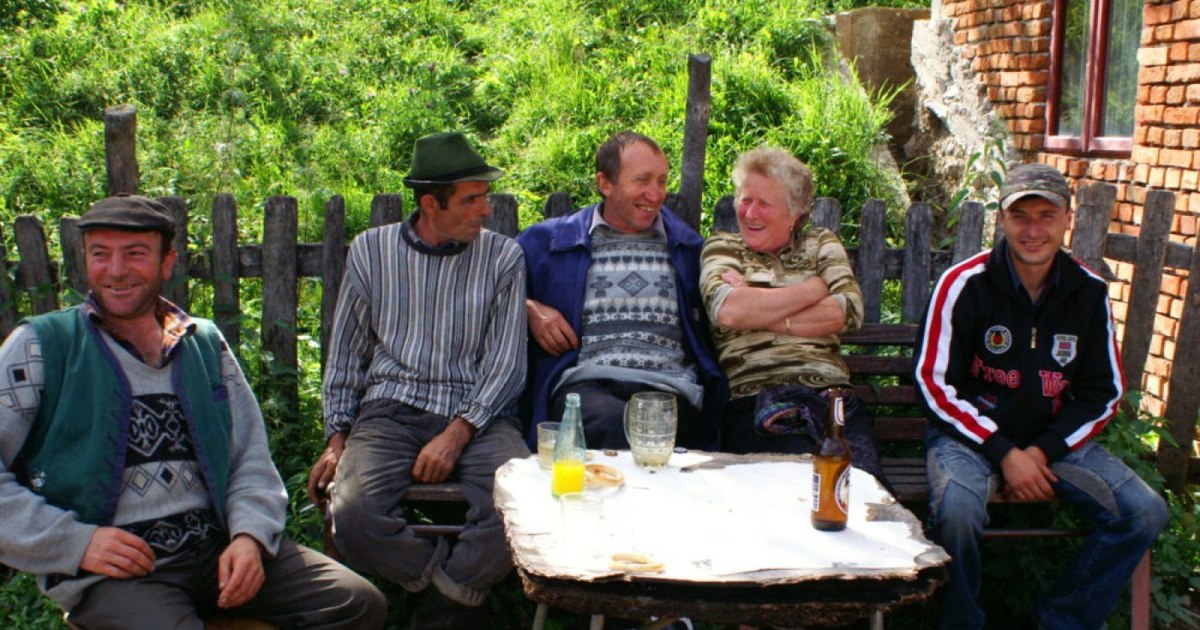
Social assistance is numerous in Romania PHOTO Adevărul archive
The minimum income of inclusion is the financial support granted by the state to ensure the minimum standard of living for families and single people in a difficult situation. It replaced the social aid and the family support allowance, entering into force on January 1, 2024.
According to the information provided by the Ministry of Labor exclusively for “Adevărul”, last year no less than 14,855 beneficiaries of the minimum inclusion income simply refused to provide hours for the benefit of the community or to report to county employment agencies to look for a job.
This although the legislation clearly states that “able-bodied persons receiving a minimum income of inclusion have the obligation to provide, monthly, actions or works of local interest and to look for a job through the territorial agencies for employment”. As a result, those who refused to work or look for a job were left without the minimum income of inclusion.
Also in 2024, the most beneficiaries of the minimum inclusion income were in the counties of Dolj (15,310), Bacău (12,820), Buzău (11,643), Suceava (11,537) and Teleorman (11,292).
20% of the inhabitants of a commune receive social assistance
Regarding the top of the localities with the most beneficiaries of the minimum inclusion income, last year Râmnicelu commune (Buzău county) was in first place, with 876 beneficiaries. And since the commune has 4,726 inhabitants, this means that almost 20% of them live on social benefits.
Valea Moldovei commune from Suceava (832), a commune with 4,393 inhabitants, came in second place in terms of number of beneficiaries. The third place was occupied by the commune of Slobozia Bradului from Vrancea, with 777 beneficiaries.
From March 1, 2024, the value of the monthly inclusion aid for a single person was set at 346 lei, for a family with children – 879 lei and 504 lei for a single person over 65 years of age.
“Adevărul” spoke with the sociologist Robert Santa about the high number of social workers who refuse to work, but also about the large number of Romanians who receive the minimum inclusion income.
“There are several factors. It is possible that some of these people, although they qualify for this help, have other sources of income that we do not see. Let’s not forget that in poor rural areas a very important role is played by the income received from relatives who work abroad, especially seasonal work. Many times, the areas with many beneficiaries of the minimum income of inclusion are not necessarily the economically dynamic ones. There are also certain people who believe that they are better off just having this minimum financial aid than looking for a job they don’t agree to, even though the minimum inclusion income is well below the minimum wage in the economy”said sociologist Robert Santa for “Adevărul”.
The sociologist also presented two examples of how these aids are granted in other countries: “There are certain states that have come to the conclusion that there is a risk of abuse and usually they have followed two solutions. In Germany, you get help, but if you find a job you are obliged to accept it, otherwise there is a risk of losing that help. A second model is in Hungary, where there is also a guaranteed minimum income. But in order to benefit from it, it is necessary for the beneficiaries to provide work for the benefit of the community”.
