
Norovirus, a highly contagious virus, requires strict hygiene measures to prevent its spread. It is important to follow the correct hygiene steps before, during and after an infection to protect the health of those around you.
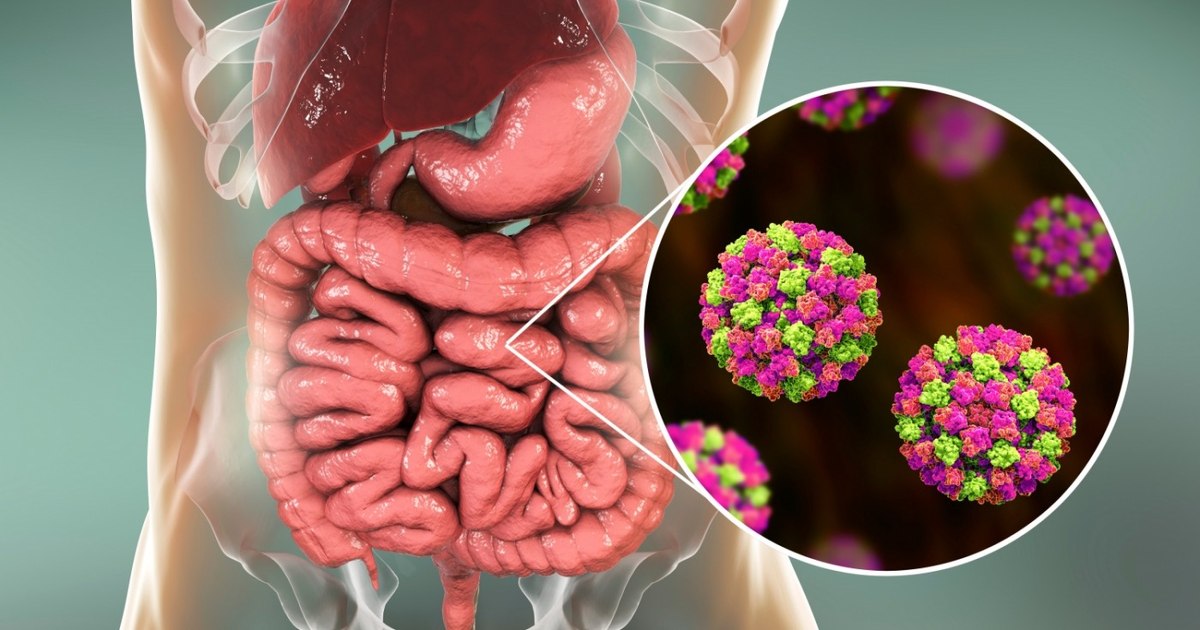
Norovirus. Photo: Shutterstock
Norovirus is a highly contagious gastrointestinal infection also known as the “winter vomiting disease” or “two bucket disease” because of the severe symptoms of vomiting and diarrhea, according to washingtonpost.com. The virus spreads quickly and can survive on surfaces for weeks, making cleaning and disinfection essential to prevent the spread. It is also resistant to many cleaning products, including alcohol-based disinfectant gels.
“Norovirus is part of a group of small viruses that can be resistant to some cleaning products,” says Callum Couser, operations manager at Lysol maker Reckitt. Therefore, “extra precautions” are required for cleaning and disinfection. “It’s a highly contagious, hard-to-kill germ that can survive on surfaces for weeks. You must clean and disinfect surfaces to prevent reinfection and wear gloves when cleaning,” adds Jessica Ek, senior director of digital communications at the American Cleaning Institute.
How to protect yourself from norovirus?
- Proper hand washing. Proper hand washing is essential to prevent norovirus infection. Use clean water at the desired temperature, apply soap and rub your hands for at least 20 seconds, including between the fingers and under the nails. Remember that hand sanitizers are not effective against norovirus, according to the Centers for Disease Control and Prevention (CDC).
- Choose the right cleaning products.
Cleaning and disinfection are two different processes. Cleaning involves removing visible contaminants, while disinfection removes microorganisms, including viruses such as norovirus. “Make sure you disinfect properly, following the manufacturers directions to be sure the product works against norovirus“, emphasizes Ek. The EPA also provides a list of products effective against this virus. - How to properly disinfect.
To completely remove the virus, be sure to follow the instructions on the product label. Clean the surface first, then apply the disinfectant and leave it on for the recommended time. - Laundry cleaning.
If someone in your household has been infected with norovirus, you will need to change the way you wash your clothes, using extra precautions. Wear gloves when handling contaminated laundry and wash it separately from other items. Use hot water and add laundry detergent. - How to clean up vomiting and diarrhea, If someone has vomited or had diarrhoea, quick cleaning and disinfection is essential. “Put on gloves, collect the solid material with paper towels and disinfect the area using an appropriate product“, recommends Ek.
- Cleaning up after norovirus illness. After the infection has passed, it is necessary to do a general cleaning. Cleans and disinfects all frequently touched surfaces, including doors, switches, faucets and bathrooms. Also wash infected clothing and underwear separately.
