
The heirs of the Russian decorator Alexandre Benois and Maurice Ravel appealed at the end of November against a court ruling that established that the French composer was the sole author of the famous “Boléro”, the lawyer of the Benois estate said on Tuesday, confirming a report in Le Figaro .
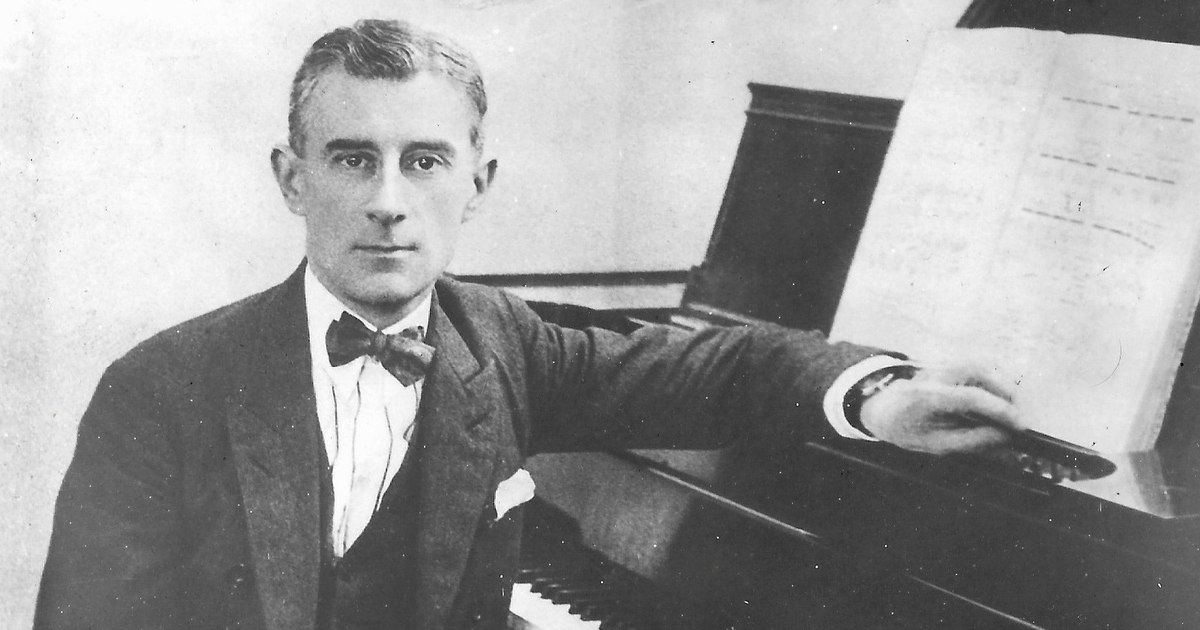
Maurice Ravel PHOTO: X/Ravel Maurice
The two parties appealed one after the other “within the stipulated period”, Edouard Mille told AFP, adding that he “reserves his criticism” of the decision for the appeal hearing.
Composed in 1928 and premiered in November of the same year at the Opéra Garnier in Paris, “Boléro” was originally commissioned as ballet music by the Russian dancer Ida Rubinstein, Ravel’s friend and protégé. Critically acclaimed, the play quickly became a triumph.
In this bitter battle that has continued since “Boléro” entered the public domain in 2016, the heirs of the Russian decorator, who worked with Ravel, continue to insist that Alexandre Benois is a co-author.
As Benois died in 1960, this would extend the work’s protection by the Société des auteurs, compositeurs et éditeurs de musique (Sacem), which manages and collects copyright in France, until 1 May 2039.
The essential problem is of a financial nature: although the generated royalties no longer represent “millions of euros per year”, as happened in the past, the amounts were on average 135,507 euros per year between 2011 and 2016, according to an estimate by Sacem’s lawyer, Josée-Anne Bénazéraf.
In France, copyright on a musical composition is valid for the lifetime of its author and then for the next 70 years before entering the public domain.
“Boléro” was protected for 78 years and four months, until 2016, because the law provided for extensions to compensate French artists for the loss of income during the two World Wars.
On June 28, the court of Nanterre (west of Paris) rejected Benois’ request, considering that “the documents provided do not prove that he is the author of the argumentation (summary, no) of the ballet”.
The argument of another prejudiced co-author, choreographer Bronislava Nijinska, was also rejected by the court.
The court said, in essence, that Sacem was right to oppose Ravel’s heirs’ move to artificially extend Boléro’s term of protection.”beyond what was reasonable”declared Bénazéraf, delighted at the time.
Ravel’s heir, Evelyne Pen de Castel, was forced to pay a symbolic euro to Sacem “as compensation for the damage resulting from the abuse of his copyright moral rights”.
