
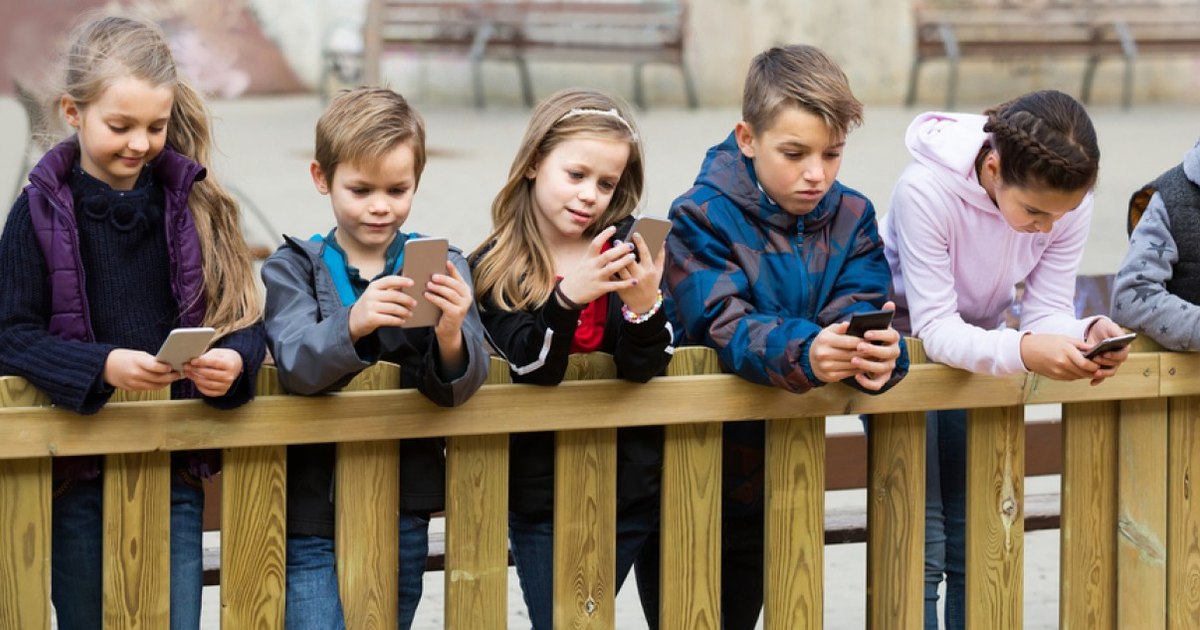
A recent study suggests that the prohibition of smartphones in schools has no positive impact on school behavior and performance. The research, conducted by the University of Birmingham, was published in The Lacet Regional Health – Europe.
Photo archive
The study analyzed 1,227 students from 30 secondary schools in England, comparing institutions with strict rules on the use of phones with those that allow access during breaks and during lunch. The results show that there are no significant differences between the two groups in terms of sleep, class behavior or physical activity. However, the researchers found that a longer time spent on social networks is associated with weaker school results, a more precarious mental state and a higher level of anxiety and depression.
Dr. Victoria Goodyear, the main author of the study, told the BBC that “Prohibition of phones is not a sufficient solution to combat the negative effects of their excessive use. We need to do more than to ban the phones in schools”.
Joe Ryrie, the director of the Free Childoom smartphone organization, told the Today at BBC Radio 4 that the results were “surprising”, because the teachers on their network reported benefits to introduce the phone ban in their schools. However, he stressed that the average time spent by students on phones – between four and six hours a day – is “worrying” and that stricter regulations are needed to make social media platforms and not create addiction to children.
In some schools, the measures to restrict the phones have been successfully encountered. At Ysgol AberConwy in Wales, students need to block their phones in magnetic bags during the hours, which has reduced aggression and conflicts between students. “People have become closer, because they speak face to face.”said Georgie, a 15 -year -old student.
On the other hand, some institutions believe that complete prohibition of phones is not achievable. Colin Crehan, the director of a school in Birmingham, claims that teachers have a “moral obligation” to teach students how to use phones responsibly. “The total restriction would bring us into a conflict that we cannot win”said the director for the BBC.
The problem of using smartphones in schools remains a controversial topic. In the UK, 96% of children between 12 and 15 years old have a mobile phone, and authorities are looking for solutions to manage their impact on mental education and health.
