
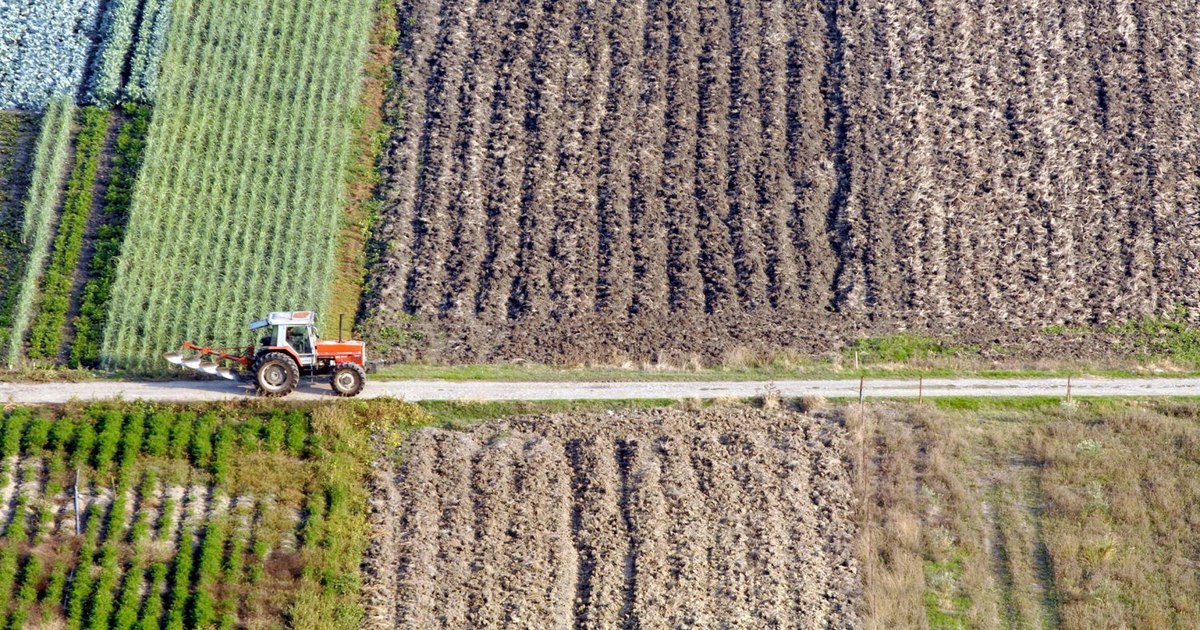
A new study shows that the use of pesticides causes devastating effects on biodiversity.
The use of pesticides is a major threat to photo biosphere photo x
Pesticides do not only affect the targeted pests, but also many other species of animals and plants, causing growth disorders, breeding problems and even behavioral changes, according to a large -published study.
Previous research has already shown that pesticides have a significant negative impact on biodiversity, aggravating the effects of deforestation and climate change, Medicalxpress reports.
Over 800 species affected by pesticides
A new study, published in Nature Communications, analyzed 1,700 scientific works to evaluate the global pesticide impact on ecosystems. Unlike previous research, which focused on certain habitats or species such as fish and bees, this study offers an extended perspective on the effects of 471 different types of pesticides used in agriculture, industry and households.
“It is often assumed that pesticides are toxic only for target and close organisms, but this is clearly false“, Declared Dave Goulson, co -author of the study and researcher at the University of Sussex.
The study shows that over 800 species on the ground and in the aquatic environment undergoes negative effects, including slow development, reproductive problems and difficulties in catching the prey or attracting partners. Finally, these effects can lead to the death of individuals and the decline of populations.
Dr. Ben Woodcock, from the UK Center for Ecology and Hydrology, described pesticides as “a necessary evil”, Claiming that without them, the global agricultural production and the livelihoods of the farmers would be severely affected.
However, the study suggests that the use of pesticides can be reduced by alternative methods, such as planting crops at different times or creating habitats for natural pest predators.
The sixth mass extinction event
The publication of the study comes before the UN negotiations on biodiversity, which will take place in February in Rome. The purpose of these discussions is to obtain the necessary financing to protect the species against deforestation, excessive exploitation, climate change and pollution.
An UN report from December has shown that non -useful overconsumption and agricultural practices supply global ecological crises, with one million species already in danger of extinction.
Antonis Myridakis, a researcher at Brunel University in London, who was not involved in the study, stressed that these results confirm that pesticides significantly contribute to biodiversity loss. “The analyzed data covers only a relatively small sample of affected species, which means that the real extent of the impact of pesticides could be even greater than the reported“He said.
Scientists warn that species loss reached a level comparable to 66 million years ago, when an asteroid led to the disappearance of dinosaurs. Human activities, including the use of pesticides, push the planet to what is considered to be the sixth mass extinction event.
