
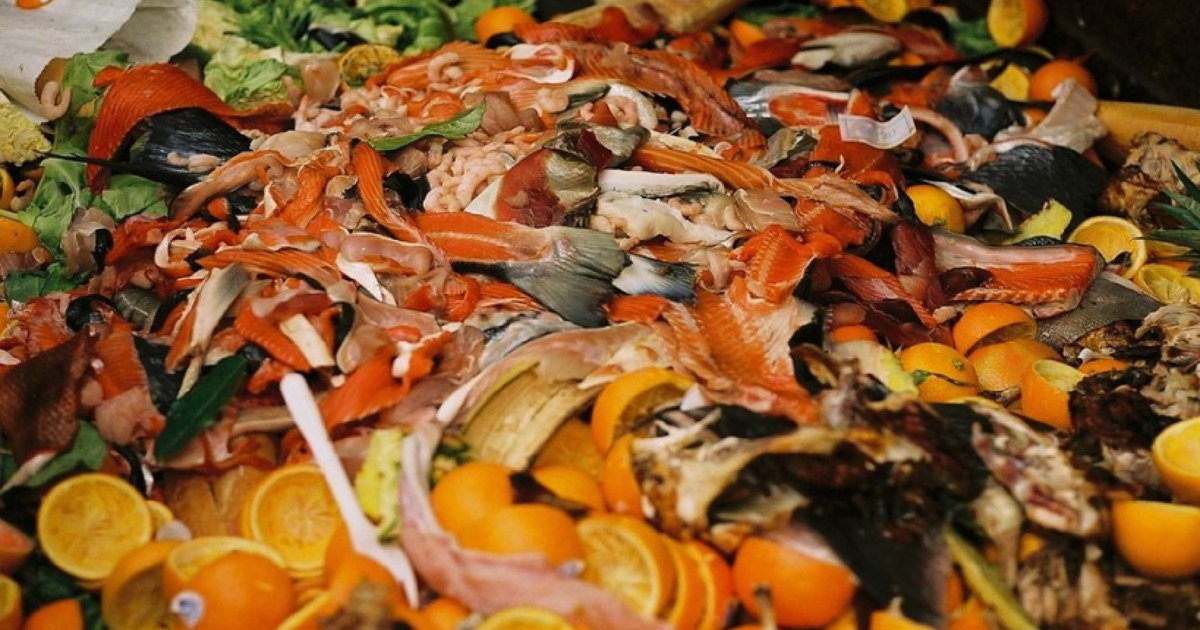
A study by Harvard University shows that young people in generation Z and Millennials throw food too early, before they are altered, sometimes even before the date on the packaging. They are based exclusively on validity labels, without using traditional methods of prospecting, such as smell or taste.
Generations Z and millennials throw most of the food before expiring photo Retograph
Research indicates that this practice applies to all types of tags, whether it is about “To be consumed preferably before”, “to consume until” or “Exposure to”.
According to Harvard researchers, the mention “To be consumed preferably before” It only indicates a possible decrease in product quality, not a risk for food safety. However, many consumers misinterpret these labels and throw perfectly safe foods, reports The Telegraph.
Experts are worried about the lack of knowledge about food safety among young generations and warns that modern lifestyle has led to losing essential skills, such as cooking or using food scraps. This trend, combined with the lack of direct contact with food production and modern consumption habits, contributes significantly to food waste.
Food education, cooking and responsible use of resources are essential solutions to reduce waste and adopt a more sustainable lifestyle.
Young people don’t trust their own senses when it comes to expired food
The study, conducted by Harvard Law School on a sample of over 2,000 people, found that the Z generation and millennials (Millennials) are most based on validity labels when they decide to throw food. In contrast, older people use their experience and traditional methods more frequently, such as smell test to check milk freshness, for example.
At the general level, 43% of the respondents said they always or usually throw food before the consumption deadline, a percentage percentage percentage compared to 2016.
Specialists believe that young people have lost their confidence in their own senses when they check if a food is still good for consumption. Instead of based on observation, smell or taste, they choose to strictly follow the indications on the packaging, which contributes to the increase of the diet.
“Expiration date is not law” – we throw the perfectly good food because of the labels
Prof. Emily Broad Lieb, the founder of the food law and policies at Harvard Law School, explains that a reason why young adults do not understand that the term “To be consumed preferably before” It is only indicative is the lack of direct contact with food production.
“I discovered that young consumers are most based on labels with Expiration data. They are the most prone to believe that all labels indicate food safety and throw the products as soon as the date has been exceeded ”said the teacher at the American Association for the Advancement of Science (AAAS) conference in Boston, Massachusetts.
In 2025, the Z generation is between 13 and 28 years old (those born between 1997 and 2012), and the millennials are between 29 and 44 (born between 1981 and 1996).
Validity labeling was introduced in the UK in 1970 when Marks & Spencer began to inscribe products from its term stores “To consume until”.
“Some people have begun to buy foods before valid data labels exist. The more we move away from the process of cultivation, harvesting or production of food, the more they are perceived as simple manufactured products. For this reason, fewer and fewer people know what to pay attention to to check if a food is still good for consumption ”, explains Prof. Emily Broad Lieb.
Smell and taste, traditional methods of verifying the freshness of food
The smell test is increasingly used by young people, warns experts in safe food.
Dr. Lara Ramdin, specialist in reducing food waste and researcher at UpcyCled Food Association, explains: “As people, we rely excessively on the labels with” to be consumed until “,” to be consumed preferably “and we forgot to use our own senses. I do not want to encourage anyone to consume uncertain foods, but I want people to look at food, smell it and taste it. If you have a canning of two, three or even four years, it is most likely to be sure for consumption, even if the taste is no longer as good. ”
“We forgot to cook and we do not know how to use the food scraps. This is how food waste is reached ””
Dr. Ramdin also emphasizes that young people have lost their ability to use food scraps and buy responsibly. An example is the British Bubble and Squeak traditional recipe, created precisely to transform the remaining ingredients into delicious meals, but now forgotten.
“We do not plan our meals anymore, we buy too much, we forgot to cook and we do not know how to use the food scraps. This is how the food is reached – people open the refrigerator and ask: “What do I do now?” “, says Dr. Ramdin.
Validity Terms: When it becomes a dangerous food for consumption
According to Food Standards Agency in the UK, foods with the highest risk of contamination include raw meat, poultry, fish and dairy products.
In Romania, food labels include either “To be consumed until”which indicates the safety of the food, either “To be consumed preferably before”which signals only a possible decrease in quality, but not a health risk.
According to specialist specialists:
1. Do not consume food after the date entered with “To be consumed until”even if the appearance and smell seem normal, because they can become dangerous to health.
2. Foods can be consumed by the end of the day mentioned on the label, but not after this date, unless they have been cooked or frozen.
3. After the date “To be consumed preferably before”the product can still be safe for consumption, but the taste, texture or nutritional value can be affected.
