

Paracetamol is a drug used to relieve headache, muscle pain or fever. This analgesic so banal, so known and so often used could influence human behavior.
Paracetamol could affect our behavior in crisis situations. Archive
It is the result of a study conducted by American specialists and who should put us in thoughts. The reason? Researchers at the Ohio State University have discovered a connection between paracetamol consumption and the tendency to take risks in certain situations. The study suggests that this medicine can change how people perceive and evaluate the risks, making them more likely to engage in risky behaviors, even when it is not a situation of pain or physical discomfort.
Paracetamol reduces fear and increases risk assuming
According to neurologist Baldwin Way, who led the study, Paracetamolul seems to reduce negative emotions, including fear, when people evaluate risky activities. “The respective people no longer feel the same fear of risks. This could be an important factor, given that about 25% of the US population takes acetaminophen”, Explains Way in the Science Alert specialized magazine.
The study showed that, while paracetamol helps to relieve pain, it can diminish the anxiety associated with making risky decisions, which can lead to a greater tendency to engage in behaviors that involve a risk, from financial bets to extremely dangerous physical activities.
The study, conducted by a video game
Within an experiment conducted with 500 students, the researchers tested the effects of a dose of 1,000 mg of paracetamol (maximum recommended dose for adults) on the behavior related to risks. The participants were asked to participate in a virtual game in which they had to swell a balloon on a computer screen. Each pumping adds virtual money to an account, but if the ball had broken, the players would have lost the gains.
The results showed that people who took paracetamol were much more willing to continue to swell the ball, even when the risk of breaking it became higher. Unlike this group, the participants who took placebo stopped earlier, being more cautious not to lose their earnings.
These results suggest that paracetamol could influence risk behaviors in subtle but significant ways.
Although the researchers point out that these effects could also be a result of reducing anxiety, rather than a diminished perception of risk, the potential impact of this medicine on everyday behavior cannot be ignored, given that it is the most used analgesic.
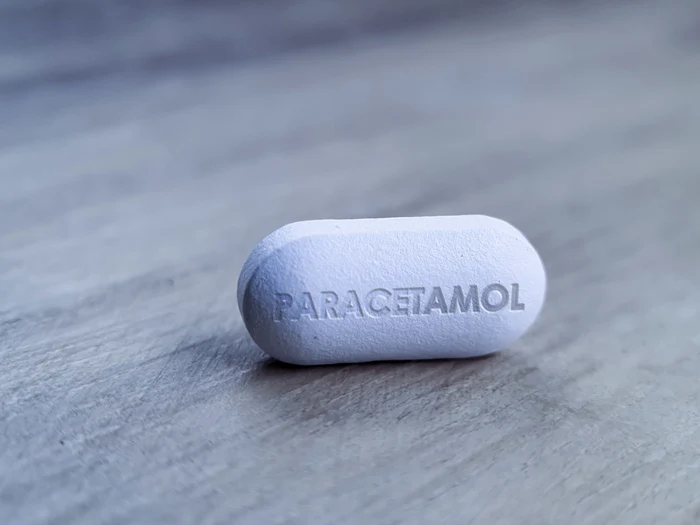
Paracetamol. Archive
Paracetamol, guilty of reducing empathy
In addition, research suggests that effects are not limited to reducing physical pain, but also extends to changes in psychological processes, including reducing empathy, reducing sensitivity to emotional suffering and even affecting the ability to make risky decisions.
Given that paracetamol is available in over 600 pharmaceuticals and is consumed by millions of people weekly, there are concerns about its long -term effects on social and individual behavior. For example, reducing risk perception can help increase risky behaviors, which can have a significant impact on public health and road safety.
These discoveries emphasize the need for further research to better understand how paracetamol can influence not only physical pain, but also our daily decisions.
