
The European Center for the Prevention and Control of Diseases draws an alarm signal: states risk not eliminating HIV, Tuberculosis (TB), hepatitis B and C until 2030 and sexually transmitted infections (ITS). According to a report published on April 23, Europeans are far from achieving the targets assumed in sustainable development objectives for 2030. Without urgent and coordinated measures, the remaining five years will be insufficient to overcome these epidemics.
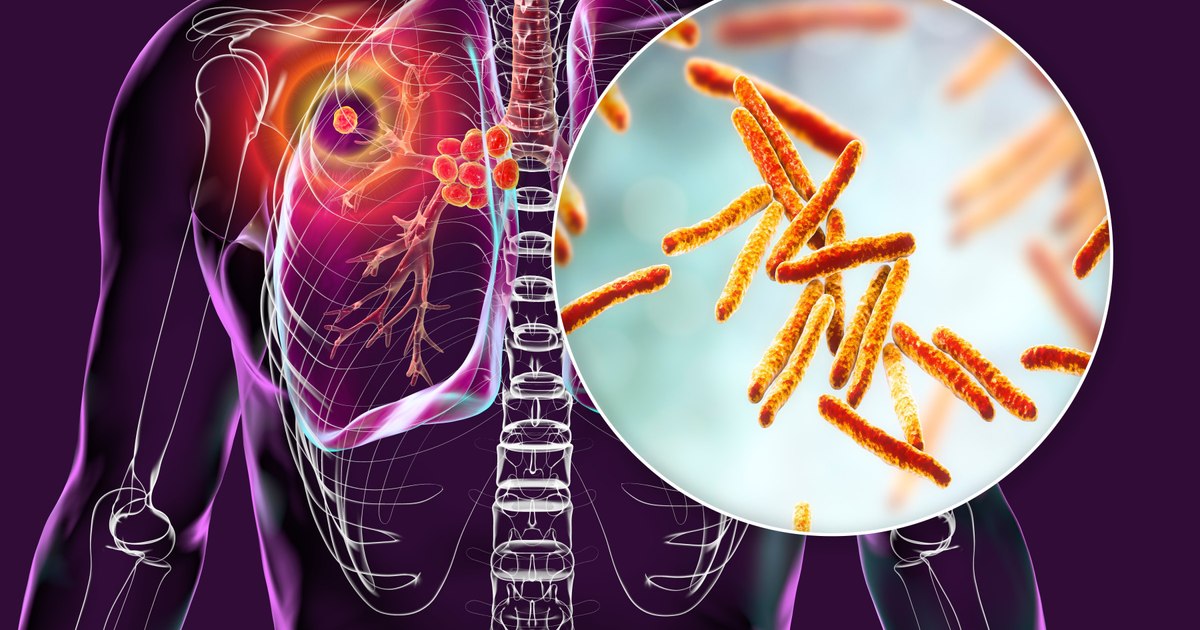
TBC. Photo shutterstock archive
Europeans aimed to reduce the new HIV infections and sexually transmitted diseases by 2030 by 2030 and to provide treatment for 95% of those diagnosed. For TB, the target is below 10 cases per 100,000 inhabitants, with universal access to treatment. Hepatitis B and C must record a decrease in mortality of 65% and provide antivirals for 80% of patients.
In theory sounds simple, in practice progress is expected, warns the European Center for disease prevention and control. This would look like the goals to combat these diseases with a high fatal incidence:
- HIV: 90% reduction of new infections and access to treatment for 95% of those diagnosed.
- TB: under 10 new cases per 100,000 inhabitants and guaranteed treatment for all cases.
- Hepatitis B and C: reducing mortality by 65% and access to antivirals for 80% of infected.
- ITS: 90% decrease in new cases of syphilis and gonorrhea and guarantee preventive test.
The current situation away from targets
- HIV & TBC: Mortality has decreased slightly but cases remain over the European Union targets, and TB resistant forms more and more serious problems.
- Hepatitis B and C: Deaths do not decrease, although together with HIV causes almost 57,000 deaths annually, of which over 85% are caused by hepatitis.
- ITS: Gonorrhea and syphilis have worrying increases, powered by poor sexual education and limited test services.
What follows?
- Expanding access to free testing and treatment for all vulnerable.
- Anti-stigmatization and sexual education campaigns continue in schools.
- Improving the data collection and unitary reporting at national level.
“T.Impul no longer wait“, Warns Dr. Andrea Ammon, ECDC director.”Each day matters if we want to reach the targets by 2030. ”
Romania between notable progress and challenges on prevention, testing and treatment
Romania has a national program for transmissible diseases, led by the Ministry of Health, which has made progress in recent years. The main purpose is to prevent illness, diagnose early and to provide effective treatments for all patients, regardless of the area in which they live. We find ideas such as: vaccination and screening in vulnerable communities, continuous monitoring and adjustment through a database created by the National Institute of Public Health. At the same time, the vaccine coverage in newborns for TB (BCG) exceeds 90%, and the initiation rate for hepatitis B in infants is over 85%. However, the regional disappearances persist: in counties with low medical access, the vaccine coverage decreases below 70%, and the diagnostic rate of ITS remains uneven.
Many family doctors say, however, that, after the Covid-19 pandemic, parents who refuse to vaccinate their children come, although hepatitis B and TB vaccination is mandatory.
Prevention in time of crisis
Dr. Adrian Marinescu from the “Matei Balș” Institute emphasizes that, although Romania has made notable progress by expanding test campaigns and equipping hospitals with modern treatments, the Ukraine war and poor social conditions have accelerated the spread of infectious diseases in Eastern Europe.
“In conflict conditions, diseases spread faster. Prevention – Testing, education and easy access campaigns – must be intensified”, Warns Dr. Marinescu.
The doctor adds that the situation is as serious for hepatitis B and C, insisting on the importance of immediate consultation when any symptom and regular testing of patients who are part of the risk groups. “Life expectancy decreases as the affection is discovered later,“He emphasizes.
However, the doctor Adrian Marinescu says that in Romania the situation is no more worrying than in other states and even progress has been made, such as the active and passive detection of tuberculosis cases.
Patients with untreated hepatitis determine the annual growth of newly infected persons ”
Marinela Debu, Apah-Ro president, stresses that each identified patient must benefit from immediate and unrestrained treatment, regardless of the stage of the disease or the available financial resources. It warns that the delay in access to therapy and the lack of regular test favors the spread of infections and aggravates the prognosis of patients. “A.How is the time to bring to the forefront the importance of vaccination against hepatitis B and C, periodic testing among vulnerable groups and promoting a healthy lifestyle-balanced nutrition, regular physical activity and avoiding alcohol consumption.“Explains Debu. It draws attention that it is necessary to continue the well -directed information and firm public policies. Marinela Debu believes that the perception and behavior of the population can be transformed on these critical diseases.
Time does not wait
Even though Europe registered a 35% reduction in new HIV infections compared to the 2010 level and a similar 35% decrease in the 2015 tuberculosis incidence, the current pace is insufficient for the intermediate targets of 2025 and, even less, for the 2030 goals. At the same time, the nearly 57,000 annual deaths in the European Union, of which over 85% are caused by viral hepatitis, and the constant increase of syphilis and gonorrhea cases – at the last 15 years – shows that progress is not uniform and testing and treatment remain unsatisfactory.
The European Disease Prevention Center recommends for Member States:
- Expanding integrated test (HIV, TB, hepatitis, ITS) in community environments and family clinics;
- Improving the connection with care and support services for the adhesion to treatment;
- Strengthening the quality of surveillance and monitoring data, including for the most affected groups
Only in this way can we transform the alarming figures into a real success story, reducing mortality and satisfying the commitments made for 2030. Time no longer expect, say European specialists.
