
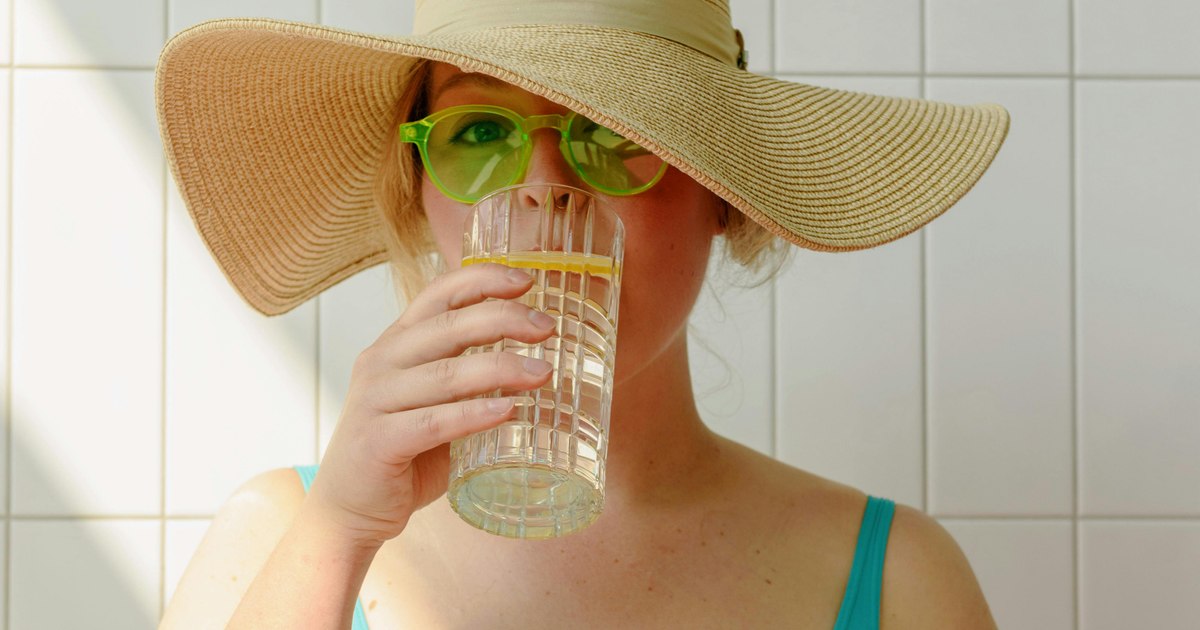
In summer, oral health can be affected more than you think, the enemies being found where you do not expect. Dehydration reduces saliva production, increasing the risk of cavities, and chlorine in swimming can erode teeth enamel, leaving them vulnerable.
The lack of hydration affects the whole body. Photo: Pexels
June is, symbolically, the month in which we celebrate childhood and everything it has more precious: joy, game and smile. But a healthy smile is the result of education, prevention and constant access to quality medical care. The College of Dental Doctors in Romania (CMSR) emphasizes, on this occasion, the urgent need to integrate oral health into public policies for children and young people, as well as the importance of rigorous hygiene even during holiday periods. According to the national study on the oral health of Romanians performed by CMSR, although 84% of parents say that the oral health of their children is a priority, almost half (48%) states that it is difficult to bear the costs related to dental treatments. This gap between intention and possibility is not only an alarm signal, but a reality with direct effects on the next generation.
In an interview with “Weekend Adevărul”, Luminița Oancea, primary dentistry and dental dentistry, university lecturer at the Faculty of Dentistry “Carol Davila” and vice-president of the College of Dental Doctors in Romania, talks about how our teeth are affected during the hot period and what are the rules that we should have to follow.
“Weekend Adevărul”: Is the oral hygiene routine change during holidays? What are the consequences?
Dr. Luminița Oancea: The leave brings with it a relaxation of the routine, and oral hygiene is no exception. Haming the brushing, irregular tables or frequent consumption of suits and acidified drinks can lead to the accumulation of bacterial plaque, unpleasant breathing and increased risk of cavities or gingivitis. Healthy habits should be kept including on vacation. The dental brush and the buccal shower must be mandatory accessories in the travel kit.
Control before the leave
What should an oral holiday hygiene kit – both for children and adults contain?
A complete kit should contain a brush, toothpaste, dental floss or portable buccal shower, mouth water and, for children, playful elements such as timed or interactive applications. Travel format is recommended for transport. For adults bearers of dental prostheses: effervescent pills for cleaning the prostheses should be added in the kit, and for those of orthodontic apparatus or fixed prosthetic works on teeth and implants I recommend interdental brushes, in the absence of the buccal shower.
How can we maintain dental hygiene if we are in the camp, in nature or on an off-bridal vacation?
Even in the absence of ideal conditions, hygiene can be maintained: a bottle of water, a brush and toothpaste are sufficient. Special dental towels can also be used. It is important not to neglect the evening brushing. It is to be avoided to use food or bicarbonate instead of the toothpaste – the abrasion caused by them on the surface of the enamel creates irregular surfaces that the bacterial plaque adheres.
Do you recommend dental control before holiday? What are the problems that should not be left in the fall?
Yes, an assessment to the dentist is essential before the holiday. Minor dental problems – incipient caries, unstable works or dental sensitivity – can turn into unpleasant emergencies away from home.
Interactive dental education
What do we do if a dental emergency appears on vacation (a common condition), in a place where we do not have quick access to the dentist?
In the case of dental pain, it is recommended to apply a cold compress, rinse the mouth with warm water with salt and avoid self -medication. Extended inflammation at the level of the face requires emergency movement to the nearest cabinet. In the case of a permanent tooth, it should be kept in physiological serum and re -impaired by the dentist.
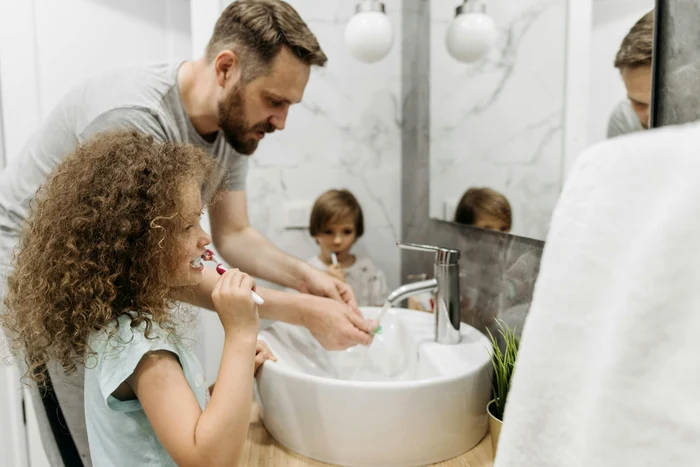
Dental education is done by example. Photo: Pexels
What can parents do with the problems of changing teeth in children in such a situation?
For temporary teeth, accidental loss does not require re -implantation, but immediately after the leave is needed a visit to a dental office, where the doctor appreciates if his loss is according to the natural replacement scheme. Otherwise, it is necessary to apply a space to keep the space so that the permanent tooth erupts in an optimal position. If the loss is a permanent tooth, emergency dental consultation is required.
Technology, an ally
In camps or trips, children are allowed to do themselves. How can we learn his responsibility in dental hygiene, without direct control?
The responsibility is cultivated from home, by consistency and the personal example of the parents. An ordinary child to wash himself and correctly on the teeth will continue the routine and in the absence of parents. Tools such as applications, stickers or timing can help. It is also very important to explain the meaning behind the action and its implications – not only the imposition of the mechanical gesture. Children get better when I understand why.
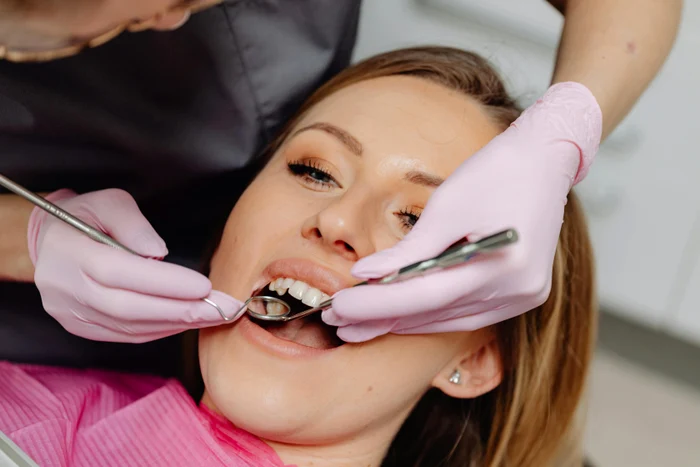
Prior to leave, a dental consultation is recommended. Photo: Pexels
Technology can be an ally: applications, smart brushes, etc. Which one really works, especially during holidays?
Playful children’s applications and pressure sensor or timer brushes can make a difference in maintaining a correct hygiene. It is important that technology is adapted to age and not replace surveillance.
Dental enamel, in danger
What are the most common dental problems in the hot season?
In the context of the hot season, dehydration and supplementation of breathing orally, especially in effort, make the mucosa of the oral cavity dry and self -cleaning, which normally the salivary flow does, to be deficient. Thus, the pre -existing periodontal problems are aggravated and cavities appear especially interdentary (aggravated by the consumption of sugars). They also increase in frequency and dental trauma with outdoor recreational activities or contact sports.
Holiday snacks – cocktails, juices, ice cream, sweets – but also fruits are a pleasure. What effects do they have on the tooth and how we can protect ourselves, but still do not give up?
Foods and acids rich in sugar can affect dental enamel and therefore must be consumed in moderation, ideally during meals. It is recommended to rinse the mouth with water and brush in the evening, not immediately after consuming acids. Fruits rich in fiber – apples, pears, peaches – are of great help for both the nutritional intake brought to the body and for removing the residues of the bacterial plaque from the dental surfaces, preventing the tartar deposit, so I recommend that you consume them as an adjuvant of brushing.
Hydration, word of order
Prolonged exposure to the sun, dehydration, swimming in chlorinated swimming pools do they have any effect on oral health?
Dehydration reduces saliva production, increasing the risk of cavities. Chlorine in the water can affect the enamel or irritate the mucosa. Constant hydration and rigorous hygiene are recommended, even on vacation.
Are there less known but real risks?
Lack of water intake, excessive consumption of carbonated drinks and errors in oral hygiene after exposure to acids or chlorine can cause silent but serious problems.
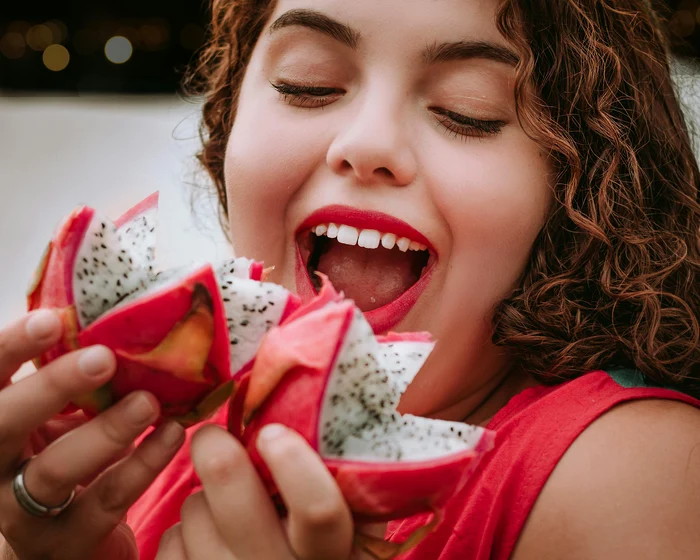
Excessive fruit consumption can harm teeth. Photo: Pexels
Detox, smoothies, summer diets: How do these teeth affect and what should we know before we follow them?
Frequently consumed smoothies and acid drinks can cause dental erosions. It is advisable to alternate with water and avoid brushing immediately after consumption.
Are there “popular diets”, which are followed especially before the holidays, which harm the dental enamel?
Hyperacid diets, lemon or vinegar detoxification regimes cause enamel erosions and gingival retractions. Very restrictive diets can affect the balance of the salivary pH and by decreasing the nutrient intake, implicitly oral health.
What would be three simple and efficient messages to transmit in a dental education campaign for the holidays?
Oral health is an essential part of general health. And good habits should not go on vacation. The College of Dental Doctors in Romania urges parents to turn care for oral hygiene into a daily reflex, both for themselves and for their children-at home, in the camp or at the sea. Because today’s smiles are the health of tomorrow.
• Smiles with confidence – the hygiene does not take a break.
• Take your brush with you wherever you go.
• The holiday passes, but the smile and the good habits remain.
