
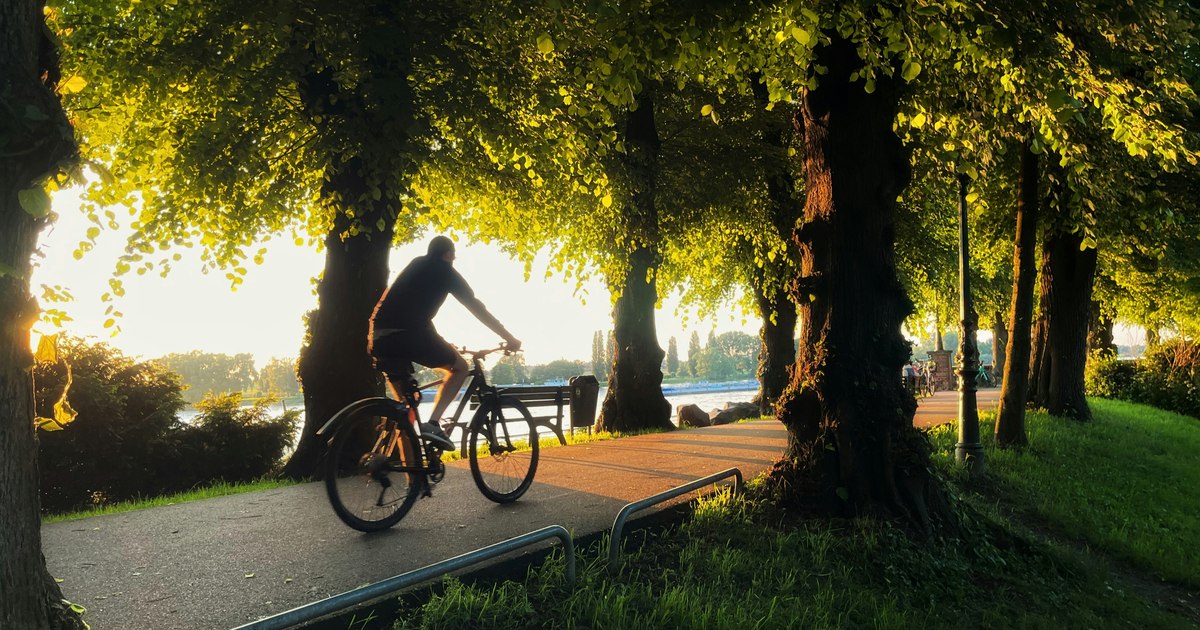
In Romania, the bicycle remains a paradoxical form of freedom: as simple, as revealing. Not only a means of transport, but also a way to find the slow pace of the village, the connection with nature, with the details. Around Bucharest, where urban agitation feels to the bones in summer, cyclotourism becomes a healthy – physical, but mentally. The one -day routes offer not only escape, but also a form of dialogue with the rural space, with history, with ourselves.
Around Bucharest there are several oases of tranquility that can be reached by bicycle. Unssplash
Snagov Forest. Legend, lake and tranquility
When the summer air becomes difficult in Bucharest, and the asphalt pulsates under the wheels of cars, the north direction seems like a natural choice. About 40 kilometers from the city, Snagov still breathes through his oak forest and the lake that inspired numerous legends. The preferred route of cyclists starts from the edge of the Pipera neighborhood and follows a route passing through Tunari, Dimieni, Caculas de Sus and descends smoothly to Snagov Sat, a road of about 30 kilometers, paved, but with low traffic portions. On the side of the road, the corn chains alternate with scrape orchards, and in the morning, the smell of mowed hay and barking of the yard dogs are signs of a still active rural world.
Snagov Lake is left only towards the end of the road, an azure stain bordered by meadows. The ideal stop is at the Snagov Monastery, which dates from the fifteenth century, a place that seems detached from a medieval novel, raised on an island accessible by a bridge suspended over the waters. Legend has it that Vlad Țepeș would have been embalmed here, and the atmosphere, even in full season, remains serious, almost monastic. The entrance is 10 lei, and for photography enthusiasts, the afternoon light makes the place look like a story.
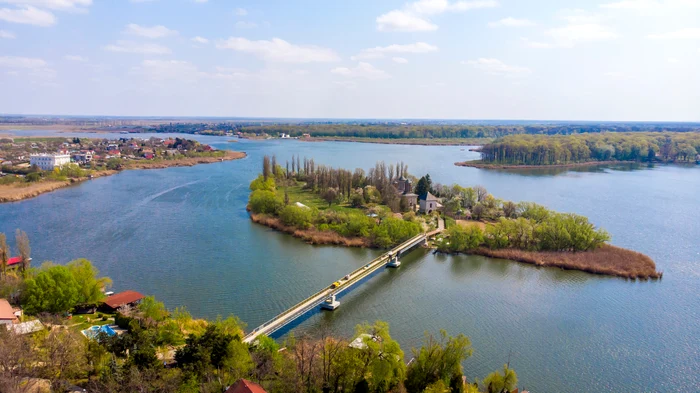
Deck over nature. Photo: Shutterstock
For those who want to stay overnight, Snagov offers various accommodation options, from flirting pensions framed by lush vegetation (200-300 lei/night) to private villas or exclusive glamps. Local gastronomy is focused on the fish: a portion of fried carp with muffins can cost 40-50 lei, and the fish bursa is not to be unrelated. Those who prefer picnics can find in the forest shady places where only birds and crickets are heard. The costs of a shift in Snagov are accessible: for a day exit, the expenses can remain under 100 lei if you come with their own bicycle. Alternatively, there is also the variant of train transport to Snagov Beach (under 10 lei) and the continuation on two wheels.
Tips & Tricks: The road is the most enjoyable in the early morning, loaded with dew and tranquility. Avoid Sundays in the second part of the day, when the area is filled with ATVs and people with barbecues. Instead, a lazy lunch in the shade of a acacia, with a bicycle supported by a tree trunk, can restore a kind of inner balance forgotten for too long. Beyond sports or relaxation, pedaling to Snagov is a way to find an almost forgotten Romania, which still exists – but only for those willing to go slowly.
Delta Neajlovului. Comana, a different escape
There is a perfect time of tranquility, when you pedal early in the morning through the Neajlov meadow, and the only noise is the chain clarity. Comana, this discreet “delta” of the South, becomes an indescribable refuge in short words. Only 35 km from Bucharest, the cycling route to Comana Eo combination of land enveloped by liquid light, dry hay, lazy channels and wooden bridges that creak under wheels.
You can leave Berceni, and the classic route passes through Jilava, December 1, Vidra, then Prundu. Some portions are paved, others are field roads, especially at the entrance to the protected area. It is not a route for race, but for Mountain Bike, preferably with good suspensions. Nature rewards the effort: the area was classified by successive normative acts both as Natura 2000, as well as as a wet area of international importance, respectively Ramsar site, with over 140 species of birds, from the gray to the Lișite.
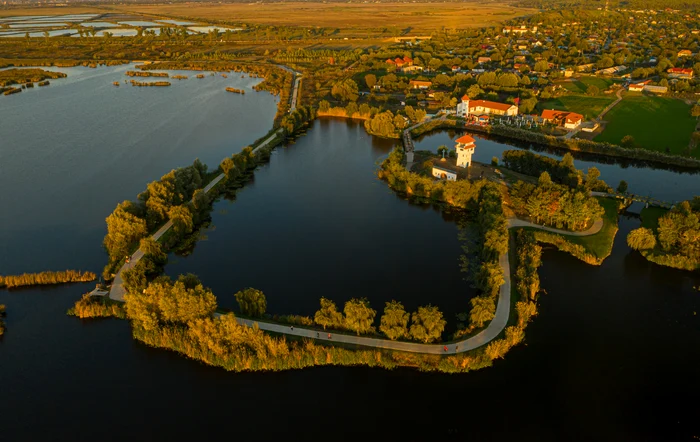
The wonderful Delta of Neajlov, who hosts a rich ecosystem. Photo: Shutterstock
The Comana Monastery, located right on the edge of the natural park, is a historical jewel. Fitted by Vlad Țepeș in 1461, it was restored in the following centuries in neobincovenesc style, with stone porches and sober frescoes. The entrance is free, and the visit can be transformed into a true history lesson on a chirping background. Also in Comana, Gellu Naum, one of the most important poets of the Romanian avant-garde, have been living in his modest corner of the village of a deep and strange world. The memorial house, discreet and rarely open to the general public, is today a place of cultural pilgrimage. The costs for a pedaling day at Comana are modest: a lunch at one of the pensions on the lake reaches 50-60 lei per person, the accommodation starts from 150 lei, and the local cafes offer authentic and dense shadow. Essential recommendation: insect repellent, especially in the evening. In hot summer days, the temperature is less felt due to the lush vegetation.
Tips & Tricks: To avoid the route after heavy rains – some segments become difficult to access, and the vegetation makes it difficult for the advancement. But, on a dry day, pedaling through Comana becomes a form of moving meditation, accompanied by trills and smell of wild peppermint. For the hurried Bucharest is the rare chance to see what the real tranquility means, the one that comes naturally, with the constant rhythm of the pedal.
Buftea and Mogoșoaia. Provincial nobility and slow urban rhythm
On the outskirts of Bucharest, where the neighborhoods melt in the fields, a summer route begins with vintage perfume. Leaving the Pajura or Chitila area, the route to Mogoșoaia and further to Buftea follows asphalted roads, with reduced traffic early, at the end of the week. The pedaling is light, and the stop points, from those that combine history with aesthetics.
The Mogoșoaia Palace is the first visual anchor. Raised by Constantin Brâncoveanu at the beginning of the eighteenth century, he has carefully cared for gardens, lime alleys and a splendid view to the lake. The entrance costs 10 lei, and the Brancovan Art Museum from the inside adds to the stop. Sundays, the lawn is filled with families and picnics, but during the week, the place has a royal serenity.
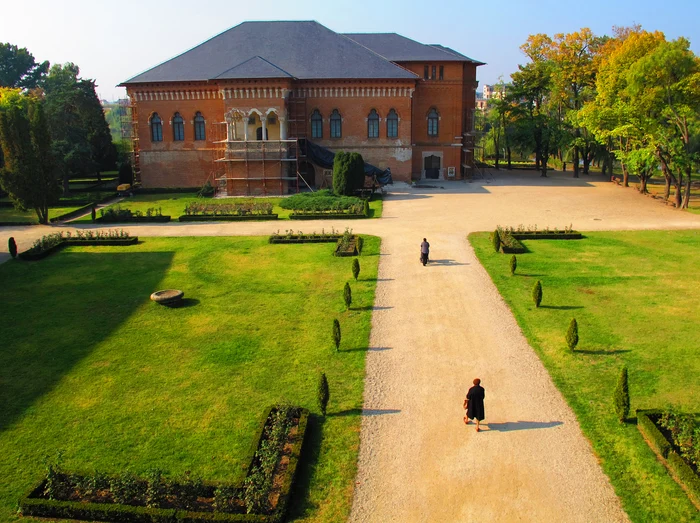
The Mogoșoaia Palace and its quiet garden. Photo: Shutterstock
Continuing the route to Buftea brings a change of rhythm: wide fields, isolated boxes, then modern villas. The Ştirbey Palace, with its romantic towers and large gardens, is another focus of aesthetic value. Although access is sometimes restricted by private events, the green perimeter remains welcoming. On Lake Buftea, summer brings paddleboarding, boat rides and terraces with Balkan specificity. A lunch at a local terrace does not exceed 50 lei, and for those who want to turn the exit into a discreet city break, there are accommodation options that vary between 200 and 250 lei/night. To avoid the hours of returning to the city Sunday evening, when the roads become overcrowded.
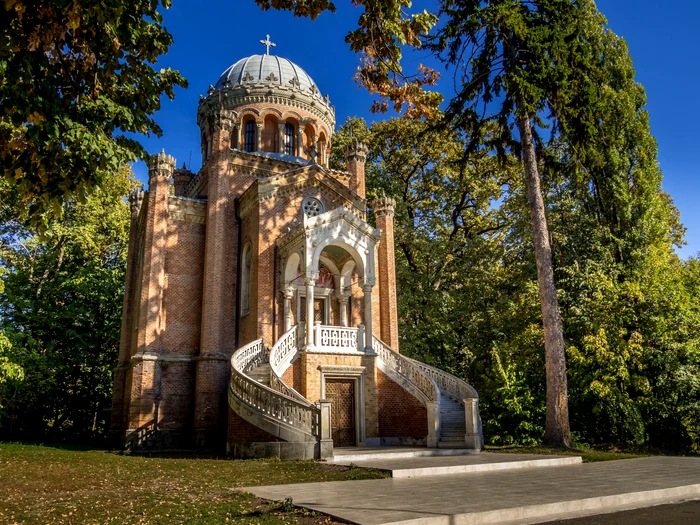
The Church of the Domains of Ştirbei from Buftea. Photo: Shutterstock
This urban-rural loop offers, in essence, a balance exercise: relaxed pedaling, historical stops, coffee on the edge of the water. For the refined public, Mogoșoaia and Buftea can become a summer, repeatable, elegant, almost ritual. And beyond the objective beauty of the places, the route leaves a rare sensation: that you are on vacation, even for a few hours, a few kilometers from home.
