
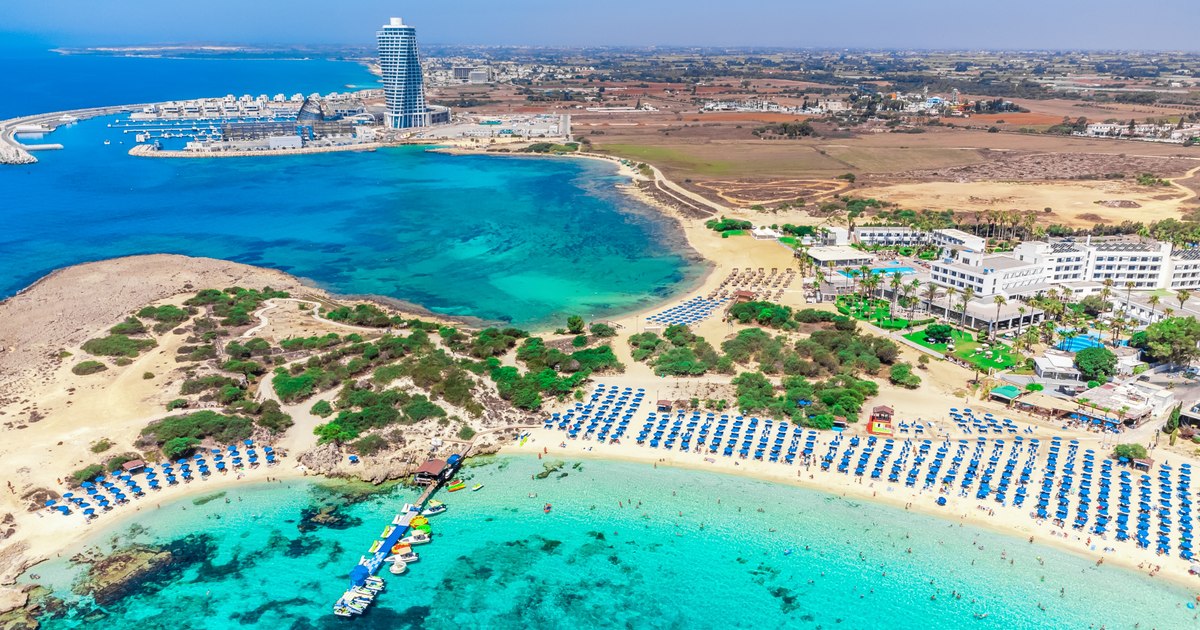
Cyprus, one of the most popular holiday destinations, is going through a difficult season after fears of conflict in the Middle East scared away tourists. Although the island has not been directly affected by the war, hoteliers and business owners say the number of visitors could be down by at least 30 percent compared to last year.
In 2025, Cyprus recorded a record of around 4.5 million tourists. This year, however, the atmosphere is completely different, and the resorts that used to be full are now much quieter, notes The Telegraph.
“Bookings have started to pick up since April, but are still below the level we would have liked for this season,” said Thanos Michaelides, president of the Cyprus Hoteliers Association, in an interview in Paphos.
According to him, the problems started after the March 1 incident, when a drone associated with the Hezbollah group arrived near the island and brought Cyprus to the attention of the international media. Even though the situation did not escalate and there were no other major incidents, many tourists canceled their vacations for fear that the region could become unsafe.
In Paphos, one of the island’s main tourist towns, the effects are everywhere. Restaurants and terraces are emptier than usual, and employees are desperately trying to attract customers.
“I think bookings are down about 50%,” says Tom Antoniou, who organizes pleasure cruises in the port of Paphos. In addition, local businesses are also facing rising fuel and food costs.
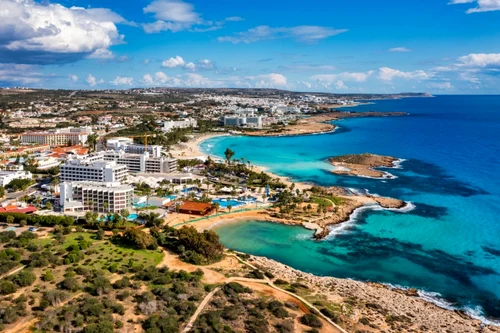
For tourists who still chose to spend their holidays in Cyprus, the situation also has its advantages: the beaches are less crowded, the sunbeds are easy to find, and the luxurious hotels seem almost private.
However, the locals are irritated by the negative image created around the island.
“Cyprus is safer than London at the moment”, said a bartender in Paphos, accusing the international media of needlessly fanning fears.
Many tourists say that it is not the war itself that scares them, but the possibility of transportation problems and flight cancellations. In March, Paphos airport was temporarily closed, fueling concerns about possible gridlock.
Paul and Jo Moss, a couple from Bolton, UK, said they considered canceling their holiday after news of the drone attack broke. However, they abandoned the idea after learning that they would have lost half of the money paid.
“Our son is getting married next month and we needed to be sure we could get home without any problems.” said Jo Moss.
Cypriot authorities are trying to send a calm message and hope that the tourist season will recover by the end of summer. Until then, however, last year’s records seem unattainable.
