
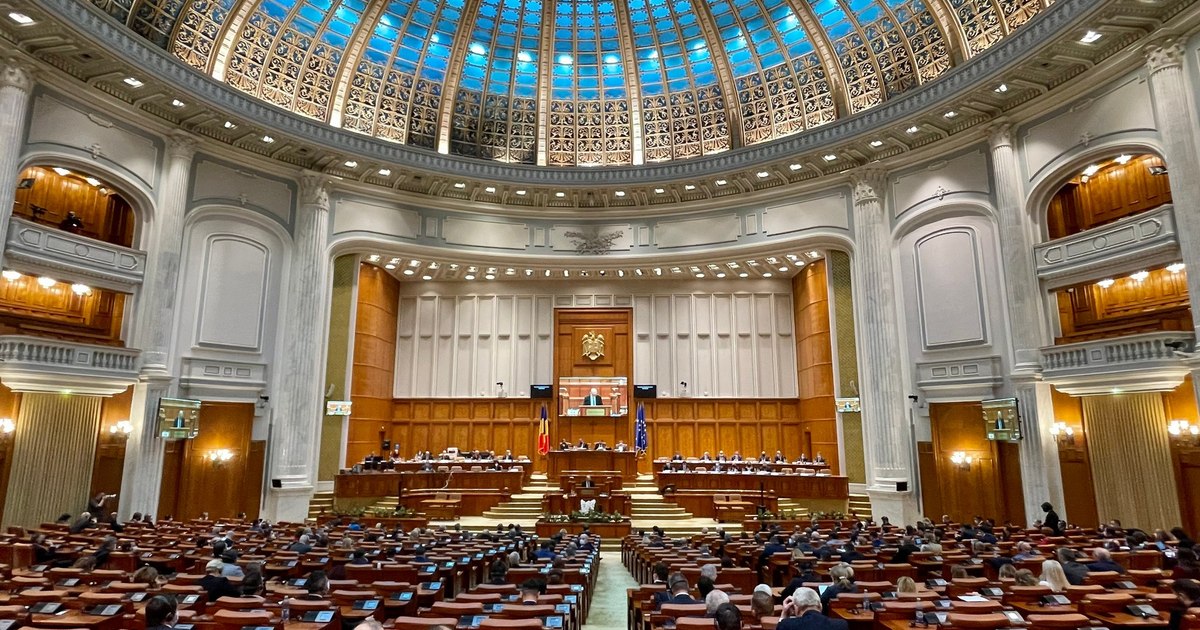
While the Romanian Parliament has entered the holiday, several major impact drafts on the budget remain blocked in the commissions drawers. Among them, the elimination of special pensions for local elected officials, capping budgetary salaries or reducing excessive ASF income.
Many major impact bills on the budget remain blocked / Photo source: CPUL.ro Facebook
Deputies and senators entered the summer vacation, but left behind a long list of legislative arrears, according to TVRINFO.ro, which could have had a major impact on social equity and state budget sustainability.
Special pensions for former mayors, vice -mayors, presidents and vice -presidents of county councils
One of the most controversial forgotten projects is the elimination of special pensions for local elected officials. According to a provision of the Administrative Code, the former mayors, vice -mayors, presidents and vice -presidents of the county councils can receive special pensions. The government is still propagating the application of the provision since 2019, but the Parliament has not taken a concrete step to eliminate it permanently. There are promises, no facts.
Reducing allowances for ASF leadership
Another project buried in the commissions concerns the huge income of the ASF management, the authority that regulates the insurance market. The current law allows the president, first vice-president and ASF vice-presidents to receive two types of allowances: one for the executive function and another just because they are members of the Council. The project proposed by the USR aims to cut the second allowance, but it was ignored.
Cleaning of the salaries of the budgets at the level of the President of Romania
Neither the initiative to play the salaries of the budgets at the level of the President of Romania was more lucky. The law, which would reduce the huge discrepancies between civil servants, passed by the Senate, but was stuck in the Chamber of Deputies.
All these projects are important not only for balancing public spending, but also for reconstructing trust in state institutions, at a time when austerity knocks on the door, and citizens bear the economic burden.
Despite the promises of political leaders that the discussions will resume, the recently concluded parliamentary session shows their lack of action. Other important initiatives left on hold are and The project to reduce the number of parliamentarians to 300, expected for over a decade.
