
Although the National Health Insurance House (CNAS) reported over 110 million lei last year for medical services, thousands of Romanians have to pay out of pocket for investigations that should be free.
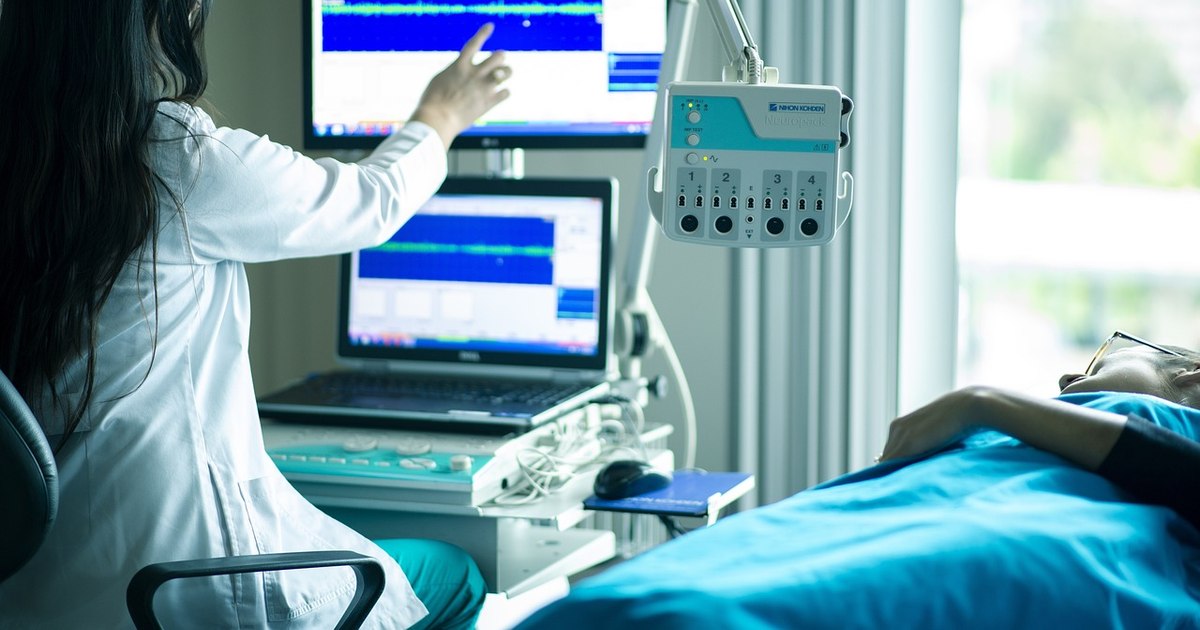
Romanians pay for medical services, settled by CNAS photo pixabay
The reason? A fragmented programming system, the lack of a unitary computer platform and a bad fund management, accuse patients and doctors.
Unparalleled funds, inaccessible analyzes
The president of CNAS, Horațiu Moldovan, admitted that the current system is dysfunctional:
“If you can imagine, at the end of last year we had over 110 million lei on the laboratory, on medical and imaging analyzes, precisely for these reasons, because each supplier has its own programming system and there is no nationalized system at national level.”
Moldovan promised a unique national program of programming, which would be functional “At the beginning of next year”with a first module launched in the fourth quarter of 2025. The new platform would cover including laboratories, imaging, family doctors and outpatients.
Patient, between waiting lists and direct payments
For many Romanians, the story begins with a medical reference and ends with a private payment, due to the lack of places available in the public system.
“Patients cannot do many things, that they cannot know”said Vasile Barbu, president of the National Association for Patient Protection, exclusively for Adevărul.
“Basically, now it changes that the settlement at the Insurance House will be done on the result. We have cost-resulted or cost-effectiveness. If the medical analysis has no efficiency in establishing the diagnosis, then it is not settled, but imputed to the supplier. Previously, in a patient they were done, to say, seven, eight, ten medical analyzes to specify the diagnosis. Much, an MRI.he claims.
The situation is all the more problematic in the case of high performance investigations, which are difficult to access, but essential for the early diagnosis of serious diseases:
“Depending on the pathology, high performance analyzes are very difficult to obtain. It remains to be seen what we do with them, because they are high performance analyzes that are the only ones that can specify the diagnosis. There are analyzes that specify the diagnosis in a timely manner, because the untreated disease can be complicated. There are essential analyzes that need to be done for a certain pathology and we find them in medical protocols. We must see the medical protocol, professional deontology, list of analysis, diagnosis and treatment. Now we discuss and see how we make a case management, the patient, so that he is no longer walking around. Once you started to make them Investigations, you have to get the result. You don’t start doing investigations and leaving the patient on the roads“Barbu continued, being asked about the most difficult types of services for patients.
A system in which the patient remains “with analyzes in arms”
The lack of integrated management of the medical case leads to a loss of resources – both financial and human.
“There are a lot of analyzes – with the chariot – and the patients do not benefit from the diagnosis. No one takes care, walks from one doctor to another, remain with analyzes in their arms,” adds the ANPP president.
Barbu claims that his association has proposed CNAS to introduce a clinical audit to correlate the investigations made with the medical results.
“I asked the setting up of the clinical audit along with the audit as a result. (…)
I saw that
or
introduced in the order of ordinance some of our proposals“he explains.
Family doctor: “Patients ask for references everywhere/ lose programming due to lack of punctuality”
Sandra Alexiu, a family doctor and former vice -president of the National Family Medicine Society, confirms the difficulties of access for patients:
“With the analyzes, indeed, it is a problem, it must be caught at the beginning of the month that it does not reach the ceiling. For other consultations it is possible for the patient to wait a few months. For imaging, also a few months, because the ceiling is small. The financing is weak.”
However, Alexiu also draws attention to the responsibility of patients:
“Patients also pay because they do not appear on time for programming. This is the rule: do not present yourself for programming and you want extra and fast, pay the difference. There are few doctors, many patients and wishers of all kinds, ask for references everywhere and do not take programming.
I catch anyway faster than other countries where they reach a difference. They go to the private environment and when they lose programming due to non -activity and then they pay, this is what patients tell me. ”
Proposed solutions: clinical audit, waiting lists on pathology, penalties for abuse
Barbu insists on systemic measures, including penalties for patients who abandon the prescribed treatments and for suppliers who abuse settlements.
“Now we discuss and see how we make a case management, the patient, so that he is no longer walking around. Once you started doing Investigations, you have to get the result. Do not start doing investigations and leaving the patient on the roads. There are also patients who neglect the diagnosis, no longer go to do treatments, no longer accept the prescription of therapies. Those should be, somehow penalize“he thinks.
The proposal of a platform that allows patients access to programming for the settlement services would have come from the National Association for Patient Protection, according to the president:
“It is not a proposal for now, for 15 years we propose. Now let’s hope, that they have promised us many. The programming must be made according to the disease code, based on the need to investigate and there must be a waiting list in both the diagnosis and the treatment.”
Currently, the order is either “the first, first served” and, according to Vasile Barbu, there is also a criterion for monitoring patients who have imposed with Covid monitoring – seven other pathologies have been introduced.
“Of course, that’s why the big companies of medical analyzes and diagnosis took advantage, the ceiling established and CNAS was no longer taken into account. They simply prescribed, they settled, no one made any control, no orders. Now I came with the request, based on some investigations it can be checked even 5 years ago. As the medical leave have been and started
to give sanctions to those who abusedso can I do with such situations. They remained in the database ”says the specialist.
The ANAP president is alarming about those patients who should have priority for programming.
“There are pathologies that you can put on the waiting list, some orthopedic to say, I mean those who need hip prosthesis for example or cardiac prostheses. In the fuel of the stage of the disease, but also the complications that may occur. Also based on the medical protocols to establish an order of accessibility – not on the principle of the first coming, the first served. There will be such situations, but we must keep in mind that some of the pathologies, often, is not waiting. Examples would be neurological, cardiac, liver, pulmonary diseases, some of the digestive diseases, infectious diseases. There is a need for early approach“he concludes.
How accessible will the new national programming platform be
CNAS promises digitalization, but doctors and patients remain skeptical.
“It is an extremely useful and interesting perspective, but until being put into practice I allow me to remain skeptical.”says Sandra Alexiu, for the truth.
“We already have a computer system, from 2005, which goes wrong from the beginning. Now it goes even worse,” she continued.
Digital access issues are real in Romania, where a large part of the population lives in the rural area:
“Half of patients are in the rural area, where not even the internet is so good. There are patients who do not have access to the Internet or do not know how to technically work.
Theoretically, we have to digitize ourselves, I believe in this, but it must be careful to have accessibility for everyone and not just at the declarative level“,
points out the doctor.
Conclusion: We have money, but we don’t have access to
The current situation reveals a major dissonance in the Romanian health system: although there are funds, patients fail to benefit from them. The lack of functional digital infrastructure, unequal financing and lack of coordination between suppliers transforms the right to health into a privilege that few can access.
Until CNAS promises will not become a reality, patients will continue to pay out of pocket for services that, theoretically, are guaranteed.
