
The stroke can occur suddenly and quickly changes a person’s condition. Often, those around you notice the former that something is wrong. If you know how to recognize unusual signs, you can save someone’s life or support recovery easier.
In this guide, you will find clear information on how you can see the signs of a stroke, what stages to follow and why it is so important to react quickly.
Often, people do not take seriously symptoms in time. You have the opportunity to find out what needs to be followed, the correct action steps and when to seek medical help. Whether you are at work, at home or on the street, it is important to be able to intervene in the first moments.
Types of stroke: ischemic and hemorrhagic
A stroke occurs when the blood flow to an area of the brain stops, either because of a clot (ischemic stroke) or after breaking a blood vessel (hemorrhagic stroke). In most cases (about 80%), ischemic stroke represents the cause and develops rapidly.
This assumes that an artery that irrigates the brain to get stuck. The hemorrhagic stroke involves bleeding in brain tissues, increasing pressure on the brain. Another episode you should not ignore is transient ischemic attack (AIT), which produces stroke-like symptoms, but they disappear within minutes or hours. Even an AIT requires contact with your doctor, because it can predict a stroke in the next period.
Risk factors and frequent causes
Several factors increase the probability of a stroke. High blood pressure remains the most important factor, because it affects the walls of blood vessels. Smoking and frequent consumption of alcohol, unbalanced diet, lack of movement and obesity also contribute.
Do not neglect diabetes, increased cholesterol and consumption of contraceptives in women, especially in smoking. For example, a 28 -year -old with a family history of cardiovascular disease, who smokes and consumes constant alcoholic beverages, is at a higher risk of developing a stroke. People under 45 may suffer stroke if they have blood coagulation problems or use drugs. If you have relatives with cardiovascular disease, I advise you to do regularly recommended analyzes.
Early signs and warning symptoms
Most of the time, the symptoms of stroke start suddenly. Be careful if the following manifestations appear to you or someone near:
- numbness, tingling or weakness installed suddenly on one side of the face or on a member;
- Speech disorders: unclear -spoken words, difficulty in finding words, confusion;
- loss of strength or control of some muscles;
- blurred vision or loss of vision in one eye;
- difficulty in swallowing;
- intense, unusual headache, suddenly appeared;
- dizziness or loss of balance;
- falls without any other explanation.
An example: a known person suddenly presents the asymmetrical face, cannot raise one of the arms and has a slow speech. In this situation, the prompt reaction makes the difference between recovery and the appearance of complications.
Symptoms may also occur in the form of discrete signals, such as passing tingling or slight weakness in a member.
Fast test: Simple methods of recognition
The fast test can help anyone quickly identify a stroke. Follow these 4 steps:
- Face – ask the person to smile. Notice if the left or right side is left.
- Arms-ask them to raise both arms. If one stays down, there is the possibility of a stroke.
- Speech – asks a simple question, like “what do you call yourself?”. The difficulties of pronunciation or understanding indicate a problem.
- Time – If you have identified any of the signs, it sounds urgently at 112 and notes the time at which the symptoms started.
What to do if you suspect a stroke
Once you notice the above symptoms, this procedure follows:
- Sounds immediately at 112. It mentions the suspicion of stroke and the time of the onset of signs. It is important for the medical team.
- Do not give the affected person drinks, foods or medicines unless the emergency doctor or operator indicates that. First care is the safety of breathing and position.
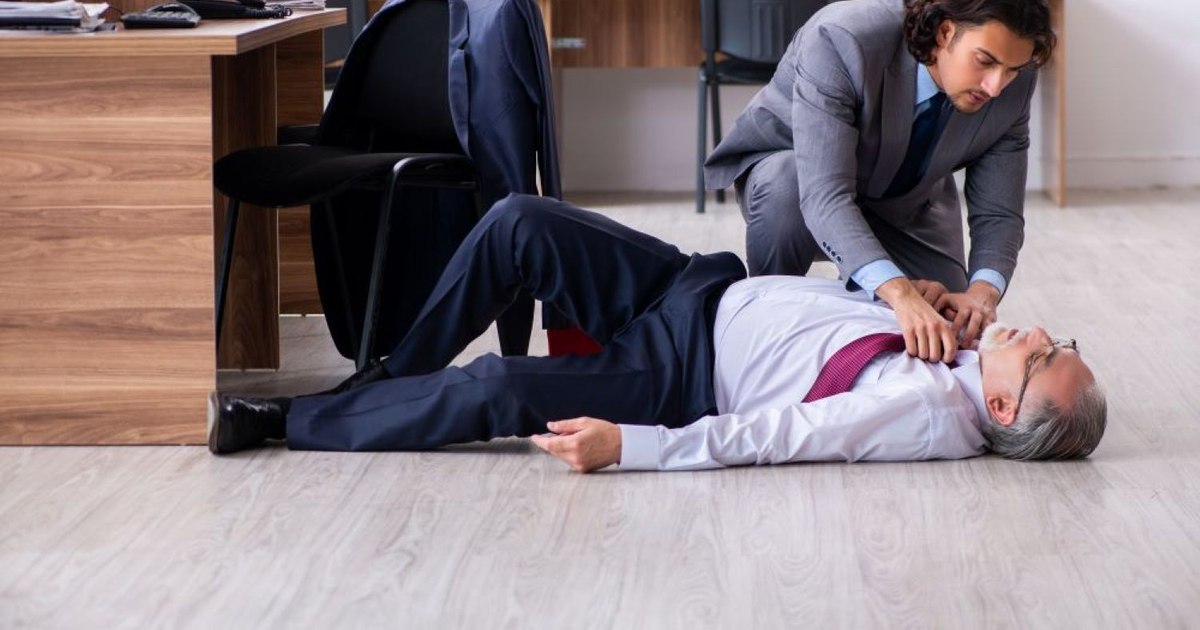
- Place the stretched person, with a slightly high head so that it breathes slightly. Not the force to get up and did not leave it until the Salvators arrived.
- Prepare for the ambulance any relevant medical information: allergies, known diseases, ongoing treatments.
A common mistake is to postpone the call to 112 in the hope that the symptoms disappear alone. Any delay reduces the chances of recovery.
Diagnosis and forms of treatment
At the hospital, the medical team quickly performs a tomography or MRI to determine the type of stroke. In ischemic forms, the main treatment is thrombolysis – that is, the dismantling of the vessel blocked with special drugs, as long as it has not passed too many hours since the beginning.
If the cause is a bleeding (hemorrhagic stroke), doctors are aiming to stop bleeding and reduce pressure in the brain. Sometimes this intervention involves an emergency operation. The drug used may have side effects: bleeding in other areas, allergies or digestive problems, so that strict monitoring by specialists remains mandatory.
After stabilizing the patient, follow the recovery program through exercises of physiotherapy and emotional support. The therapy adapts to each patient, with permanent monitoring.
Preventing stroke and healthy lifestyle
The risks decrease if you regularly check your tension, blood sugar and cholesterol levels. Foods rich in vegetables, fruits and whole grains provide long -term protection. Avoid smoking, limit alcohol consumption and move regularly; Walking and simple exercises help maintain the health of blood vessels.
Programmed medical checks annually, especially if you have passed 50 years or you have relatives diagnosed with stroke or cardiovascular disease. Discuss with your doctor about any change in the state of health or if you notice unusual symptoms.
Do not try to treat the suspicious symptoms of stroke alone. Always ask the advice of the doctor or pharmacist. The article presents only indicative information and does not replace the specialized consultation.
Learn to quickly notice the signs of stroke in you or the people around you. It acts immediately and calls 112 if you identify the signs described. Find out about symptoms, talk to your doctor and schedule your regular assessments.
Prompt support can save important functions, reduce complications and shorten recovery time. Stay informed and use the support of specialists for any concerns.
