
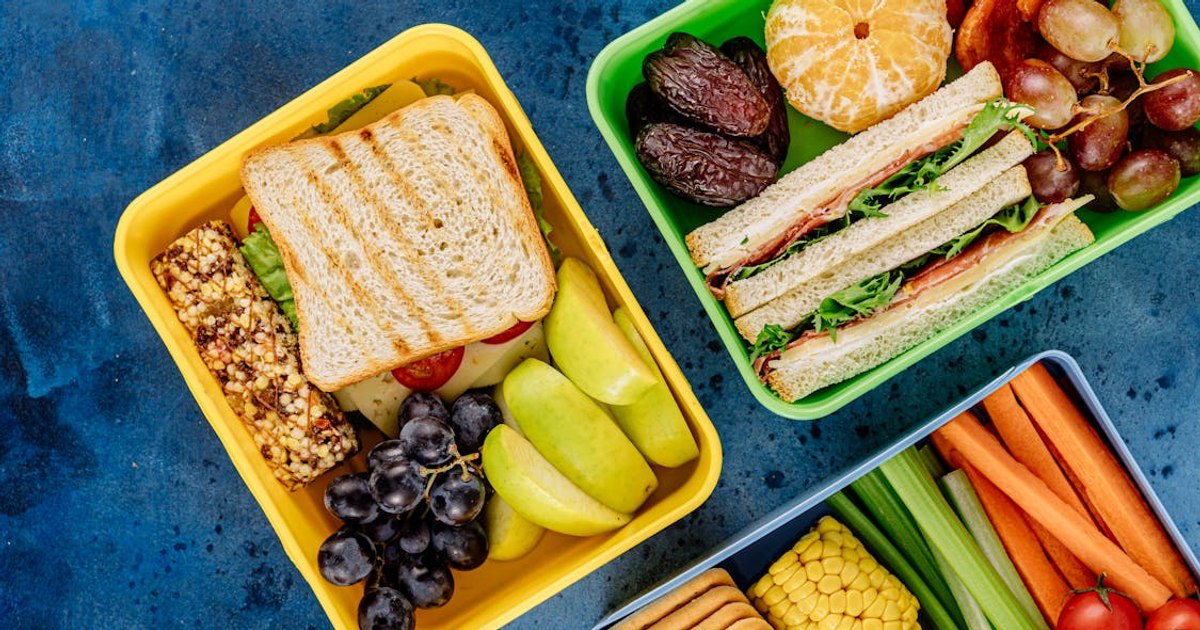
What a child has to eat at school is an essential question for parents. Healthy eating is an important element for harmonious growth and development of children. In order to receive all the necessary nutrients, it is necessary to consume food from all five groups.
What a child should eat at school photo archive
These groups include vegetables and legumes, fruits, cereals and products from whole grains, dairy and alternatives, as well as meat and meat alternatives.
Each group provides different nutrients, important for growth, development and learning, which is why a balanced diet is essential for children’s health, notes the Australian site dedicated to parents, Raising Children.
Nutrients that school age children need
Each food group has different nutrients, which the child’s body needs for optimal growth and disclosure. Proteins are found in meat, eggs, dairy, legumes, nuts and seeds and are essential for muscle development and tissue repair.
Healthy fats contribute to brain development and vitamin absorption, being present in fatty fish, avocado, olive oil and seeds.
Carbohydrates offer energy and are found in whole grains, fruits and vegetables, supporting physical activity and focusing throughout the day.
The 5 food groups
Healthy foods for school -age children include a wide range of products, namely:
– vegetables and legumes;
– fruits;
– cereals and foods from cereals;
– dairy and alternatives to dairy;
– meat and alternatives to meat.
What a child has to eat at school
Fruits, vegetables and legumes
They give the child energy, vitamins, antioxidants, fiber and water. These nutrients help protect the child from certain subsequent diseases, which include: heart disease, stroke and some types of cancer.
Fruits and vegetables or legumes are a good choice at every meal or snack, whether they are consumed fresh or cooked.
Fruits and vegetables should always be washed before consumption, to remove dirt or chemicals. It is advisable not to clean their peel, if edible, as it contains nutrients.
Cereals and food from cereals
Cereals and foods in cereals include bread, tortilla, lipsticks, pasta, noodles, breakfast cereals, rice, corn, quinoa, muffin, oats and barley. These foods provide children with the energy they need to grow, develop and learn. Foods in cereals with a low glycemic index, such as pasta and whole bread, will give the child a more persistent energy and will keep it tired for longer.
Dairy and alternatives to dairy
Key dairy are milk, cheese and yogurt. These foods are a rich source of protein and calcium. For children, it is recommended to consume dairy with low fat content every day – for example, milk drinks, slices of cheese or yogurt bowls.
In the case of parents who are thinking of giving the child alternatives to dairy, such as vegetable milk, it is best to talk to the pediatrician, the family doctor.
Meat and alternatives to meat
The choice can range from beef, lamb, pork, goat, chicken, turkey and fish.
The alternatives to meat include eggs, beans, lentils, nausea, falafel, tofu and nuts. All these foods are high in protein and important for the growth and muscle development of the child.
These protein-rich foods also contain useful vitamins and minerals, such as iron and omega-3 fatty acids.
Iron and omega-3 fatty acids in red meat and fatty fish are particularly important for brain development and child learning ability.
Foods high in animal sources also contain zinc and vitamin B12.
If the child is thinking of choosing a vegetarian diet, vegan or another special diet, the discussion with a family doctor or a dietitian is recommended.
Healthy drinks
The water remains the healthiest drink. Also, milk with low fat content is a good drink for children, as it is rich in calcium, ideal for bone development.
Limiting foods and drinks and healthy alternatives
Foods and drinks that should be limited include fast food and those products that we all know and catalog as “unhealthy”.
Concrete examples would be: chips, pies, burgers and pizza. These foods can be high in salt, saturated fats and poor sugar.
If we refer to sweets, they include: cakes, chocolate, lollipops, biscuits, donuts and pastries.
The regular consumption of these foods can increase the risk of conditions such as obesity and type 2 diabetes.
Also, the consumption of sweet drinks should be limited. These include soft drinks, sports, flavored waters. Too many sweet drinks can increase unhealthy weight, obesity and dental caries.
Foods and drinks containing caffeine are not recommended for children, because caffeine prevents the body from absorbing calcium well. Caffeine is also an incentive, which means to give children artificial energy. These foods and drinks include coffee, black tea, energizing drinks and chocolate. Healthy alternatives for snacks and desserts
The child should be encouraged to choose snacks from healthy food groups. These may include: nuts, cheese, low fat and fresh fruits or vegetables – for example, baked, falafel or carrots or celery sticks such as hummus, guacamole or tzatziki.
The same is true for the desert at the end of the table.
Sliced fruits or yogurt are healthy options. Cakes, chocolate, acades should be kept for special occasions.
