
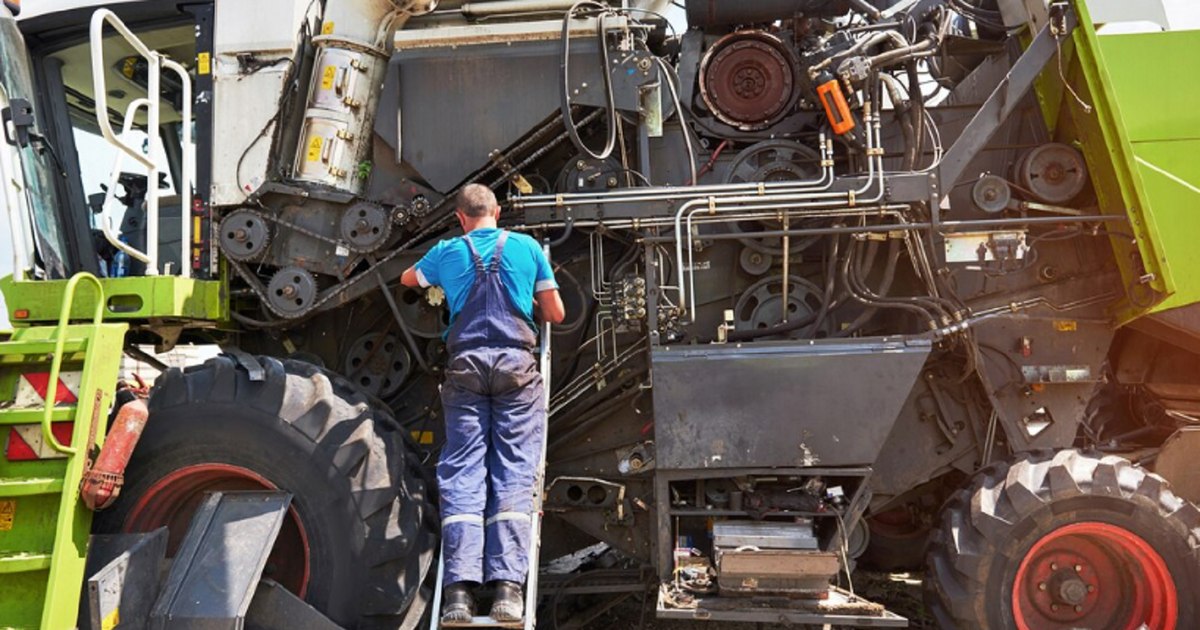
Working with heavy equipment is a constant challenge for operators, technicians and site managers. Modern equipment offers power and efficiency, but also involves a high degree of responsibility. A single mistake can cause accidents, damage to the machine or significant delays in the project. For this reason, it is essential for everyone involved to understand not only how the machines work, but also how to avoid the frequent errors that may occur during their use.
Photo freepik.com
In addition, security requirements and regulations in the field are increasingly strict, and their observance is not only a legal obligation, but also a method of protecting the life of those who operate these cars. From the correct preparation of the equipment to the continuous monitoring of the performance of the machine, each stage requires attention and competence. In this article, we will explore the most common mistakes that operators make and how they can be prevented, to work safely and efficiently.
1. Ignoring checks before operation
One of the most common mistakes is to omit checks before starting the machine. Many operators consider this redundant stage, but regular checks are essential for preventing faults and accidents.
The first step should be the visual inspection of the machine. Checking the essential components such as hydraulic hoses, braking system, oil level and structural integrity can prevent unexpected stops or expensive damage. Even a small hydraulic fluid leak can indicate serious problems that require immediate attention.
In addition to checking the equipment, the operator must ensure that all tools and safety devices are functional. This includes seat belts, sound warnings and signaling lights. A methodical and regular check -up approach minimizes the risks and extends the lifespan of the machines.
2. Incorrect use of equipment
Even experienced operators can make mistakes when handling heavy machines. This may include improper use of orders or overloading the machine.
A common example is the operation of the equipment outside the limits specified by the manufacturer. Overload of an excavator or the use of a tasks for tasks for which it has not been designed can lead to damage to the mechanisms or even to overturn the machine. It is essential to always respect the maximum capacities and instructions for use.
Also, the lack of proper training contributes significantly to accidents. The operators must be familiar with all the functions of the machine, know how to react in emergency situations and understand the significance of each indicator on the control panel. This level of training reduces the risk of costly and dangerous errors.
3. Neglecting periodic maintenance
Preventive maintenance is the key to the optimal functioning of heavy machines. Many operators or companies tend to postpone the revisions for time or cost, but this is a mistake that can have serious consequences.
Planning and carrying out periodic reviews ensures that all components, including hydraulic systems, engine and transmission, operate at optimal parameters. For example, an irreplaceable hydraulic hose can give up under pressure, causing the machine to stop and risk for the operator. Regular inspection and replacement of waste parts are safe investments and efficiency.
In addition to preventing malfunctions, periodic maintenance helps to identify minor problems before they become major. This reduces long -term costs and limits the time lost in case of urgent repairs, keeping projects on the right track.
Safety and efficiency in the operation of heavy equipment
Avoiding common mistakes in operating heavy machines is not only a matter of good practices, but a necessity for the protection of operators and equipment. Whether it is rigorous checks before starting, the correct use of the equipment or the preventive maintenance, each step matters.
The investment in the continuous training of the operators and in the careful monitoring of the state of the machines contributes to the creation of a safer and more productive working environment. Compliance with rules and procedures does not only mean compliance with the law, but also to prevent unpleasant situations that can affect the entire activity on the site.
Finally, success in working with heavy equipment depends on the combination of technical knowledge, attention to detail and responsibility. By applying the principles discussed, companies and operators can work safely, efficiently and without unforeseen interruptions, transforming daily challenges into sustainable and controllable results.
