
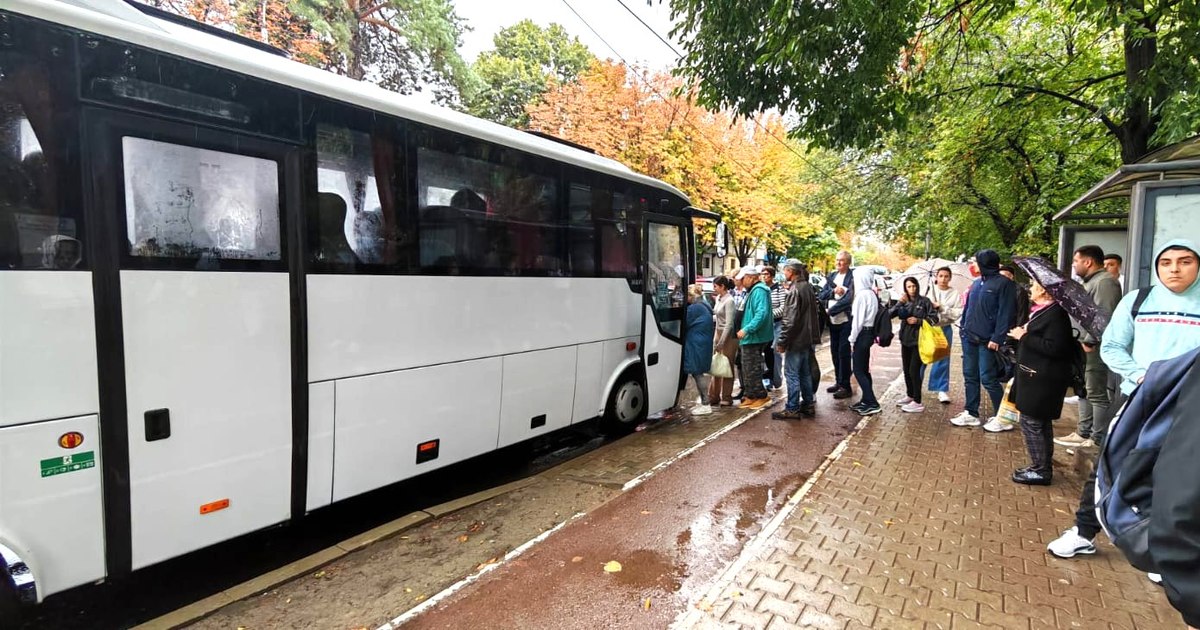
Organized field trips during school hours are an area in a gray area of legislation. Although there is an official regulation from 2016, it only states that camps held during school hours require approval from the inspectorate. But nothing about what obligations the school has towards students who do not participate in these activities.
What the law provides
In ROFUIP, i.e. the framework regulation for the organization and operation of pre-university education units, there is no provision regarding school trips.
There is, instead, a ministerial order regarding the conditions for organizing camps, excursions and expeditions in pre-university education. The latest version is from 2016. The order contains a series of rules regarding the obligations of the school in preparing activities of this type and of the students participating in the trips. But nothing about those who do not go on the trips and what the school must ensure in their case.
It is also specified in the order that “If the camp is organized during school hours, in well-justified exceptional situations, the organizing educational unit will request the approval of the school inspectorate, to which it will also send the recovery plan for missed hours”.
What the representatives of the Ministry of Education say
Secretary of State Sorin Ion emphasizes that trips during school hours must be exceptions, not the rule. “They can be organized during the school holidays, in the weeks dedicated to activities of this type. But if, with the approval of the school inspectorate, a trip is organized during classes, then the students who do not want to participate must have other activities provided by the school for that period. It is not recommended, and we insist on this, to leave them at home, because we cannot transform a day of classes into a free day.”
Education expert: “School autonomy does not mean freedom to discriminate”
Even if the legislation is in a gray area, Gabi Bartic, expert in education, points out that trips are, by definition, optional activities, not a mandatory part of the learning process.
“Participation is only with the written consent of the parents, and the lack of this consent cannot attract sanctions. If a child cannot or does not want to participate, the school has the obligation to provide a reasonable educational alternative – either a day of normal classes or a supervised activity in the school. It is important that non-participation is not treated as a violation or a reason for exclusion. A responsible school clearly explains to parents the costs, schedule and conditions of the trip, and offers solutions for all children, not only for those who can or want to leave. School autonomy does not mean the freedom to discriminate, but the ability to organize activities equitably for all students”.
Do private schools follow the same rules and guidelines?
,It is important for parents to know that all schools in Romania – state or private – are part of the same national education system and, therefore, are obliged to comply with the same operating framework established by ROFUIP, the framework regulation issued by the Ministry of Education. “A private school may have its own internal rules, adapted to its profile – for example, a dress code, admission procedures or a different structure of the school day – but these rules cannot contradict the general provisions of the ROFUIP. In other words, private schools have a greater degree of autonomy in how they apply the rules, not in their content.” says Gabi Bartic.
“My advice to parents is to read carefully when signing an educational contract. And private education has obligations towards the direct beneficiary”, is the opinion of the Secretary of State Sorin Ion.
.
