
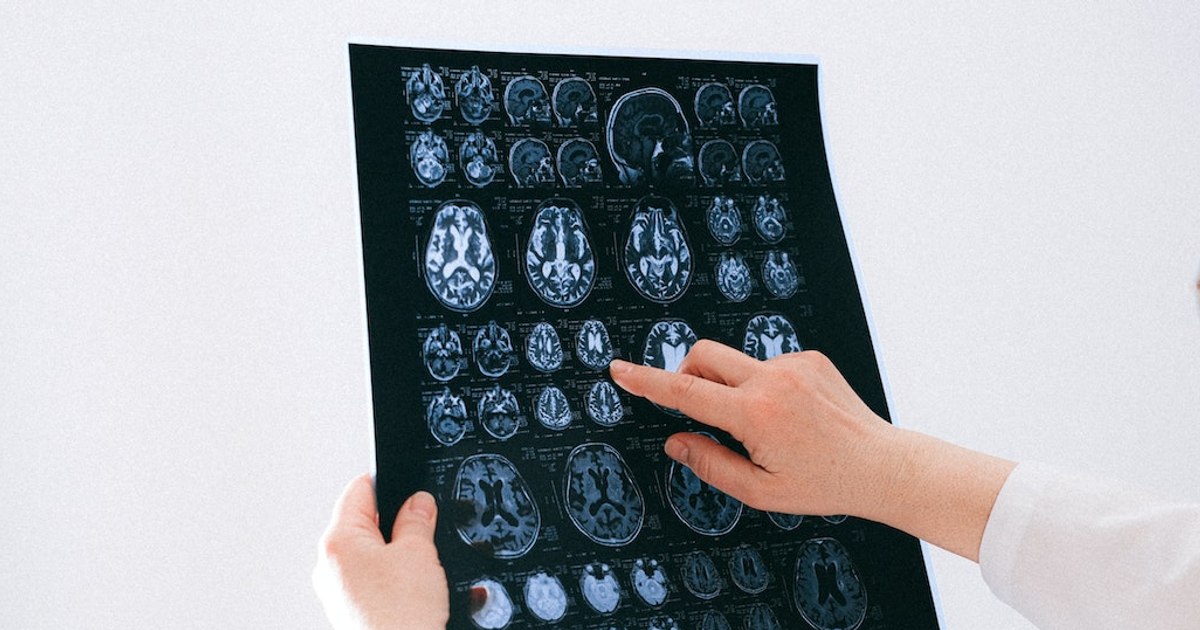
The human brain goes through five major phases of development and transformation, with surprisingly well-defined key moments at ages 9, 32, 66 and 83, researchers at the University of Cambridge have found.
The brain is constantly reorganizing its neural connections. PHOTO: Pexels
According to scientists, the brain constantly reorganizes its neural connections, but not in a linear rhythm, but in distinct stages, with sudden changes of “configuration”. These are:
Childhood: from birth to 9 years
Adolescence: 9 – 32 years
Maturity: 32 – 66 years
Early aging: 66 – 83 years
Late aging: after 83 years
Dr Alexa Mousley, lead author of the study, says: “the brain is constantly rewriting itself, strengthening and weakening connections,” and the identified ages stand out “surprisingly clear” in data, notes the BBC.
The brain remains in neural adolescence until the early 30s
One of the most important conclusions is that neural adolescence ends only around the age of 32, when the brain reaches its peak efficiency. It is, moreover, the only interval in which the neural network becomes increasingly efficient, which also explains the maximum performance of cognitive functions at the beginning of adulthood.
It is also at this stage that the highest risk of mental health disorders is recorded.
Stability between 32 and 66 years, then slight changes occur
The maturity phase, between 32 and 66 years, is the longest and most stable period. Although the changes are slower, the brain’s efficiency begins to gradually decline, a process that also reflects the observed “plateau” in intelligence and personality.
Starting at age 66, the brain enters a phase of early aging, in which neural networks tend to fragment into more specialized regions. This is also the period when hypertension and the first signs of dementia appear more frequently.
After 83 years, the changes continue, becoming more pronounced, although the data is more limited because of the difficulty of finding very old people with healthy brains for scans.
Changes that reflect the stages of life
The researchers say these phases align surprisingly well with important biological and social milestones: from puberty to changes around age 30 to health risks in later life.
Prof Tara Spiers-Jones, a neuroscientist at Edinburgh University, calls the research “a very interesting find”, but warns that not all people will experience the changes at the same ages.
The study, conducted on approximately 4,000 people aged up to 90 years, was published in the journal Nature Communications.
