
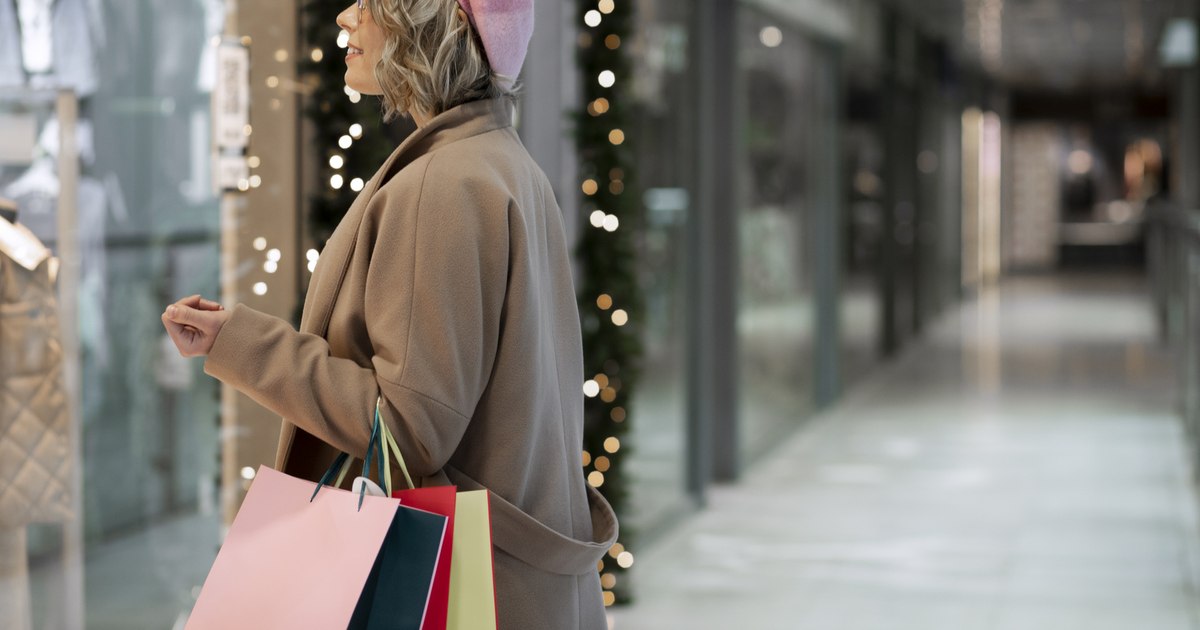
Impulse shopping encouraged in the run-up to the holidays, gift pressure and rising utility costs make December one of the most expensive times of the year. Winter gifts are, however, a long tradition with a special symbolism.
Christmas presents have an ancient history. Photo: Freepik.com
For many Romanians, December, the “month of gifts” means additional costs and impulsive purchases, some studies show, but also anxiety related to spending money, in a period often affected by the usual anxieties of welcoming the new year.
Why store shelves are becoming irresistible
Malls and stores prepare in advance to encourage their customers to spend as much money as possible during this period, and Christmas decorations and holiday offers adorn the shelves as early as October and November.
Seasonal music complements the festively lit decor of most storefronts, encouraging irresistible urges and reflexes to buy.
“Positive experiences generated by visual and auditory stimuli in the store encourage impulse buying, because consumers have heightened emotions and feelings and are much more likely to walk around stores, thus having more opportunities to buy impulsively. Christmas themed windows have been identified as the most important visual stimulus that draws consumers into stores they may not have originally intended to enter.” shows a study published by the University of Greenwich, England.
Additionally, consumer behavior tends to change during the holiday season. “Traditions and values may predispose them to overindulge and engage in less rational decision-making, leading to increased impulse buying for both themselves and gifts,” the authors of the study also show.
The tradition of gifts, with biblical origins
Beyond the scientific explanations for holiday windfalls, the tradition of gift-giving has biblical roots and has remained strong in the culture of many peoples. Along with “family” and “light,” the word “gift” is among the most mentioned words during the Christmas holidays, some research shows.
The family represents the emotional moment of the holidays, the light describes the decor and the magic evoked during this period, and the gifts recall the festive tradition and have cultural meanings, expressing sympathy and appreciation and being given freely, without expecting anything in return.
“Christmas is a social holiday where gifts are valued. The celebrations of Christ’s birth have become the biggest gift-giving event because for Christians, gifts express their joy at the birth of Jesus. According to the biblical account in the Gospel of Matthew, the Magi are the ones who come to worship the Messiah born King of the Jews. They come from the East, guided by a star, and are magi bearers of offerings to worship Christ. They offer gold, frankincense, and myrrh to the Child Jesus, worshiping the child and honoring him with their gifts.” shows a recent study published by researchers from universities in Portugal.
Some research associates the word “gift” with consumerism and adds that it brings with it costs, pressure and stress.
“As the Christmas season approaches, the most common thoughts are what to buy, who to buy for and when to buy so that we can give people a Christmas present,” show the authors of the study from Portugal.
What do Romanians spend their shopping money on?
Many Romanians complain about high prices and impulse spending, and research shows that, in recent years, people have tried to “tighten the belt” when it comes to gifts and focus on practical things.
Promotions, limited-time discounts, gift offers, seasonal products, the desire to have fun and forget about economic calculations for the moment, the feeling of improving the standard of living, the novelty of products, the services offered by retailers and recommendations convince Romanians to spend more, even at the risk of going into debt, show some marketing specialists.
Clothing, footwear and clothing accessories remain among the most popular purchases, according to recent market studies. They are followed by personal care products, home goods, children’s toys and games, electronics and gadgets, food and drink and spending covering activities and experiences.
Romanians in front of the gift list
On major social media platforms, the topic of holiday shopping is sparking debate, as is the extra spending allocated to gifts and holiday trips. Many TikTok content creators are currently presenting gift recommendations suitable for their various budgets.
On the TikTok platform, one of the seasonal trends is the “Christmas basket”, in which young people show what products they put in a basket that they will give to their friends. Other popular clips on the same network describe the gifts you can buy for loved ones at a budget considered reasonable, 250 lei. A young woman offers scarves, decorated mugs, blouses and perfumes.
On the Reddit platform, discussions of Christmas gifts are causing more controversy. Some men seem less picky about expected gifts, but become more stressed when they have to go shopping.
“I usually don’t wait for a specific gift, because I get whatever I want when I want, but I always appreciate things related to my hobbies and passions. As for the gift for her, it’s getting harder and harder, I’ve gotten her everything over the years: piano, fancy clothes, purse, jewelry, laptop, and so on. I made them with my own hands and an ornate jewelry box. I’m struggling here, because this year, unfortunately, I really don’t I have time to make something original with my own hands.” complains one of the netizens.
A young woman believes that she proved more creative in choosing gifts, managing to please her family and friends.
“Luckily, the husband says what he wants: merino sweaters, books, bottles of various drinks, coffees, quality underwear and gloves. I tried to give my friends meaningful gifts, but without spending too much, focusing on consumables. I got my mom bags and the kids LEGOs and toys.” add this.
Some Romanians, on the other hand, believe that purchasing some holiday care products will never go wrong, while others claim that, due to the ever-increasing cost of living, they come to consider paid bills and food in the fridge as sufficient holiday gifts.
How to avoid impulse buying
Impulse buying and overspending during “gifting month” can be curbed with discipline, some personal development experts say. A simple means to reduce expenses is to follow a shopping list designed before entering the stores.
Also, reducing the time spent in stores during this period and a fixed budget allocated to shopping contribute to the efficiency of expenses. Using cash for payments is considered a useful method for those who want to “feel” how they spend their money and thus become less wasteful.
“Before you go to the store or browse online, make a list of the things you really need. Get into the habit of slowing down and thinking before making an impulse purchase — this can help you save serious money. When you find something you want to buy on the spot, give yourself a 24-hour thinking period. Instead of vaguely saying you want to save money, set a target (not a target) concrete, for example: “I want to save $5,000 in the next year.” Make a clear budget for how much you can spend and withdraw that amount in cash for shopping. When you use cash, you avoid overspending and impulse purchases,” are some of the tips from the experts at Bankrate, a popular personal finance website.
