
Easter Lent 2026 begins on February 23 and lasts 48 days, until April 11, being the longest and most important fasting period in the Orthodox calendar.
Lăsata Celului for Easter Lent 2026, on February 23, marks the beginning of one of the most important periods in the Orthodox calendar. Easter Lent 2026 begins, as it does every year, 40 days before the Feast of the Resurrection and is considered the harshest Lent of the year.
The Easter fast lasts 40 days
White Week, also known as Cheese Week, is the last week before Lent. During this period, believers give up meat, but can consume dairy, eggs and fish. It is a transitional stage, from the nutritional and spiritual point of view, designed to prepare the body and soul for the rigors of fasting.
The Easter fast recalls the 40 days and 40 nights fast kept by Jesus Christ before he began to preach the Gospel.
Passion Week is added
The Easter fast does not end with the completion of the 40 days, but continues with Passion Week, also known as Holy Week, the last week before Easter, which commemorates the sufferings, crucifixion and death of the Savior Jesus Christ. During this period, church ordinances become even stricter.
Each day of Passion Week has a meaning:
Monday – Monday brings before us the icon of the young Joseph who was sold by his brothers in Egypt. The history of his life in the liturgical cult is the anticipation of the Sacrifice of the Savior Jesus Christ who was sold by Judas.
Tuesday – On Holy Tuesday, also called Shrove Tuesday, the commemoration of the Parable of the Ten Virgins takes place. This is the day Jesus Christ told his 12 disciples the parable of the 10 virgins, which tells the story of five “wise” and five “unwise” virgins preparing for a wedding.
Wednesday – A memorial is also made on Wednesday of Passion Week, that of the sinful woman who washed with tears and anointed the Savior’s feet with myrrh, a symbol of true repentance and the correction of sinful man.
Thursday – Thursday’s service recalls four special events in the Savior’s life: the washing of the disciples’ feet, as an example of humility; the Last Supper, at which the Savior instituted the Sacrament of the Holy Eucharist; the bishop’s prayer; the beginning of the Passion, through the sale of the Lord.
Friday – The “Holy and savior and fearful Passions of our Lord and God and Savior Jesus Christ” are celebrated, Good Friday being the day Jesus died on the cross.
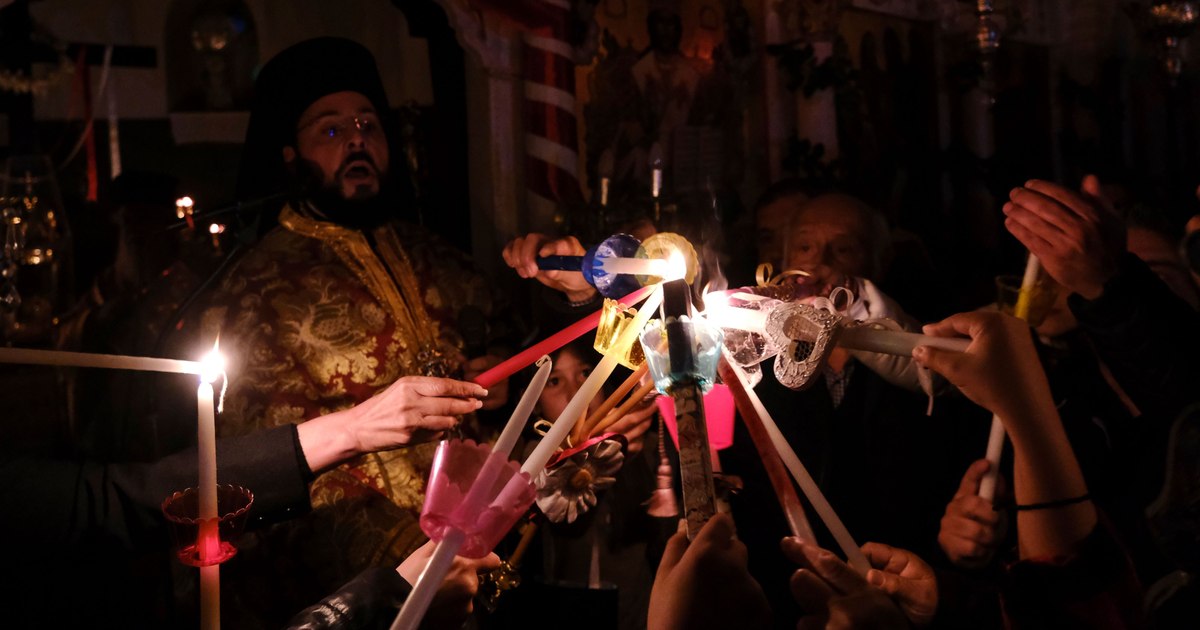
Saturday – At the Passion Saturday service, the burial of the Savior Jesus Christ is celebrated, and at midnight the faithful listen to the Resurrection service in front of the churches, at which they receive the light and the news that Christ is Risen.
During this week, in Maramureş, people wear mourning clothes.
Why it’s the hardest post of the year
The Easter fast is considered the harshest fast of the year for several reasons. In addition to lasting over six weeks, it has only two days of fasting from fish, involving a strict diet that involves giving up meat, dairy, eggs and, on certain days, even oil and wine.
According to church ordinances, Mondays, Wednesdays, and Fridays are days of black fasting, when believers with self-control do not eat anything until evening. On Tuesday and Thursday it is allowed to eat dry food – fruits, vegetables, bread – without oil or wine. On Saturdays and Sundays there is indulgence in oil and wine, these being considered days of relief.
Unlike other fasts, which include several days of untying fish, the Easter Fast has only two: March 25, the Annunciation, and April 13, the Feast of Flowers.
It is also a time rich in traditions, prayers and customs passed down from generation to generation. The faithful participate in the special Lenten services, confess and partake in preparation for the Savior’s Resurrection.
