
Cases of hantavirus infection in Argentina have nearly doubled in the past year, with the country recording 32 deaths and the highest number of infections since 2018, CNN reports. Experts blame this increase in the number of cases on climate change and the destruction of natural habitats, with the disease usually caused by exposure to the urine or feces of infected rodents.
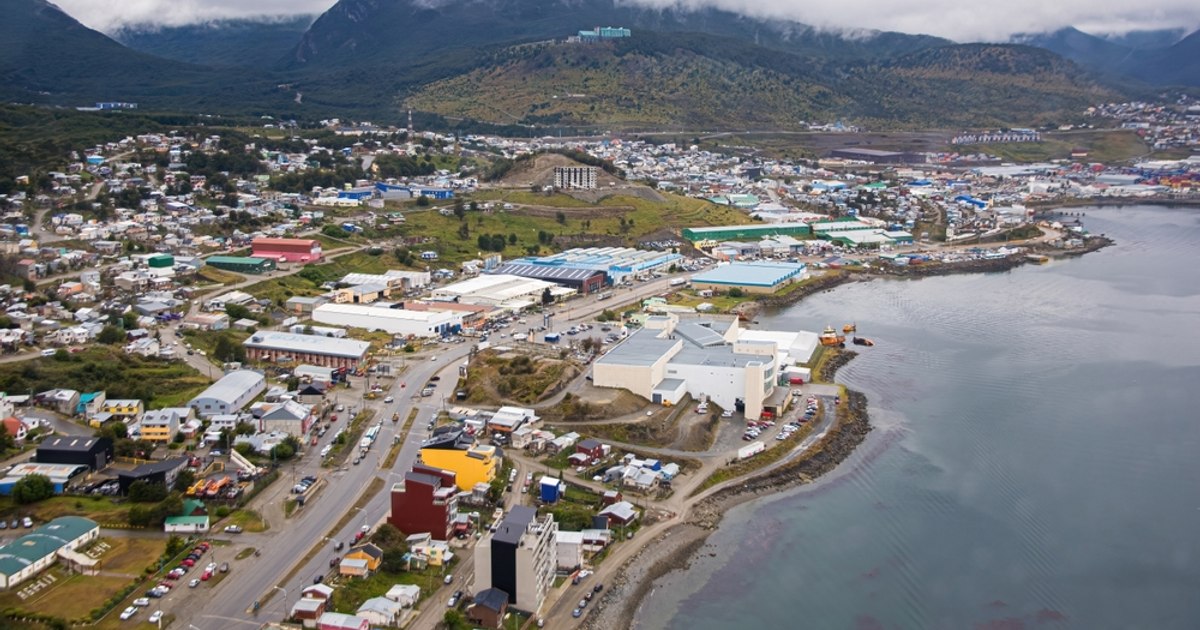
Argentine authorities are trying to retrace the route of a tourist couple who traveled to several areas of the country and were on board the MV Hondius cruise ship, where an outbreak of hantavirus broke out. The vessel left the port of Ushuaia in southern Argentina on April 1 and is currently en route to the Canary Islands. The vessel is expected to arrive at Granadilla industrial port in Tenerife on Sunday morning, May 10.
In the current epidemiological season, which began in June 2025, there have already been 101 confirmed cases of hantavirus, according to Argentina’s Ministry of Health, compared to only 57 in the same period last year.
Not only has the country seen an unusually high number of cases this year, it has also reported one of the highest death rates in recent years, with the number of deaths 10 percentage points higher than last year.
And these figures do not include the outbreak on board the MV Hondius, the origin of which is still unknown.
There have been no reported cases of hantavirus in Ushuaia in recent decades, according to the ministry, but the virus is endemic in other regions of Argentina.
The authorities suspect that the two tourists visited several areas of the country, crossing the border with Chile several times and even reaching Uruguay, before boarding the cruise ship.
Four geographic regions in Argentina are historically considered areas of high risk of infection: the northwest of the country, in the provinces of Salta, Jujuy and Tucumán; the northeast, in which are Misiones, Formosa, and Chaco; the central region – Buenos Aires, Santa Fe and Entre Ríos; as well as the south, in Neuquén, Río Negro and Chubut.
The deceased Dutch couple reportedly visited both Misiones and Neuquén.
For years, hantavirus has been associated in Argentina with Patagonia after the deadly 2018 outbreak that killed 11 people and infected dozens.
This season, however, most cases were reported in the central region of the country, with Buenos Aires province recording the most infections, 42 in number.
The outbreak on the ship has been linked to the Andes strain of hantavirus, a rare but potentially severe form of the virus that in some cases can be transmitted between people through close contact.
Climate change, a possible factor
In Argentina, hantavirus usually occurs in rural and peri-urban areas, near agricultural crops, tall vegetation, humidity, or in subtropical climates.
But experts believe that environmental degradation caused by climate change and human activity is contributing to the spread of the virus, allowing the rodents that transmit it to adapt and multiply in new areas.
“Increasing human-wildlife interaction, habitat destruction, the development of small urban areas in rural areas and the effects of climate change are contributing to the emergence of cases outside areas historically considered endemic”reported the Argentine Ministry of Health.
Testimony of the American doctor who treated passengers with hantavirus on the cruise ship MV Hondius
Extreme weather events, such as drought and episodes of intense rain in recent years, are also fueling this trend, experts say.
Rising temperatures produce changes in the ecosystem that influence the presence of the long-tailed mouse, the main carrier of the virus in Argentina and Chile.
“These rodents are adapting better to climate change, which could explain the higher number of cases we’re seeing now.”said Eduardo López, an infectious disease specialist and advisor to the Argentine government during the COVID-19 pandemic.
Wildfires have caused both people and wildlife to move to other areas, increasing the risk of transmission, explained Roberto Debbag, vice president of the Latin American Society of Vaccinology. According to him, tourism trends also played a role.
“Anyone who goes into an area at risk for tourism, if it is not cleared of dense vegetation, exposes themselves to a very great danger,” Debbag said.
The Ministry of Health announced that technical teams will go to Ushuaia, Tierra del Fuego province, to capture and analyze rodents in areas associated with the route of the Dutch couple who are believed to have been exposed to the virus.
However, Juan Petrina, Tierra del Fuego’s director of epidemiology, said that “the data does not match for the infection to have occurred here”citing airport and ship departure documents that show the two were in Tierra del Fuego only between March 29 and April 1.
He also dismissed as “rumor” the information according to which the couple visited a garbage dump in Ushuaia before boarding.
Comparisons with the COVID-19 pandemic
In parallel, the outbreak on the MV Hondius fueled fears of a new pandemic, given that there are passengers from several countries on board.
“I understand why people make that comparison,” said Charlotte Hammer, assistant professor of health security and infectious diseases at the University of Cambridge.
“We still have the collective memory of COVID-19, but if we look at the virus and the disease, we’re talking about something very different,” she explained.
Hammer said each strain of hantavirus is associated with certain rodent populations, and the strain identified on the dish is the Andes variant, which is normally only transmitted through very close contact with an infected rodent.
She added that human-to-human transmission is limited, requiring close and prolonged contact for infection.
“A cruise ship is, unfortunately, one of those places where people spend a lot of time together in relatively small spaces,” said the teacher.
“But these are not the conditions that we normally encounter,” she explained, stressing that the virus cannot be transmitted just by walking past an infected person.
In an unusual gesture, the director-general of the World Health Organization, Tedros Adhanom Ghebreyesus, published on Platform X on Saturday a letter addressed directly to the residents of Tenerife, where the ship is due to arrive on Sunday.
Hantavirus survivor’s story: ‘I knew I could die’
“I know you are worried,” he wrote. “I know that when you hear the word ‘outbreak’ and see a ship heading for your shores, it brings back memories that none of us have fully overcome.”
“But you must hear me clearly: this is not a new COVID-19.”
He emphasized that the risk of transmission remains low because “there are no symptomatic passengers” on board the ship.
