
An analysis by the National Phytosanitary Authority shows that over 40% of Romanian vegetables contain traces of pesticides, and in some products the amounts of dangerous substances detected were far above the maximum allowed level. Dill, lettuce and tomatoes are the most treated vegetables, the report shows. Vegetable growers react: “If they were found in dill and parsley, it is clear that they come from Turkey”, they claim. Doctors point out that prolonged exposure to these substances can lead to leukemia.
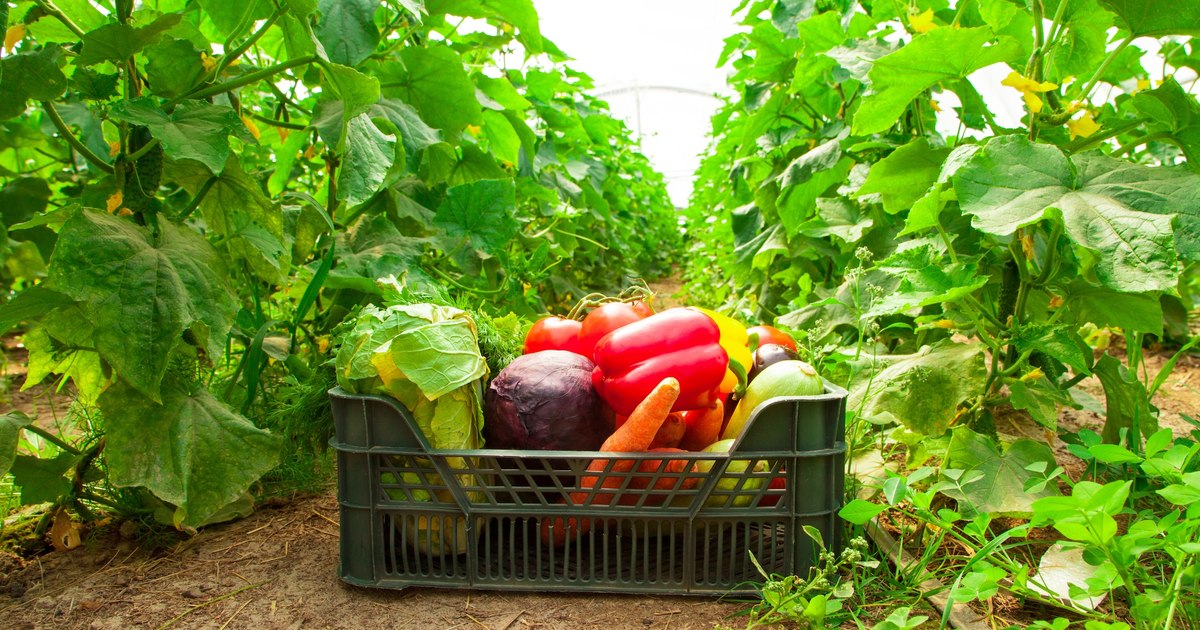
The scandal of vegetables with traces of pesticides – Photo Shutterstock
More than 1,300 samples of vegetables from Romania were analyzed by phytosanitary experts, who discovered traces of pesticides in more than 40% of them, almost double compared to the previous year. The most dangerous are dill, lettuce and tomatoes. The analyzed samples come from the large vegetable basins in the south of the country, and pesticides were found in 67% of the dill and lettuce samples and in 64% of the tomato samples.
“28 samples had pesticide residues with values higher than the maximum allowed limit (MLA), in accordance with the limits set out in Regulation (EC) no. 396/2005 regarding the maximum contents applicable to pesticide residues in or on food and feed of plant and animal origin, with subsequent amendments and additions. From the total number of 2,989 analyzed samples, 2,122 were vegetable samples, 592 fruit samples and 275 cereal samples“, sent the National Phytosanitary Authority.
Residues come mostly from fungicide treatments, followed by insecticides and growth regulators. The pesticide residues that phytosanitary experts found in the vegetables are: azoxystrobin, cyprodinil, ethephon, boscalid, acetamiprid, fluopyram, cypermethrin, phenxeamide and pyraclostrobin, and in some cases, the level far exceeded the maximum allowed for some substances.
The fruits from the southern half of the country do not fare better either, of the 592 fruit samples analyzed in 2023, 58.9% contained pesticide residues. The fruit categories with a high percentage of such trace substances are: quinces, grapes, apricots, peaches and strawberries.
Those who can give sanctions for such irregularities are the phytosanitary inspectors from the county phytosanitary offices, following the alert notification received as a result of the registered non-compliance, according to the Phytosanitary Authority.
At the request “truth“, the general director of the National Phytosanitary Authority, Paulina Gabor, specified: “According to the annual planning of the National Monitoring Program, samples were taken from producers, markets, markets, supermarkets and wholesalers“.
What the vegetable growers say
Vegetable growers defend themselves.
“Every time Romanian swindlers appear, a scandal like this appears in the press. It surprises me that they found outliers in dill and lettuce, because these vegetables do not require as many treatments, because they are not as prone to diseases compared to the tomato, which has more types of diseases and pests. Dill also grows alone. There are traces of pesticides, we are talking about a 90%-95% conventional agriculture in Romania, that is, we can use treatments and phytosanitary products recognized by the legislation in force. If we talk about traces of pesticides, they must be found because farmers use them. If we are talking about exceeding the maximum permissible limits, then indeed I think it is a problem. The National Phytosanitary Authority should be more precise, because these treatments are used in the recommended quantities and respecting the break times. We ask ourselves the big question: where were these vegetables harvested, from solariums, farmers' fields or from agro-food markets? Because here we have another category of traders using false product labelling, and the other authorities should do their job. Maybe there are farmers who make mistakes or who did not respect the break times, but we do not agree with these practices“, explained Ion Păunel, the president of the Olt Agricultural Producers' Union.
For his part, Gheorghe Vlad, the president of the Interprofessional Organization of Vegetable and Fruit Producers (OIPA), claims that the vegetables with values higher than the maximum allowed limit come from Turkey.
“I agree with these controls, only that the vegetables are taken directly from the vegetable pools, from the producer. There is no word «dangerous» in the technical sheet of pesticides, and the drugs are «toxic» in large quantities. Such words put pressure on local vegetable producers, on the Romanian product. On the other hand, from what year is the equipment used by the Phytosanitary Agency? You will see that this is very old and only makes three or four determinations. To mention the producers and the products where traces were found, because there is nothing to hide, and thus they would no longer generalize. If they are found in dill and parsley, it is clear that they come from Turkey. These vegetables are from Turkey, therefore they are overages. You only find 5% Romanian products in the markets. There are no real producers in the agro-food markets, and under that producer certificate they buy and sell products from Turkey“, conveyed Gheorghe Vlad, president of OIPA.
Leukemia, associated with pesticide use
Doctor Radu Țincu, head of the toxicology discipline at the “Carol Davila” University of Medicine, explained why exposure to pesticides can be toxic, but also the diseases that favor it.
“The cumulative effect is dangerous, we can eat lettuce and tomatoes that are contaminated, but we can also eat other fruits that are also contaminated. It's hard to say a quantity, because we're talking about a cumulative effect. We don't just eat a certain fruit or vegetable, nor do the analyzes refer to just a certain type of fruit/vegetable. But the cumulative effect concerns their interaction with the human body. There are many studies that attest to a correlation between low-toxicity exposure to pesticides and the appearance of some forms of cancer, especially in the hematological area: leukemias, lymphomas have been associated with certain exposures of people to pesticides. Also, these substances work as endocrine disruptors, that is, they can mimic certain hormones, which can lead to the appearance of certain endocrinological dysfunctions, even more so during the development period, in puberty. Certain menstrual cycle disorders, early puberty can occur, and on the other hand, through this endocrinological mechanism, pesticides can promote the appearance of cancers in some organs that are hormonally regulated: breast cancerprostate or cervix“, states the toxicologist.
Can we protect ourselves in any way? “It is very difficult to avoid vegetables or fruits with traces of pesticides, because we do not have any kind of organoleptic capacity, we cannot detect with our senses whether they are contaminated or not. It is obvious that the main control mechanism is the performance of tests by the authorities, tests that highlight the presence or absence of these pesticides, some of them may be within limits, others – above the level allowed or prohibited by legislation“, adds Radu Țincu.
To limit the intake of pesticide residues, the World Health Organization recommends that we peel and wash fruits and vegetables.
“Washing fruits and vegetables under running water for a few minutes will dilute the concentration of pesticides on their surface and is a tip we should follow. Let's wash these fruits and vegetables very well, not with detergent, because we can expose ourselves to other forms of toxicity. Sodium bicarbonate also has no effect on pesticides, it does not inactivate them, of course it has no toxic effect on the body, but it is not a recommendation that has a scientific basis“, mentions the ATI primary doctor at the Floreasca Emergency Clinical Hospital.
Imported vegetables and fruits, even more toxic
Approximately 90% of the fruits and vegetables from October to April are imported, and even after this period the need is not covered only by domestic producers.
But even imported vegetables and fruits are not free of pesticide residues. A study carried out in France shows that almost two-thirds of the fruits (73.1%) and almost half of the non-organic vegetables (45.8%) contained at least one pesticide residue in the period 2017-2021. However, the Netherlands has the highest consumption of pesticides per hectare in the European Union, over 10 kg. This in the conditions in which agricultural products in Europe comply with quite strict legislation. But vegetables and fruits coming from Turkey or Ukraine may also contain pesticides banned by the EU. ANSVSA assures us that most of these contaminated vegetables and fruits do not reach the shelf.
