
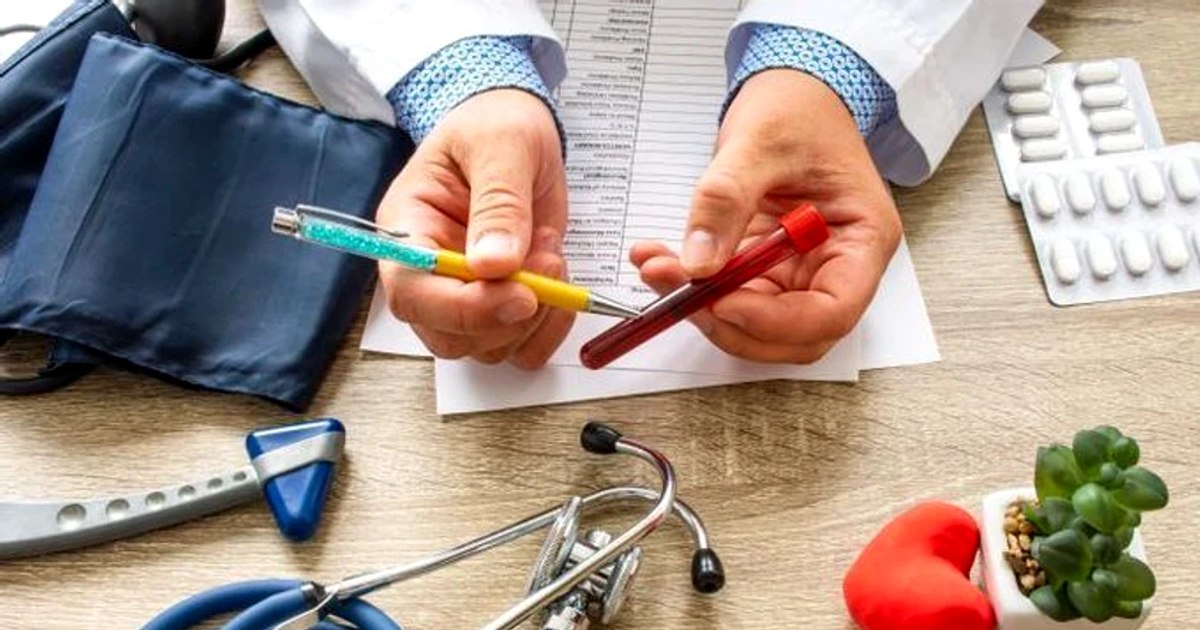
About a third of women in our country have anemia and are not aware of it. Fatigue is among the most common symptoms.
1 in 3 women have pernicious anemia – Photo Shutterstock
According to data from the World Health Organization (WHO), most women find out they have pernicious anemia when they become pregnant. Thus, 36.5% of women suffer from an iron deficiency during pregnancy. When it comes to women between the ages of 15 and 49, 29.6% suffer from anemia when they are not pregnant, reports ObservatorNews.ro.
One of the most common forms of anemia, pernicious anemia is a deficiency of this mineral in the body. Basically, when it does not have enough iron, our body cannot properly synthesize hemoglobin, and the tissues are insufficiently oxygenated. And that makes us more tired and less productive.
Why does iron deficiency occur?
Pernicious anemia does not occur on its own, but is caused either by certain conditions or by lifestyle.
Hemorrhages are among the most common causes, a loss of blood during menstruation or some trauma can lead to iron deficiency.
A diet low in iron-rich foods lowers the number of red blood cells over time.
Besides, it can also be about the insufficient absorption of iron, and this happens when the patient suffers from diseases of the intestine or when part of the intestine has been surgically removed, informs the website Regina Maria.
Moreover, the condition is common during pregnancy, as the mother's blood is vital for the baby's development.
In addition, deficiency can be caused by rare genetic conditions, endurance sports, bowel and digestive disorders, stomach and bowel surgery, kidney disease, or conditions that can cause inflammation, such as congestive heart failure or obesity.
The most exposed are women, children, vegetarians and those who donate blood frequently.
Symptoms of iron deficiency
A simple blood test, which is among those that we can do for free with a referral from the family doctor, because it is settled by CNAS, can help us see if we have an iron deficiency.
Specifically, hemoglobin, sideremia and serum ferritin can help us identify if we have iron deficiency anemia.
In addition, signs such as fatigue and exhaustion, pale skin, brittle nails, but also hands and feet that are cold all the time should make us think about the lack of iron in the body.
Moreover, those who are deficient in iron may experience dizziness, headache and chest pain, rapid heartbeat, breathing problems.
Children or babies with pernicious anemia may have an increased appetite, according to the Dr Max website.
Treatment
Specialists are the ones who should determine which iron supplements we should take, if a blood test confirms that we are dealing with iron deficiency.
Iron-based supplements can restore the level of this mineral, but the treatment regimen and dosage will be decided by the doctor.
In more severe cases, doctors may recommend intravenous iron. Moreover, if the specialist doctor notices that the anemia is caused by internal bleeding, a surgical intervention may even be required.
Although a healthy diet cannot combat anemia, it can help us prevent such deficiencies. A diet rich in foods containing iron and vitamin C, which increases the absorption of this mineral, is necessary.
Foods rich in iron include meat, eggs and dairy products, spinach, pumpkin and seafood. And our body can extract vitamin C from citrus fruits, fruits like kiwi, strawberries, pineapples, mangoes and others, vegetables such as bell peppers, broccoli, cauliflower or Brussels sprouts.
