
The Senate adopted Monday, June 30, without any vote against, the legislative proposal of Senator Robert Cazanciuc regarding the modification of Article 1391 of the Civil Code that allows the granting of moral and material damages only to the descendants of the dead as a result of a road accident.
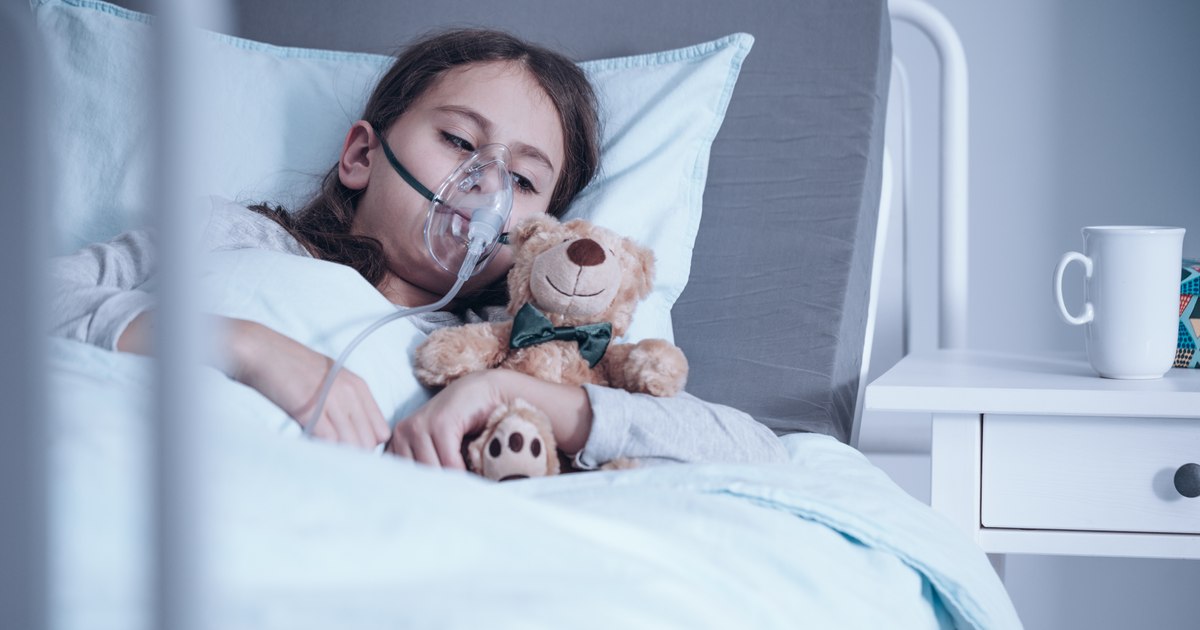
The families of children traumatized in the accident do not currently receive compensation. Photo shutterstock
The legislative proposal adopted by the Senate “brings a form of relief of the suffering of parents who see their traumatized children following road accidents or children who have to take care of one of the mutilated parents following acts of domestic violence.“explained Robert Cazanciuc, on Monday, in a Facebook post.
What is the situation at present: “They are not covered with damages for the family that must take care of the victim”
Its initiative is meant to amend article 1391 of the Civil Code that currently allows the granting of moral and material damages only to the descendants of the deceased as a result of a road accident.
The PSD Senator is currently reminds, “Unfortunately, in the situation where a child or an adult gets to move to a wheelchair or remain targeted in bed, physical, mental or social losses are not covered with damages for the family that must take care of the victim”.
The adopted proposal establishes criteria that allow the courts “a unitary interpretation”
Robert Cazanciuc specifies that, at the drafting of the initiative, deposited together Daniel Fenechiu and Cristian Rujan, the decision of the Constitutional Court no. 342/2024 by which it was established that the text of the law is unconstitutional insofar as it limits the possibility of indirect victims to be compensated to restrict their possibilities of family and social life as a result of the injury of the bodily integrity or the health of the direct victim.
“This approach agrees the law with the decision of the RCC, establishing, at the same time, criteria that allow the courts a unitary interpretation,” explains Robert Cazanciuc.
