
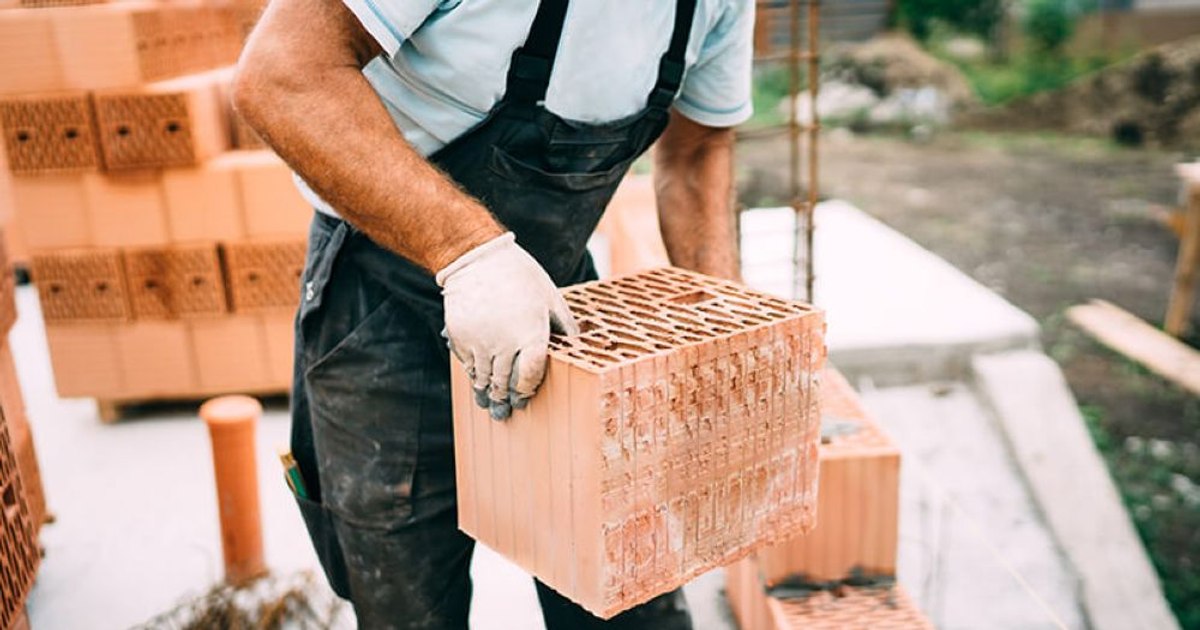
When you start building a house, one of the most important decisions is the choice of masonry material. Most of the time, the comparison comes down to two options: the brick and the BCA. Both are used frequently, but the differences between them become noticeable over time, especially when you consider comfort, durability and actual construction costs.
In order to make the right choice, it is important to not only look at the initial price or the speed of execution, but how each material performs in the long term.
Durability and stability over time
One of the most important criteria is mechanical resistance. Ceramic brick is recognized for its solid structure and ability to support high loads, being a frequent choice for sustainable housing, including P+1 or P+2. In addition, the behavior over time is predictable, which provides additional safety.
BCA, being a lighter material, is frequently used for residential construction, especially in frame-based systems, but it has a lower mechanical strength and may require additional reinforcement solutions in certain areas.
Thermal and acoustic comfort
Although BCA is known for good thermal insulation due to its porous structure, the real performance of a home depends on the entire construction system. Modern brick, such as evoceramic 30 nf, is designed to provide a balance between strength and insulation, thanks to its optimized void structure.
An important advantage of brick is thermal inertia. This helps to maintain a constant temperature inside, reducing the variations between day and night and providing a more stable comfort, regardless of the season.
In terms of sound insulation, brick has a clear advantage. Due to its higher density, it attenuates external noises more effectively, being a suitable choice for homes located in urban areas or near traffic sources.
Moisture behavior and durability
In the climatic conditions in Romania, the materials are constantly subjected to variations in temperature and humidity. The brick has a stable behavior over time and a good ability to manage water vapor, contributing to a balanced indoor environment.
BCA requires greater attention to execution details, especially in terms of moisture protection and exterior finishes, to avoid degradation over time.
Real costs: beyond the price of the material
One of the most common selection criteria is cost. BCA may seem more affordable at first glance and allows for faster execution, which reduces initial labor costs.
However, the real cost of a construction does not boil down to the price per cubic meter. It is important to consider the need for thermal insulation, the durability of the material, maintenance costs and long-term energy consumption.
The ceramic materials developed by manufacturers specialized in masonry, such as Cemacon, are designed to meet current construction requirements, offering balanced solutions between performance and durability. When properly integrated into the project, they can help optimize costs in the long term, not just at the initial level.
What do you choose according to priorities?
The choice between brick and BCA is not a universal one, but it becomes clearer when you set your priorities. If you are looking for quick execution and a lower initial cost, BCA can be a suitable option for simple constructions.
On the other hand, if you want a sustainable home, with stable thermal and acoustic comfort, and with predictable performance over time, brick remains one of the safest and most balanced choices.
