
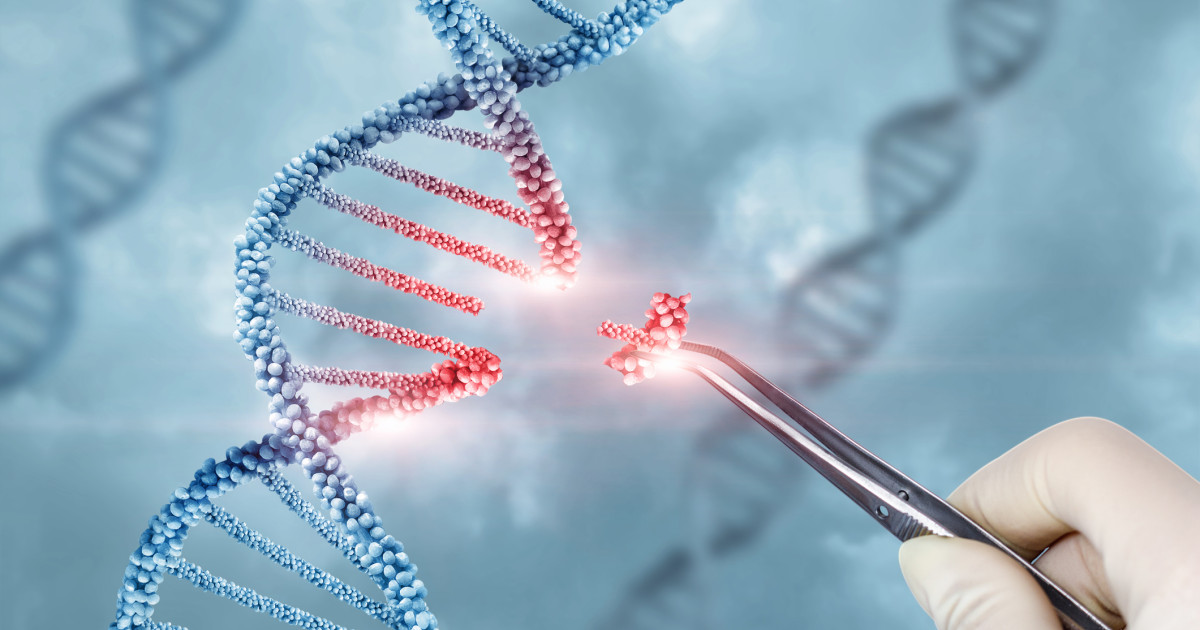
A new gene editing technique called “prime editing” has been tested for the first time directly in the body of a patient with Wilson’s disease, a hereditary condition that prevents the body from efficiently removing excess copper. The experimental procedure aims to correct the genetic mutation responsible for the disease. The method could reduce the cost and time required for gene treatments, but its effectiveness and safety must be further evaluated through clinical trials.
The premiere is part of the testing of a technology called “prime editing”, designed to modify DNA with more precision than some of the classic genetic editing methods based on CRISPR-Cas9, news.ro announces.
Cambridge, Mass.-based biotech company Prime Medicine this month conducted the first test on a patient with Wilson’s disease, a genetic condition that prevents the body from properly eliminating excess copper.
Wilson’s disease is caused by mutations in the ATP7B gene, which contains the instructions needed to produce a protein involved in the transport of copper and its elimination through bile. When the gene doesn’t work properly, copper can build up in the body, especially in the liver and nervous system, causing serious damage.
The experimental treatment aims to correct the genetic mutation in the liver cells so that the body can regain its ability to handle excess copper.
Genetic editing, done directly in the body
The main novelty consists in the fact that genetic intervention is carried out in vivothat is, directly in the patient’s body. In many gene therapies developed so far, cells are harvested, modified in the laboratory, and then reintroduced into the body. This approach is known as editing ex vivo.
By directly intervening in the body, researchers hope to reduce the number of steps required for treatment, as well as the costs associated with harvesting, processing and re-introducing the cells.
The “prime editing” technique uses a molecular system designed to modify specific DNA sequences without requiring, in its typical form, the cutting of both strands of the DNA molecule. This could allow the correction of certain mutations with more precise control over genetic modification.
However, technical precision does not eliminate all risks. Researchers must also evaluate the possibility of unwanted genetic changes, immune reactions and long-term effects of treatment.
Potential benefits, but also risks
In vivo gene editing could make certain therapies faster and more accessible, as it would no longer be necessary to extract cells and modify them individually in the laboratory. Instead, delivering the editing tools to the targeted cells and controlling the effects of the intervention in the body are important challenges.
To date, the clinical use of these technologies is evaluated through studies that must establish both the safety and effectiveness of the treatments. The results of a first test on a patient are not enough to demonstrate that a method can safely treat a disease or that it will be effective for the majority of affected people.
If studies confirm the benefits and identify ways to control the risks, gene editing directly in the body could become an alternative for treating hereditary conditions that currently have limited therapeutic options.
However, the development of these therapies is at an experimental stage, and eventual approval for widespread use will depend on the results of clinical trials and assessments by regulatory authorities.
Read also: The world’s first de-extinction process: Ancient wolves from the “Game of Thrones” series, brought back to life through genetic engineering