
A 13-year-old boy from the UK who suffers from severe epilepsy has become the first patient in the world to have a new device implanted in his skull to control seizures.
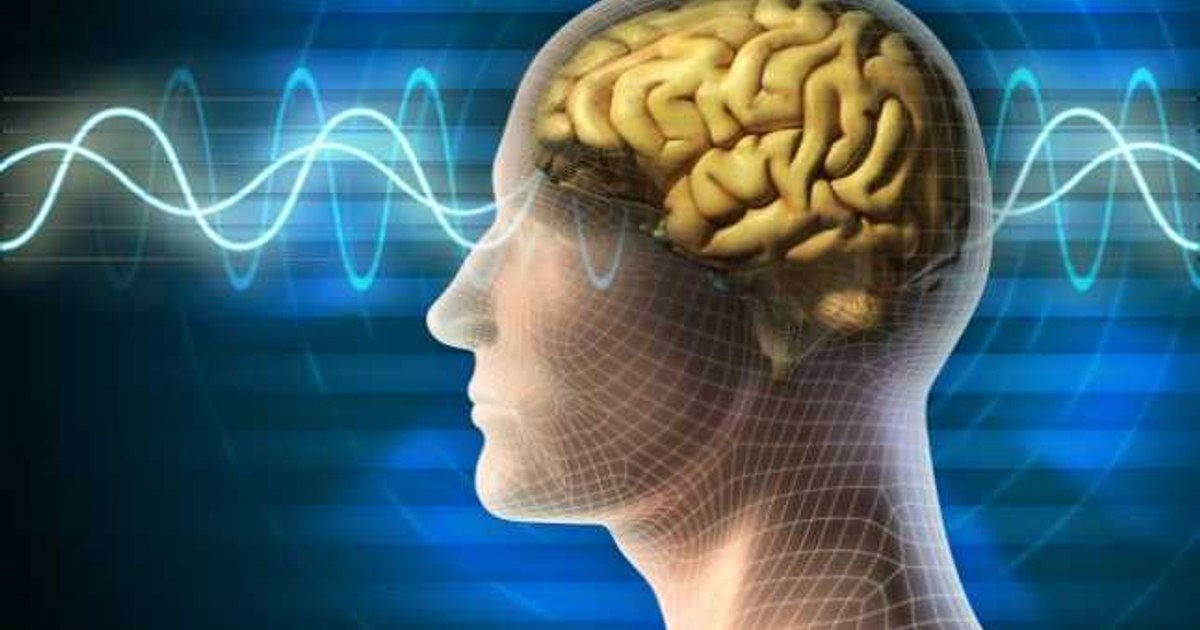
The electrical activity of people with epilepsy is “explosive”. PHOTO Archive
The neurostimulator, which sends electrical signals directly to his brain, reduced 13-year-old Oran Knowlson’s daytime seizures by 80 percent.
His mother told the BBC that the boy is happier and has a “much better quality of life”. The operation was carried out in October 2023 as part of a trial at Great Ormond Street Hospital in London, when Oran was 12.
Oran has Lennox-Gastaut syndrome, a form of treatment-resistant epilepsy, which he developed at the age of three. From then on his life became torturous.
“He stole his entire childhood. I had a pretty bright three year old and within months of the seizures starting he deteriorated rapidly and lost many skills“, said Justine, Oran’s mother.
As well as epilepsy, Oran has autism and ADHD, but Justine says the epilepsy is by far the biggest obstacle.
The neurotransmitter Picostim, which was implanted in the boy, is produced by the British company Amber Therapeutics.
How it works
Epileptic seizures are triggered by abnormal bursts of electrical activity in the brain, and the device, which emits a constant pulse of current, aims to block or interrupt the abnormal signals. The operation, which took about eight hours, took place in October 2023.
The team, led by consultant pediatric neurosurgeon Martin Tisdall, inserted two electrodes deep into Oran’s brain until they reached the thalamus, a key area for neural information.
Deep brain stimulation has been tried before for epilepsy in children, but until now neurostimulators were placed in the chest with wires running to the brain.
“We hope that this study will allow us to identify whether deep brain stimulation is an effective treatment for this severe type of epilepsy and also looks at a new type of device that is particularly useful in children because the implant is in the skull and not in the chest. Hopefully this will reduce potential complicationsDr. Martin Tisdall told the BBC.
In the future, the team plans to make the neurostimulator respond in real time to changes in patients’ brain activity in an attempt to block seizures.
