In Romania, one of the biggest problems in chronic hematological pathologies is late diagnosis. The difference between the estimated number of cases and those actually diagnosed, as well as the number of new cases estimated annually, indicates an underdiagnosis phenomenon that directly affects the chances of patients.
According to available data, there could be approximately 800 new cases of multiple myeloma annually, but according to the Romanian Society of Hematology, the actual incidence of diagnosed cases is 500 new cases per year.
The data show the existence of patients who are not diagnosed. In addition, not only multiple myeloma, but also other hematological diseases such as malignant lymphomas, chronic myeloproliferative syndromes and myelodysplastic syndromes are frequently diagnosed late. This reality reduces the chances of controlling the disease and puts additional pressure on the medical system.
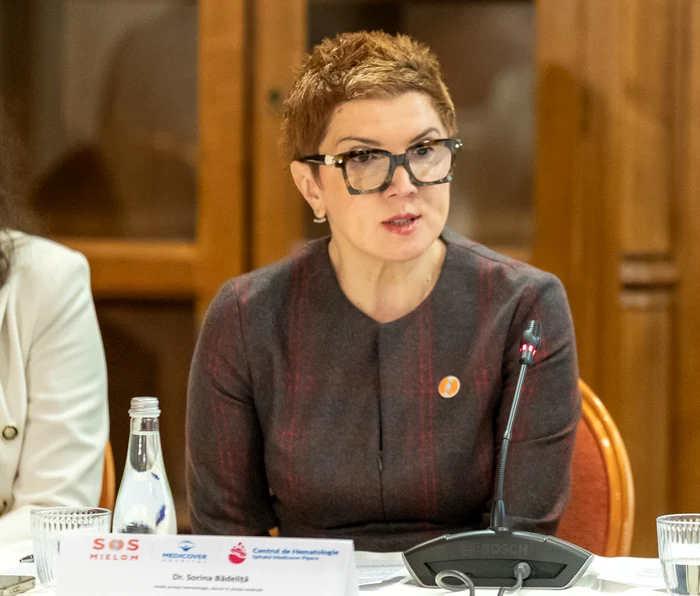
“In practice, we observe that more than 50% of patients with multiple myeloma are diagnosed in an advanced phase, with active disease. Many patients postpone the consultation for fear of the diagnosis”, explains Dr. Sorina Bădeliță, hematology primary physician and doctor of medical sciences.
Symptoms of multiple myeloma are often non-specific and can easily be ignored or attributed to other conditions. Among the most common are persistent fatigue, bone pain, repeated or severe infections, and anemia.
Routine tests are the first essential step in diagnosis. An altered blood count may raise suspicion and lead to further investigation and referral to a hematologist.
However, access to investigations remains a challenge. Family doctors cannot recommend the full electrophoresis and other tests needed for diagnosis for free, and the cost deters many patients. However, it is important for patients to know that, through the hematologist, diagnostic and treatment analyzes and investigations can be settled through CNAS.
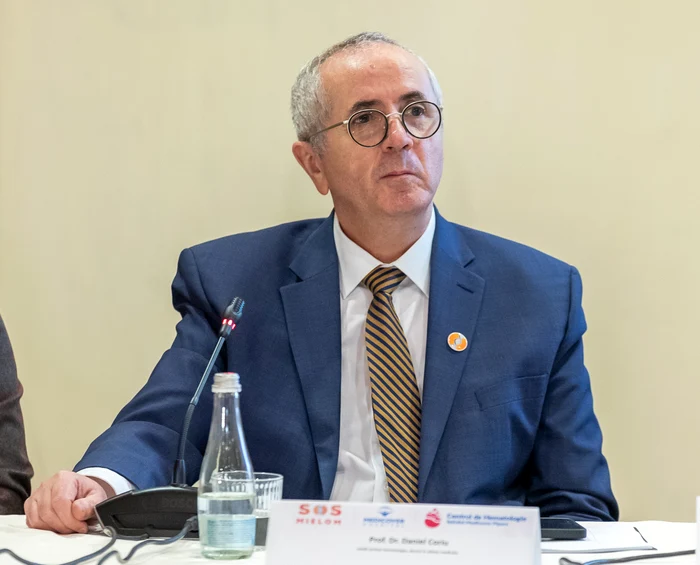
“Patients diagnosed with multiple myeloma and other chronic hematological diseases have free access to a complete diagnosis and access to modern treatments, settled through the National Oncology Program. But the time of diagnosis makes a difference for the chances and quality of life”, emphasizes Prof. Dr. Daniel Coriu, hematology primary physician, doctor of medical sciences.
For its part, the SOS Myeloma Association draws attention to the essential role of information. The lack of accessible information and a clear path for the patient directly contributes to late diagnosis.
“Many patients do not know when apparently trivial symptoms should send them to the doctor or what investigations to request. In Romania there is no uniform access to diagnosis and treatment, there are big differences between urban and rural environments or geographical areas. At the same time, after diagnosis, an integrated management of the disease is essential. Collaboration between the hematologist and other specialties can reduce delays and improve patient prognosis,”
explains Camelia Soceanu, President of the SOS Myeloma Association.