
Too much salt has long been accused of heart problems, but new research suggests that it could harm the brain.
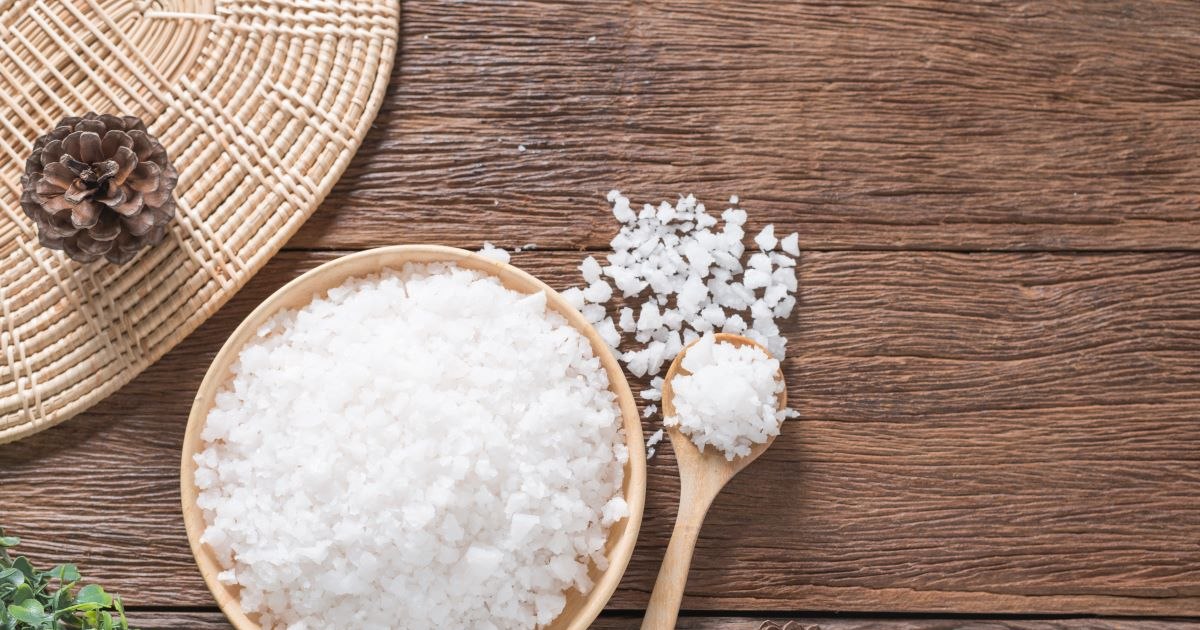
Salt can harm the brain. Photo archive
Scientists at the University of Medicine Nanjing have discovered a surprising connection between salt -rich diets and depression behaviors, explaining why depression rates continue to increase with our processed foods.
The research team found that excessive salt consumption triggers specific responses in the brain that can lead to depression similar behaviors. Their discoveries, published in The Journal of Immunology, offer a biological explanation for the previously observed connections between the consumption of processed foods and the mood disorders.
Depression affects millions of people worldwide, the prevalence throughout their lives reaching 15-18% in many populations. Modern western diets, especially fast-food food, contain much more sodium than homemade meals.
Salt-depression connection
During the study, mice fed with high salt diets had behaviors similar to those who are experiencing chronic stress. They explored less, expressed an increased anxiety and spent more time still during measuring tests “Behavioral despair”.
The researchers investigated the biological mechanisms behind these behavioral changes and came to the conclusion that salt-rich diets have increased significantly the production of interleukin-17a (IL-17a), an immune signaling molecule, especially in specialized immune cells called T Gamma Delta (γδt cells).
Previous research has linked the increased level of IL-17a of depression. To confirm this connection, the team of researchers has tested genetically modified mice that do not have the ability to produce IL-17A. These mice did not show signs of depression, despite the fact that they consumed high salt diets. Even more convincing, when the researchers removed the specific immune cells that produce IL-17A, the animals have not developed depression similar behaviors.
What does that mean to people
Although it is carried out on mice, research has convincing implications for human health. Studies on the population have already shown links between salt -rich diets and increased depression rates.
The average American diet contains about 3,400 mg of daily sodium – exceeding the maximum recommended by the American Heart Association of 2,300 mg. A single fast food table contains salt as much as the whole recommended amount to be consumed in a whole day.
Mediterranean diets, rich in fruits, vegetables, whole grains, olive oil and weak proteins, correlate with lower depression rates. In contrast, diets rich in processed foods, sugars and unhealthy fats tend to increase the risk of depression.
Simple ways to reduce salt consumption
Current depression treatments usually focus on neurotransmitter imbalances using drugs such as ASRS or on changing thinking patterns. The discovery that dietary factors could contribute to depression through immune pathways is an important change in how we could address mental health care, writes studyfinds.org.
The application of these findings does not necessarily require the expectation of new pharmaceutical treatments. Simple diet changes are accessible to most people:
- Reducing the contribution of processed foods
- Eating more meals cooked at home
- Checking food labels for sodium content
- Using herbs and spices instead of salt for flavoring
Some health professionals are already recommending the diet DASH (Dietary Approaches to Stop HyperTension) for patients with high blood pressure. This diet emphasizes fruits, vegetables, whole grains, low proteins and low sodium. This new research suggests that such approaches could also benefit from mental health.
Beyond the individual choices, these findings could influence public health policies on reducing sodium in processed foods. Some countries have already implemented such regulations: the Salt reduction program in the United Kingdom has obtained a 15% decrease in the average salt intake.
Although more research is required before the definitive conclusions about reducing salt consumption as a treatment for depression in humans, this study shows that what we eat affects both the body and the mind. For those who face depression, these findings do not suggest that dietary changes should replace consecrated treatments, such as therapy and drugs, but highlights diet as an important complementary factor in mental health.
