
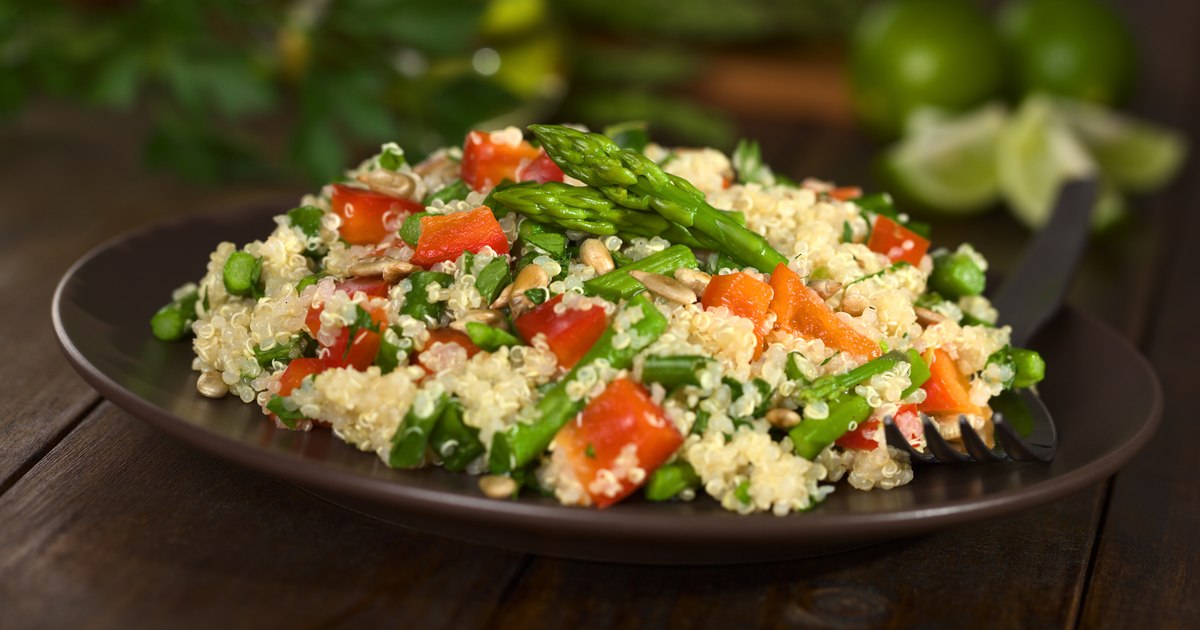
Quinoa, NASA’s grain of choice for space missions, is becoming increasingly popular on Earth as well. Rich in protein, vitamins and minerals, quinoa is considered a superfood with multiple health benefits.
Quinoa and asparagus salad. PHOTO Archive
Originally from the Andes, quinoa has been cultivated for centuries by indigenous peoples. In recent years, it has also conquered European palates, thanks to its exceptional nutritional profile.
Why is quinoa so special?
First, it’s an excellent source of plant-based protein, making it ideal for vegetarians and vegans. It is also rich in fiber, which helps maintain a healthy digestive system and the feeling of satiety. Quinoa also contains a variety of vitamins and minerals, such as iron, magnesium and zinc, essential for the optimal functioning of the body.
Quinoa has gained popularity in recent years as one of the most consumed superfoods in Europe. Whole grains, originating in the Andes, are distinguished by their exceptional nutritional profile, which balances proteins, fats and carbohydrates. Its culinary versatility and its ability to adapt to various dietary needs have allowed it to end up more and more often on the menu of many families. This is precisely why NASA uses it during long-duration space travel.
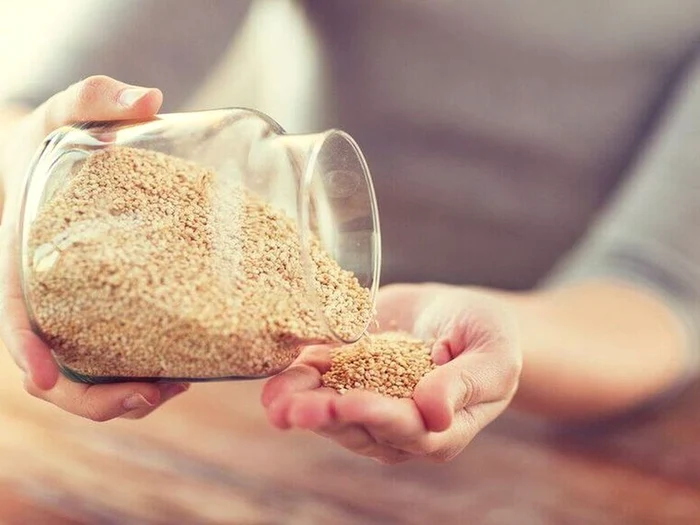
“It was NASA that propelled this relatively unknown grain with an exceptional composition that balances protein, fat and carbohydrates. It was intended for cultures for long-duration space travel. Its main benefit comes from the fact that most of its calories are provided in the form of complex carbohydrates. In addition, this superfood also provides about 16 grams of protein per 100 grams, making it a high protein food“, explains Salena Sainz, Spanish pharmacist and nutritionist, for 20minutos.
Builds muscle mass
According to Sainz, quinoa provides most of its calories in the form of complex carbohydrates and provides about 16 grams of protein per 100 grams. This makes it ideal for athletes as it helps build muscle mass and promotes recovery after exercise. Its high content of essential amino acids, such as lysine, arginine and cystine, contribute to the proper functioning of the muscular system and the repair of tissues damaged during intense physical activity.
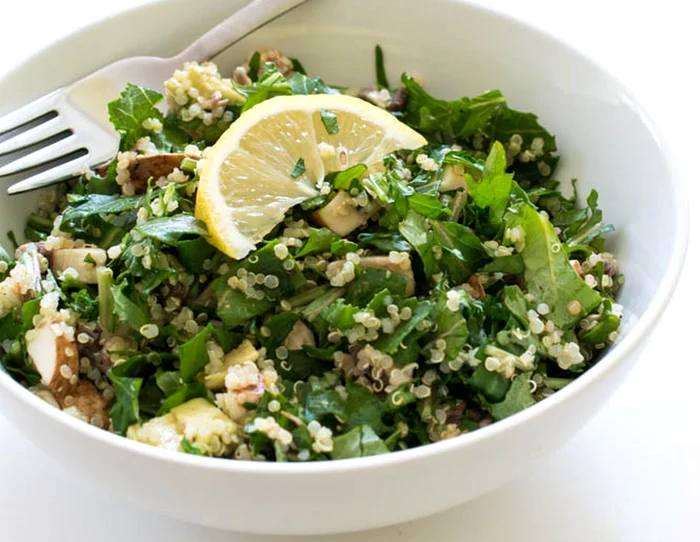
Also quinoa Rich in vitamins B, C and E, this superfood improves brain development and has anti-aging antioxidant properties. Vitamin B is essential for the proper functioning of the nervous system and the production of neurotransmitters, while vitamins C and E protect cells from oxidative damage caused by free radicals.
In addition, its high calcium content helps prevent decalcification of bones and teeth, strengthening the bone system and reducing the risk of osteoporosis in later life.
Beneficial intake for digestive health
Quinoa is also notable for its high fiber content, both soluble and insoluble. Soluble fiber helps regulate blood cholesterol levels and stabilize glucose levels, preventing insulin spikes. In turn, insoluble fibers favor intestinal transit, avoiding constipation and promoting good digestive health. In addition, fiber acts as a prebiotic, feeding the beneficial bacteria in the gut and strengthening the immune system.
Aid in weight control and cardiovascular health
Due to its fiber and protein content, quinoa promotes satiety, which facilitates weight control. By feeling fuller for longer, you reduce the need to eat between meals and avoid excessive calorie consumption. In addition, its low fat content and its intake of healthy fatty acids, such as linoleic acid, make it an excellent option for those who want to take care of their figure without giving up a nutritious diet.
Versatile in the kitchen. What can it be combined with?
In addition to its impressive nutritional properties, quinoa stands out for its versatility in the kitchen. Its pleasant, almond-tinged taste makes it a perfect ingredient for a wide range of dishes, from salads and stews to desserts and pastries. It can be eaten both cold and warm, and its texture makes it ideal to replace other grains such as rice or pasta.
Quinoa is also a great option for those with food intolerances or allergies because it is naturally gluten-free. This makes it a safe food for people with celiac disease or gluten sensitivity, allowing them to enjoy a varied and nutritious diet without compromising their health. Quinoa integrates perfectly into the Mediterranean diet and is combined with other typical superfoods, such as extra virgin olive oil, rich in monounsaturated fats and antioxidants, tomatoes, a source of lycopene and vitamin C, or red fruits, full of antioxidants and fiber.
