
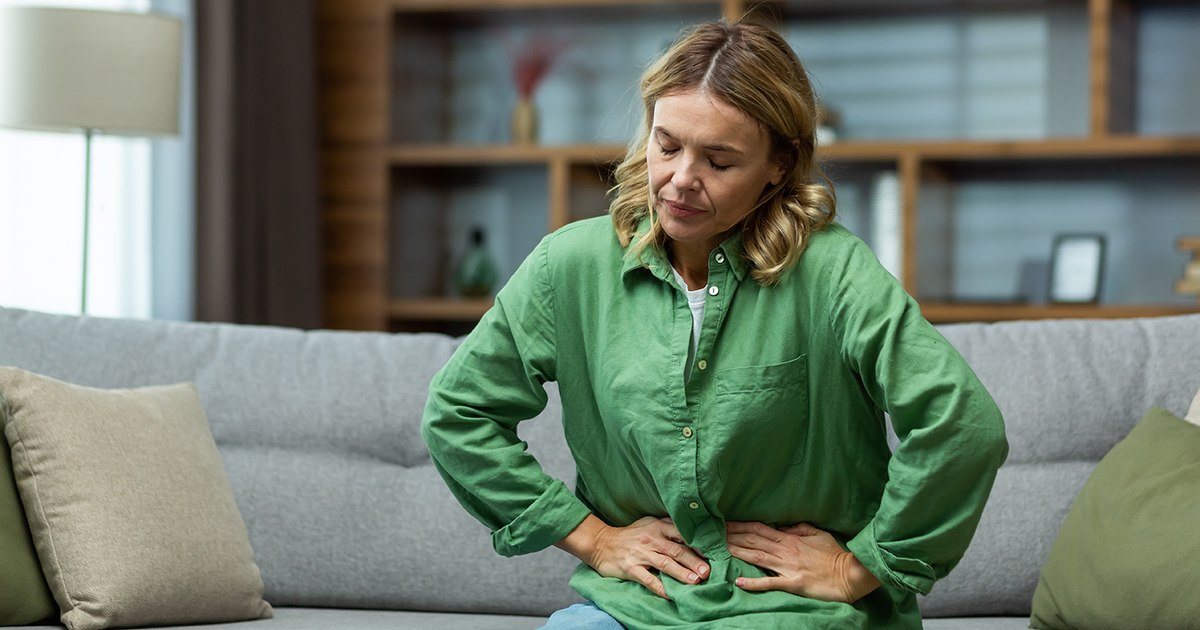
In perimenopause, the ovaries begin to produce fewer hormones, including estrogen and progesterone. Unpredictable fluctuations also occur. With this change in rhythm comes several physical and emotional changes:
“Estrogens are essential in the proper functioning of the entire female body, and the repercussions are from the composition of the hair, to the structure and bone density, including changes in the brain structure, affecting the cardiac, respiratory, muscular, genitourinary and tissue systems.
Progesterone is often the first to drop, leading to irregular cycles, increased anxiety, irritability, trouble sleeping, or feeling like we’re “living on the edge.”
Estradiol fluctuates, (sometimes too little, sometimes too much) – which can cause hot flashes, sensitivity to stress, migraines, weight gain in the abdominal area, emotional sensitivity, difficulty concentrating.
The consequences are not only physical, but also emotional and relational, as these hormones influence the neurotransmitters responsible for well-being – serotonin, dopamine, oxytocin. Thus, women may experience decreased energy, changes in sexual desire, a redefinition of identity. It is a time when I often hear from clients <
what to do
“The first step is education. Knowing what’s going on in your body brings you peace of mind and informed choices. Then, I always work with three pillars: – mental (emotional/relational), eating habits and implementing or maintaining physical movement routines”explains Nora Neghină. Because he specializes in menopause, as a psychotherapist he focuses on several key steps:
– Awarenesswhich may include monitoring symptoms, understanding emotions, honest discussions about relationships, stress, sleep, or processing trauma (if applicable);
– CHOICE transformative actions: sleep hygiene (essential!), adapted nutrition (more protein, fiber, less sugar and alcohol), exercise, especially strength and balance training, emotional regulation techniques from mindfulness and body-centered therapy;
– Maintaining resultswhich goes mostly in the direction of connecting with the community and nurturing important relationships
The psychotherapist emphasizes that, as perimenopause advances, women also need endocrinological or gynecological consultation, “for discussing treatments, including hormone replacement therapy, which for many women is a game changer.”
“Listen to your body, don’t punish it”
Even if society has evolved, the topic of perimenopause still sometimes carries a stigma, says Nora Neghină. And it speaks of serious social consequences from this point of view.
,, In Romania (and not only), we can say that the climacteric transition still carries the stigma of “the end” – the end of femininity, of sexuality, of social utility. It’s a mixture of shame, taboo and lack of information, compounded by the fact that many women don’t feel seen or heard in the medical system, in the main. And that’s not to say that many are harassed at work or in private circles,” attracts the psychotherapist’s attention.
The good thing is that at the same time, communities have developed that openly discuss menopause.
“There is Ilena Badiu’s community “I’m in menopause”, which gathers around thirty thousand members, there are many other groups and communities in social media on topics such as hormone replacement and menopause, events, conferences, podcasts, etc. are organized, and in recent years around 20 specialist books have been published and translated”says Nora Neghină.
After years dedicated to the topic and guiding women towards hormonal and emotional balance, the psychotherapist comes with an encouraging message:
“Nothing happens to you that you cannot overcome or go through and not emerge victorious. It’s a time to be gentle with yourself, prioritize, and not have unrealistic expectations. Your body doesn’t break down, it just transforms. Listen to him, don’t punish him. Ask for help, ask questions, educate yourself!”
Resources such as support or scientific communities can help women navigate through this stage with grace and strength, says Nora Neghină. Which also comes with a call to action:
“Hope exists, but hope without action is just an illusion! And the action starts with a simple gesture: let’s stop being ashamed to talk about our own bodies and experiences”.
Health
Top articles

Our partners

digi24.ro
stirileprotv.ro

gandul.ro

mediafax.ro

fanat.ro
libertatea.ro
digi24.ro
gsp.ro

digisport.ro

stiripesurse.ro
antena3.ro

observernews.ro

cancan.ro

prosport.ro

playtech.ro

fanat.ro

newspapers.com
digisport.ro
stiripesurse.ro
kanald.ro

playtech.ro

wowbiz.ro

romaniatv.net

mediaflux.ro
gsp.ro





Latest news
The most read
