
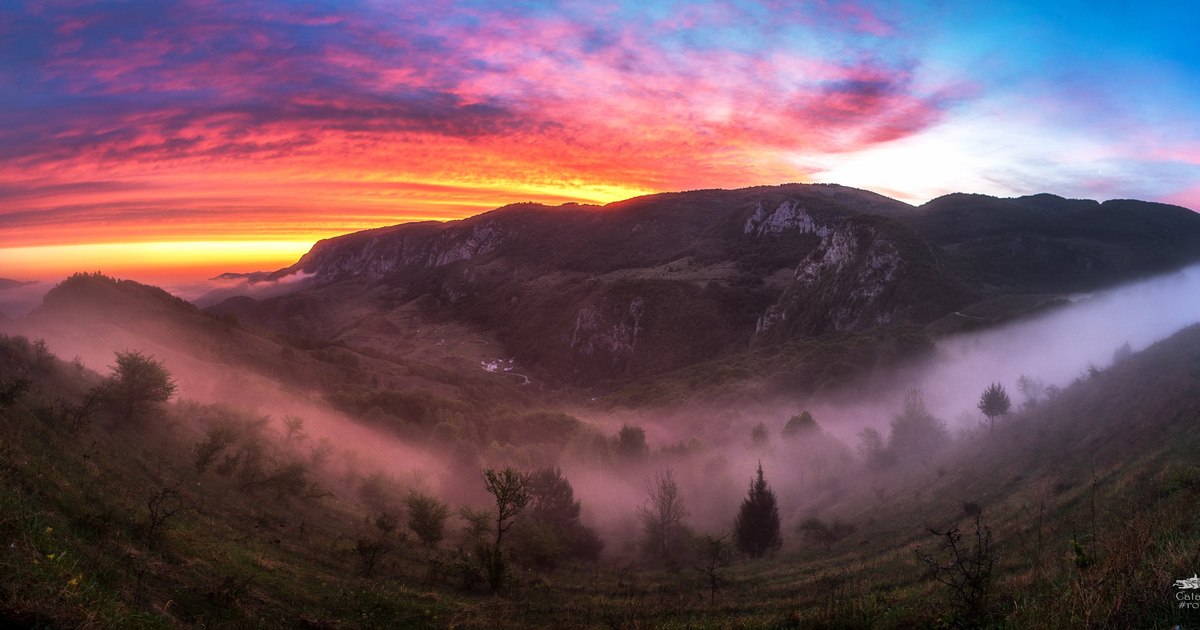
Every year, around September 22/23, the northern hemisphere marks a fascinating phenomenon: the autumn equinox. The day and night have about the same duration, and the sun rises and sets exactly to the east and west, regardless of latitude. In 2025, this magic moment will take place on September 22, at 9:19 pm in Romania.
The magic of autumn equinox when the day and night meet and become equal source Cătălin Vezitiu
But what does the equinox really mean? Why, with the approach of winter, the days become shorter? How does this phenomenon influence our lives, from changing the time to habits and superstitions transmitted from generation to generation? In the following lines you will discover clear astronomical explanations, fascinating stories about the symbolism of the equinox and popular traditions that still bind us to the rhythms of nature.
What does the equinox mean and where the term comes from
The term has a fascinating history. The word “equinox“It comes from French “Équinoxe”inherited from Latin “AEQUINOCIUM”combining “Aequus” – equal and “Nox” – Night. As the name says, the autumn equinox marks the moment when the sun is aligning over the equator, being the rare moment when the day and night are equal.
In these hours, time seems to hold their breath: light and darkness divide the world perfectly, 12 hours each.
Why in winter there are shorter days: astronomical explanation
After the equinox, the northern hemisphere begins to receive less direct light. It is all due to the inclination of the axis of the earth and its movement of revolution around the sun. The sun climbs less in the sky, rises later and sets earlier. The result? Shorter days and more and more nights.
This phenomenon continues until December 21, when the winter solstice takes place – the shortest and longest day of the year. Only after this moment, the light begins to regain land, and spring gradually announces its proximity.
What happens after autumn equinox: winter time and shorter days
Immediately after the equinox, the changes are felt: the mornings become colder, the evenings are lengthens, and the light hours during the day begin to be visible.
Between September 23 and December 21, the northern hemisphere is inclined to the dark, and the temperatures drop progressively.
Another important landmark is the transition to winter time. In 2025, it will take place on the night of October 25/26. At 4:00, the watches are back at 3:00. We earn an hour of sleep, but we lose light: the days seem shorter, and the evenings come much earlier.
Superstitions, symbolism and traditions of equinox: the day when light and darkness meet
Beyond the astronomical explanations, the autumn equinox has always been loaded with mystery and significance. In folklore, it is seen as a gate between worlds: between light and darkness, between the past and the future.
In the Romanian villages, the day, which this year falls on September 22, was marked by habits meant to bring abundance and protection:
- The households beat the nuts and shook the apples and gutters to gather rich fruit;
- On the table were placed apples, nuts and grapes, symbols of abundance;
- The first must from the freshly harvested grapes were prepared;
- The seeds planted now were considered fate bearers for the next crop;
- Parents avoided arguing their children to ensure their luck and well-being;
- The households lit small fires in the gardens, to drive away evil spirits and protect the earth;
- At the gates, the heels of the doors or windows were put on walnuts, hazelnuts or basil, to keep the diseases and negative energies at a distance.
Superstitions said who passes through the forests or fields on this day risks “To disturb the spirits of autumn”. Instead, whoever tasted the symbolic fruits was considered blessed for the following months.
Lesson of autumn equinox: why winter days become shorter
The equinox reminds us that time is not in place and that light and darkness are part of the same fragile balance. It is a moment of reflection, cleaning of old thoughts and habits and reconnection with nature.
The answer is simple: in winter, the days are shorter because the northern hemisphere of the Earth is leaning away from the sun, and the light reaches us less directly. After the autumn equinox, nature enters its pace of preparation for rest, and the traditions and symbols of this season show us that change, no matter how dark it may seem, is always followed by light.
In conclusion: the shorter days of winter are not a mystery, but the result of a perfect harmony between the axis of the earth, its movement around the sun and the natural cycles that surround us – and the autumn equinox is the magic gate that reminds us to look carefully at these changes.
