
A healthy diet means a diversified diet, in which animal and vegetable protein sources alternate. “Ideally, in a week we should eat meat at most three times, fish at least twice and vegetable proteins at least three to five times“, claims Dr. Mihaela Bilic.
Proteins are the strength of the body PHOTO: Mihaela Bilic/FB
“Proteins, the body's strength. We can think of proteins as the building blocks of the human body. They are the basic element of all living cells, organs and tissues are made of them. We find them concentrated in muscles and bones, skin and hair. Proteins represent approximately 20% of the total weight, i.e. 10-12 kg in the case of an adult. Collagen, elastin and keratin are examples of proteins”writes the nutritionist, Mihaela Bilic, on her Facebook page.
In addition to the structural role, proteins also have a functional role: they enter into the composition of hormones, enzymes, hemoglobin, neuro mediators and antibodies, claims Dr. Bilic.
“Proteins are large molecules composed of long chains of amino acids. Our body does not have reserves of amino acids and the needs are permanent, so the diet must ensure an optimal daily intake of proteins. This is an average of one gram of protein/kg body/day. In case of intense physical activity, in pregnant women, in growing children or in people convalescing after an illness, the need for protein is greater”explains the nutritionist.
What types of proteins are there?
The quality and efficiency of a protein depends on the sequence of amino acids that go into its composition.
“There are 20 amino acids divided into 2 groups: essential amino acids in number of 9, which cannot be synthesized in the body and must be obtained from food; the remaining 11 are non-essential amino acids, which can be manufactured by the body. Proteins are made up of 10 to 2000 amino acids. In order for the body to be able to manufacture proteins internally (endogenously), we need an external (exogenous) supply of proteins from food”says Dr. Mihaela Bilic.
There are two types of proteins in nature: of animal origin, found in meat, fish, eggs, cheese; are complete, quality I proteins with all essential amino acids present; of plant origin, found in cereals (wheat, corn), legumes (soy, beans, peas, lentils) and oilseeds (nuts, almonds, seeds); they are incomplete proteins, of the 2nd quality, from which one or more essential amino acids are missing.
According to the nutritionist, it is proven that proteins of animal origin are easier to digest and have increased bioefficiency.
“When it comes to vegetarians or those who are fasting there is the following recommendation: combine cereals (low in lysine) with legumes (low in methionine). Eat at the same meal or on the same day rice with peas, corn with beans or bread with hummus – only in this way will the essential amino acid requirements be covered”the doctor explains.
“High Quality” Protein Foods
Mihaela Bilic also published a ranking that highlights the amount, diversity and balance of amino acids present in a food. It is called the biological value of proteins, and the reference index, with the highest value, is given to egg proteins.
“In the egg we have reference proteins, called
What happens to proteins in cooking?
Heat coagulates and hardens them (for example, chicken breast is pink and soft raw and becomes white and firm after cooking). It is ideal to cook meat and fish indoors, with moist heat (for example: braising, steaming or baking with a small amount of liquid).
“Meat cooked medium is tastier and proteins are easier to digest. Attention, we can digest proteins of animal origin and in their raw state, not thermally processed. The only exception is the egg white, which cannot be consumed raw, but must be cooked, well coagulated”says Dr. Bilic.
Consequently, a healthy diet means a diversified diet, in which animal and vegetable protein sources alternate.
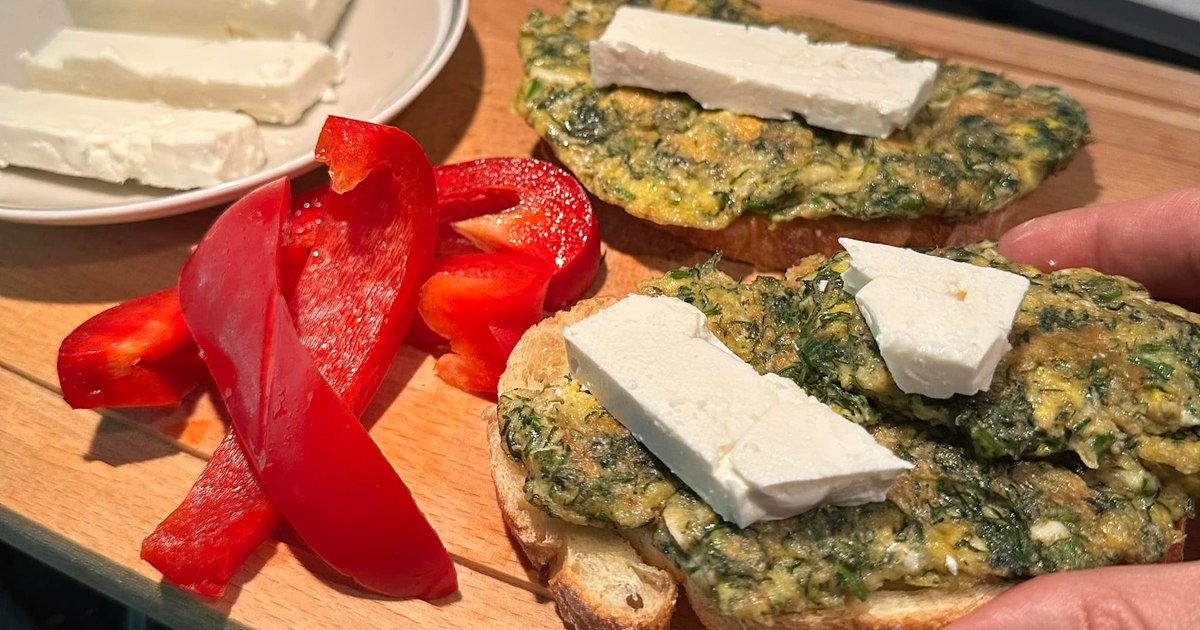
“Ideally, in a week we should consume meat at most three times, fish at least twice and vegetable proteins at least three to five times. And if we're still talking about protein, I made myself a protein concentrate: omelette with cheese…and a bit of dill!” the nutritionist concluded.
