
Researchers have tried to find out what is the most dangerous chemical in the world for humans. After analyzing several substances, they came to an unexpected conclusion: the danger may be greater or less depending on how they are stored and used.
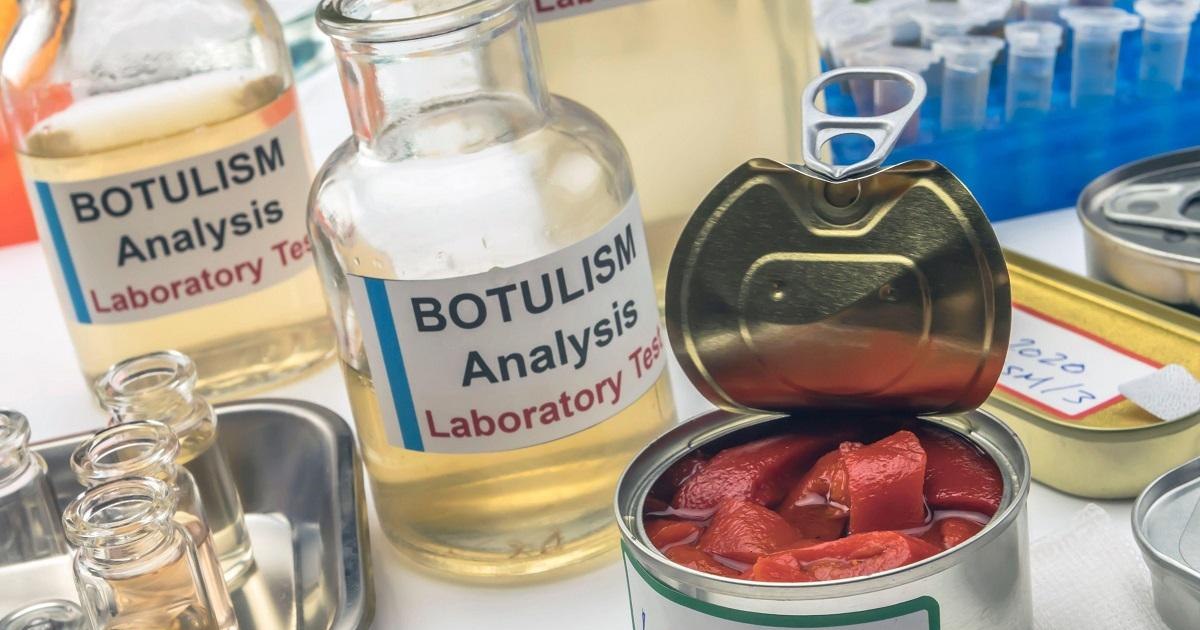
Botulinum toxin, a poison produced by the bacterium Clostridium botulinum PHOTO: Profi media
Botulinum toxin, a poison produced by the bacterium Clostridium botulinum, is considered the most toxic natural substance on Earth, blocking nerve signals to muscles to cause death by paralysis, writes Live Science
Similarly, the powerful nerve agent VX, developed as a chemical weapon by the British military, also suffocates its victims by paralyzing the respiratory muscles. Chlorine trifluoride, a colorless ultra-corrosive gas, is so reactive that it spontaneously explodes on contact with seemingly harmless materials such as water, sand, and even the ashes of substances that have already burned.
Neurotoxins are generally considered the most toxic chemical weapons because of their devastatingly rapid impact on the human body: just 10 milligrams of VX is enough to cause death within minutes. However, only one person has been killed by said agent in the last decade. The secret lies in the way of storage and use.
“Even a very dangerous chemical poses no risk if there is no exposure”a spokesperson for the European Chemicals Agency in Finland told Live Science.
Botulinum toxin, VX, and chlorine trifluoride are therefore extremely dangerous, but have very, very low risks to the average person.
“Some hazardous chemicals are also essential to our health in small doses. Qwhile at higher exposures they can be lethal”, the spokesperson added,
Common table salt is a great example. The small amount in our diets is vital to maintain the correct ion balance in our bodies, but in larger amounts it can cause serious health problems such as high blood pressure and heart failure.
Anything can become dangerous if not handled properly
Even trying to determine which chemicals are the most dangerous is fraught with difficulty because there are so many ways they could cause harm.
In the European Union, classification, labeling and packaging regulations define nine hazardous characteristics, including toxic, explosive and corrosive.
For example, although chlorine is a common disinfectant in swimming pools today, the concentrated gas was used as a chemical weapon in World War I and caused both chemical burns and respiratory irritation.
However, the key difference is that pools only include a small amount of chlorine, and this small amount is dissolved in the water.
The bottom line is that safety is often within our control. Anything can become dangerous if not handled properly, but there are steps we can take to reduce the likelihood of injury.
“The most important thing is to know exactly what the dangers are and what you can do to minimize the risk,” said Richard Webb, a specialist in the Faculty of Chemistry at Cardiff University.
