
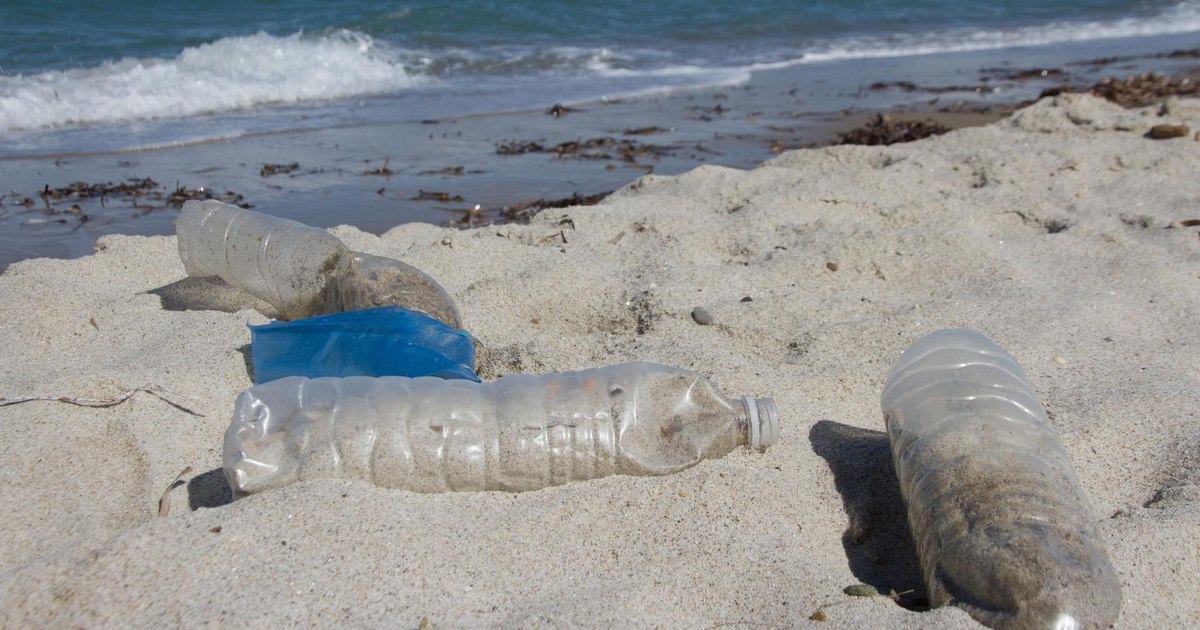
The Mediterranean Sea is a big toxic soup. A July 2024 report by the World Wide Fund for Nature (WWF) shows that more than 87% of the Mediterranean Sea, which stretches from the Atlantic Ocean to Africa, is full of microplastics and other harmful pollutants, including heavy metals and industrial chemicals , according to CNN.
Pollution in the Mediterranean Sea, an extremely serious problem. WWF PHOTO
This situation has a negative impact on the 150 million people who live along the Mediterranean coast and on the 270 million tourists who visit the area annually.
The Mediterranean Sea washes 46,000 kilometers of coastline in 22 countries with different environmental standards and practices. Egypt, with 0.25 million tons of plastic thrown away annually, is the biggest polluter, followed by Turkey (0.11 million tons) and Italy (0.04 million tons). These figures add up to an alarming 1.9 million pieces of plastic per square metre.
Microplastics also end up on the plate
Medical experts consulted for the WWF report warn that people can ingest microplastics from the aquatic environment by eating fish and seafood. The report states that a person can ingest over 840 microplastics per year just from eating three commercial fish species (labrada and two types of mackerel). The amount increases significantly when eating clams or mussels.
Pollution in the Mediterranean Sea, an extremely serious problem. WWF PHOTO
Pierluigi Capozzi, owner of the Mediterraneo restaurant in Ostia, near Rome, observes the behavior of tourists with concern.
“Maybe 50 years ago we didn’t know what we know about now pollution and plastic,” he tells CNN.
“But I see young people throwing plastic bottles into the sea, trash on the beach, cigarettes, all the waste without any problem“. However, he also sees a ray of hope. Ten years ago, the sand in front of his restaurant was full of chemicals from cargo ships. “Thanks to better regulations, that chemical pollution is now gone“, he adds.
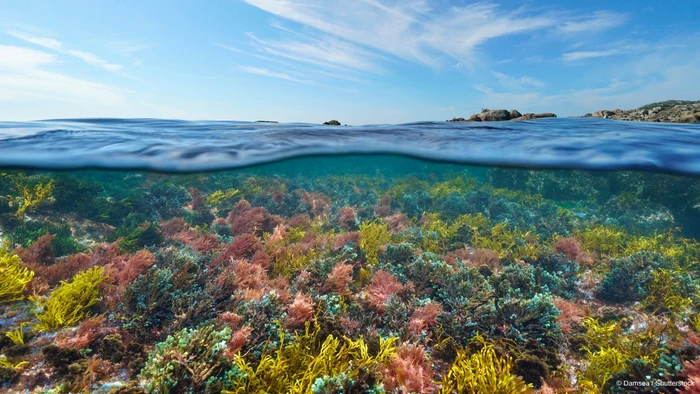
The Mediterranean Sea is an important reservoir of marine flora and fauna. Unfortunately, severe pollution seriously affects the ecosystem. Although it covers only 0.7% of the world’s ocean surface, the Mediterranean Sea is home to 7.5% of the marine fauna and 18% of the global marine flora.
Fishing is a €4.6 billion industry in the Mediterranean, and pollution has dramatically affected the income of the 180,000 people who depend on fishing for a living. The UN Environment Program warns that fishing in the Mediterranean has declined by 34% in the last 50 years, due to overexploitation of resources and plastic in the water.
“About 730 tons of plastic waste ends up in the Mediterranean every day. Plastic waste accounts for 95 to 100% of floating marine litter and 50% of litter on the seabed. In tonnage, plastic could exceed fish stocks,” shows the WWF.
A 2023 study by the Marine Conservation Institute of Greece examined 25 marine animals, including eight dolphins, two monk seals and 15 sea turtles, and found microplastic pollutants in all of them. “Notably, among other types of plastic, a total of 10,639 microplastic fibers were detected in the gastrointestinal tracts of dead marine mammals and turtles“.
Raffaele Marfella, professor of advanced sciences at Vanvitelli University in Naples, says plastic pollution is a global problem that goes beyond environmental damage.
Citing a recent article in the New England Journal of Medicine, he points to the link between microplastics and nanoplastics known as MNPs and certain cardiovascular diseases.
“Current knowledge suggests that MNPs can enter the bloodstream through ingestion or inhalation, triggering inflammation and oxidative stress. Over time, chronic exposure to MNP can accelerate the progression of atherosclerosis and increase the likelihood of cardiovascular events.”
Plastic pollution is considered permanent.
