
Lately there has been an increase in scamming activities around the Olympic Games, with fraudsters targeting users’ money and data.
Fraudsters target Olympic fans’ money and data. Photo by Shutterstock
To understand how scammers exploit the interest of viewers, Kaspersky experts analyzed phishing websites related to the Olympic Games and identified the main schemes currently in use.
Fake tickets
With the Olympic Committee warning about fake ticket offers and news of the scam involving the family of a UK swimmer losing £2,500 while trying to buy tickets for the Paris Olympics, Kaspersky telemetry confirms that scammers are actively creating phishing sites. These sites offer tickets for Olympic competitions at “exclusive” prices or claim to have seats for sold-out events. This well-tested but effective fraudulent scheme has resurfaced in many Olympic seasons, and Kaspersky experts expect such websites to proliferate during the Paris 2024 Olympics. In this scenario, users fill out a data form and they transfer both their personal information and money to scammers. Instead, they may receive invalid tickets or, more likely, nothing at all, leading to financial loss and their data being sold on Dark Web forums.
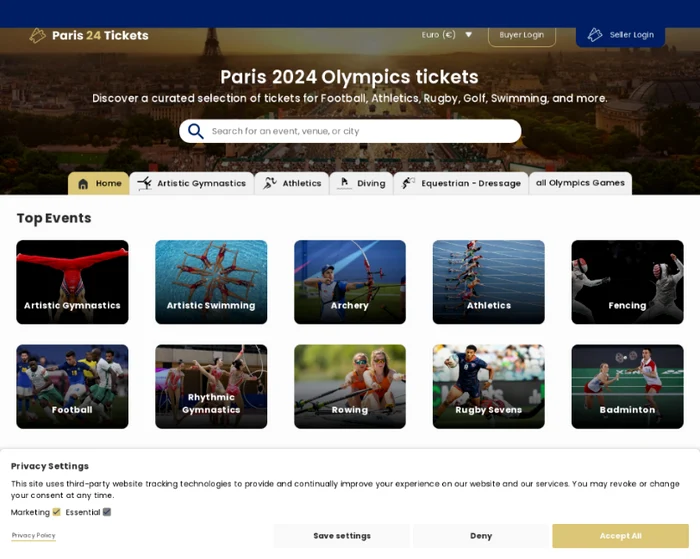
An example of a phishing page offering tickets to the Olympics
Fake corporate giveaways
Many organizations hold raffles with ticketed prizes for their employees, partners and customers during major events. Kaspersky experts recently discovered a fraudulent page impersonating a French bank, falsely promising a chance to win tickets to the event. Employees are prompted to fill out a form with personal details, including their internet account login credentials and passwords. This allows fraudsters to infiltrate victims’ corporate resources and potentially spread malicious content.
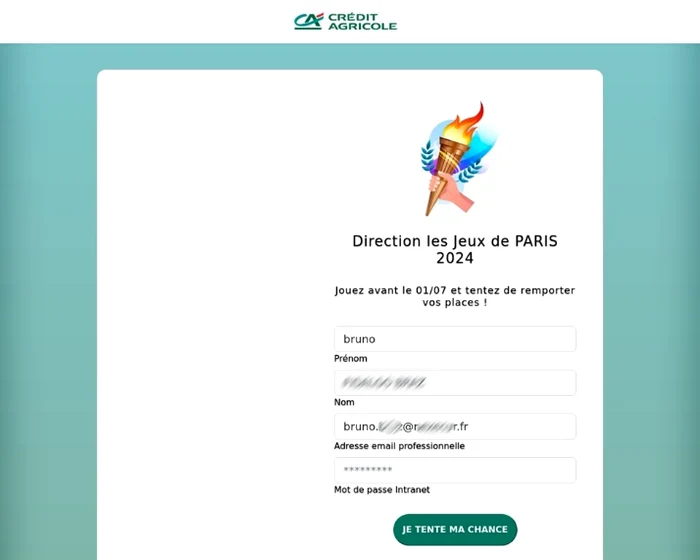
Another example of a phishing page offering tickets to the Olympics
Fake stores
Kaspersky experts also discovered fraudulent online stores selling goods such as shirts, uniforms, accessories and more emblazoned with Olympic Games insignia. Needless to say, those who were lured by these offers never received the items they ordered.
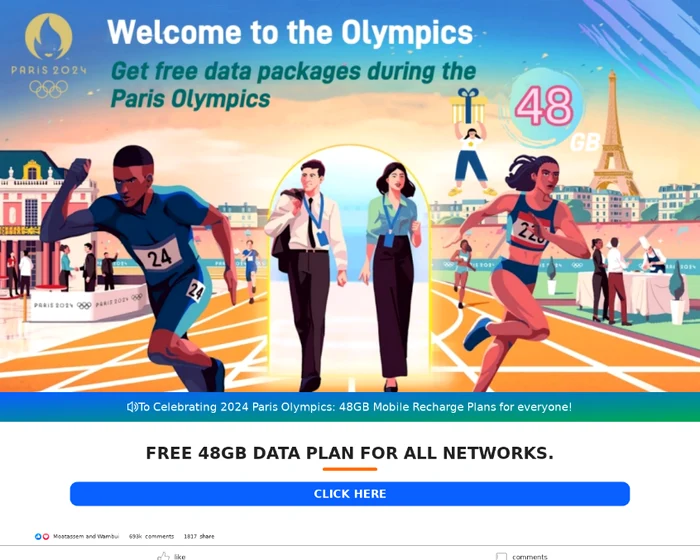
Fraudsters have created phishing websites that offer a free 48GB data plan for all networks. These sites lure users into providing personal information such as phone numbers and payment details under the guise of activating the data package. Once submitted, this information is harvested for malicious purposes, leading to potential financial losses and privacy violations.
To protect yourself from scams during the Olympics, experts advise you to:
• Check authenticity: Buy tickets, goods or services only from official and reputable sources. Check the official event website for authorized vendors.
• Be skeptical of offers: If an offer seems too good to be true, it probably is. Be wary of deep discounts and exclusive offers, especially if they come from unknown sources.
• Protect your data: Avoid sharing personal and financial information on unknown websites. Make sure the website is secure by looking for “https” in the URL and a lock symbol in the browser bar.
• Use security software: Keep your antivirus and security software up to date to protect against malware and phishing attacks.
• Educate yourself: Find out about common scam tactics and how to recognize them. Follow updates from cyber security experts and official sources.
