
Two feature films for all ages and a selection of short films for children will have descriptive subtitles and interpretation in Romanian sign language. The organizers will soon announce the full schedule of inclusive film screenings and how people with disabilities can reserve seats for free.
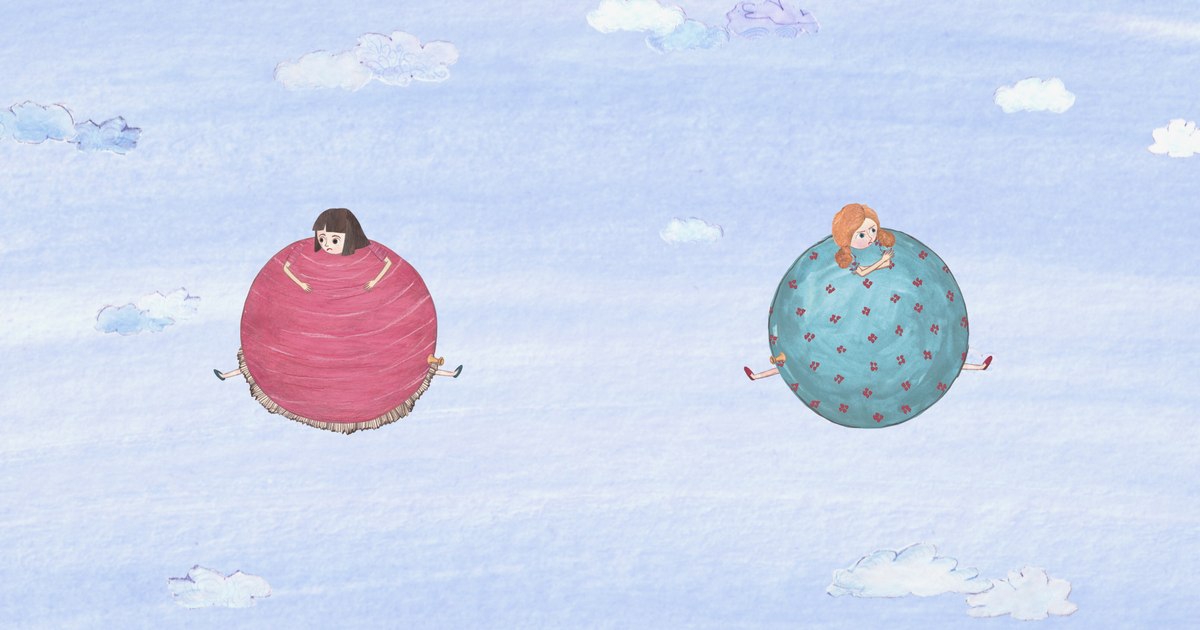
The movie “Don’t Blow It Up”, part of the Animest selection
Friendship, diversity, management of emotions, relationships between siblings, respect for nature, confidence in one’s own strength and perseverance are the main themes that accessible educational short films bring to the attention of young viewers. The titles of the selection include Don’t Blow It Up (dir. Alžběta Mačáková Mišejková, Czech Republic), My Name Is Fear (dir. Eliza Płocieniak-Alvarez, Germany) and Entre deux sœurs (dir. Anne-Sophie Gousset and Clément Céard, France), each with several nominations or awards at prestigious international festivals, such as ECFA European Children’s Film Association, Annecy or Berlinale. One of the successful international feature films to be made accessible by Animest is Leo, the great inventor / The Inventor (dir. Jim Capobianco and Pierre-Luc Granjon), which had its world premiere in competition at Annecy and was nominated for the 2024 Annie Awards. The story of the genius Leonardo da Vinci, in a stop-motion animation film for all ages, will be released in cinemas in Romania in autumn by YAY Films.
“If you’re the parent of a deaf child and want to take them to the movies, you’re in for a treat. If you are a teacher of deaf children and want to use films for educational purposes, you are still in the air. You probably didn’t even consider such plans, because movies are for those who see and hear, right? Not. They are for everyone. They just need to be made accessible. This is what we dealt with and continue to deal with this summer, to welcome children in the fall with films for every need or ability. Not only the children, but we started with the short films dedicated to them. We make films accessible through subtitles adapted to children’s ability to understand and read, but also through Romanian sign language, which for many is their mother tongue. Thus, viewers have barrier-free access to films, can understand them more easily and can fully enjoy them“, said Ligia Soare, the coordinator of the accessibility project.
The films from Animest.19 are accessible within the “Eyes and Ears” project, a project implemented by the Animest Association with the support of the Orange Foundation through “The World through Color and Sound”, the largest funding program dedicated to people with sensory impairments in Romania.
The accessible educational short films will be offered free of charge throughout the school year, throughout Romania, online on the Animest platform, including descriptive subtitles in Romanian and interpretation in Romanian sign language. Each film will be accompanied by educational materials by age category, for students between 6 and 18 years old. Beyond the screenings within Animest, they will be able to be used by all cinemas in the country that want to organize inclusive film screenings, but also by teachers who work with children with hearing disabilities.
“When we teach, we use our hands, our face, our posture, to convey notions, knowledge, but also emotions to the children through sign language. My role is to make the words visible, but also the feelings. With well-chosen films as support, learning becomes easier, more efficient, more dynamic, more enjoyable.”, said Adela Laura Șerban, special psychopedagogy teacher at the Special High School for the Deaf no. 1 from Bucharest, partner school in the accessibility project initiated by the Animest Association.
It is the first accessibility project of the Animest Association and the first initiative of a film festival in Romania to organize film screenings adapted for hearing-impaired people. The organizers of Animest aim, in the long term, to transform the festival into an inclusive one, accessible to as diverse an audience as possible. Beyond the accessible animations included in the program of this edition, the festival will include a presentation dedicated to the organizers of cultural events, in which the most important lines to follow in making films accessible and using them for educational purposes will be presented. Also during the festival, there will also be the launch of a descriptive subtitle guide in Romanian for the accessibility of films for deaf viewers, which will bring together general rules adapted to the needs of Romanian viewers, with a chapter dedicated to films for children.
The initiators of the project are campaigning for an inclusive culture, making it accessible for people with disabilities, with their involvement and consultation.
Accessible message in Romanian sign language: https://bit.ly/OchiSiUrechi-Animest19
