
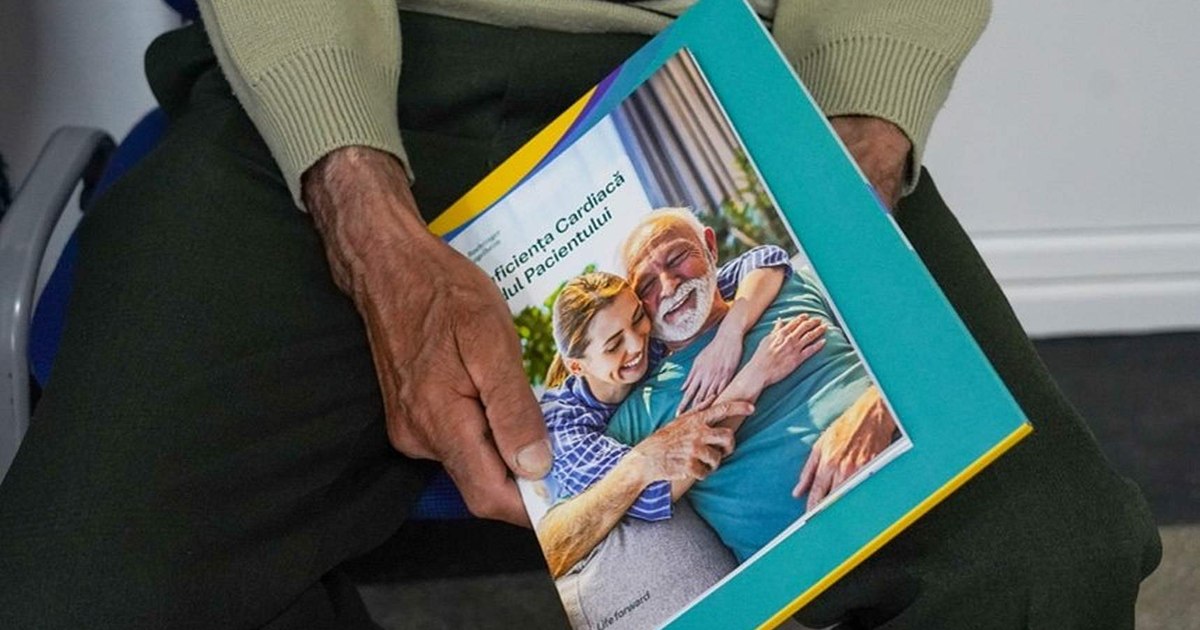
The national campaign #FărăDiabet, implemented by Caravana cu Medici, evaluated 3,138 people in six months, in rural communities, and documented what happens when screening moves directly to the patient.
The #FărăDiabet campaign is organized by Caravana cu Medici, a non-governmental organization founded in 2014, with over 200 medical caravans organized in ten years of activity. The project is supported by Boehringer Ingelheim Romania through a grant of 1.1 million euros, awarded through the SD4G – Sustainable Development for Generations global program. Romania is the first country in the European Union to receive a financing fund under this program.
Romania has approximately 1.8 million people diagnosed with diabetes, but specialists estimate that a significant number of cases remain undiagnosed. The national campaign #WithoutDiabetes started from a practical question: what happens if the medical system no longer waits for the patient, but looks for him where he lives?
6 months after the launch, the campaign presented the first results.
33 caravans. 3,138 patients evaluated.
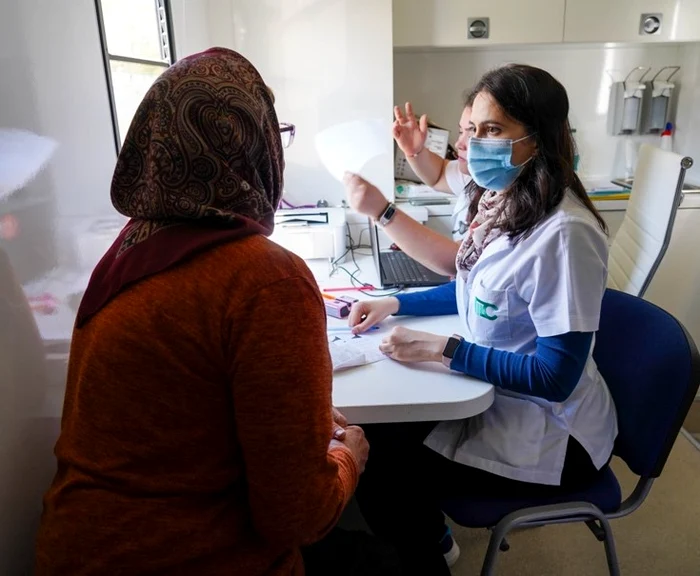
Between October 2025 and March 2026, The Medici Caravan, supported by Boehringer Ingelheimorganized 33 mobile medical caravans that reached rural communities across the country. The evaluations included glycemic testing and medical consultations, free of charge, without travel to a medical center.
The partnership plays an essential role in the implementation of medical caravans, facilitating the mobilization of resources, expertise and infrastructure needed to effectively reach vulnerable populations. Thanks to the collaboration between public authorities, professional organizations, the private sector and civil society, the 33 caravans provided integrated prevention, screening and health education services, contributing to the early detection of diseases, connecting those diagnosed with specialists and reducing inequalities in access to care.
Of the 3,138 patients evaluated, 1,174, or about one in three, had prediabetes. Another 472, i.e. one in seven patients, already had confirmed diabetes. Of these, 109 received a diagnosis for the first time during the campaign, and 90 had uncontrolled diabetes.
Along with the screening performed, the doctors also identified other associated conditions in the patients. Specifically, it is dyslipidemia detected in 72% of the patients, that is, almost three out of four, hypertension in 57% and obesity in almost 40% of the evaluated people.
A network of specialists and a continuous circuit of care
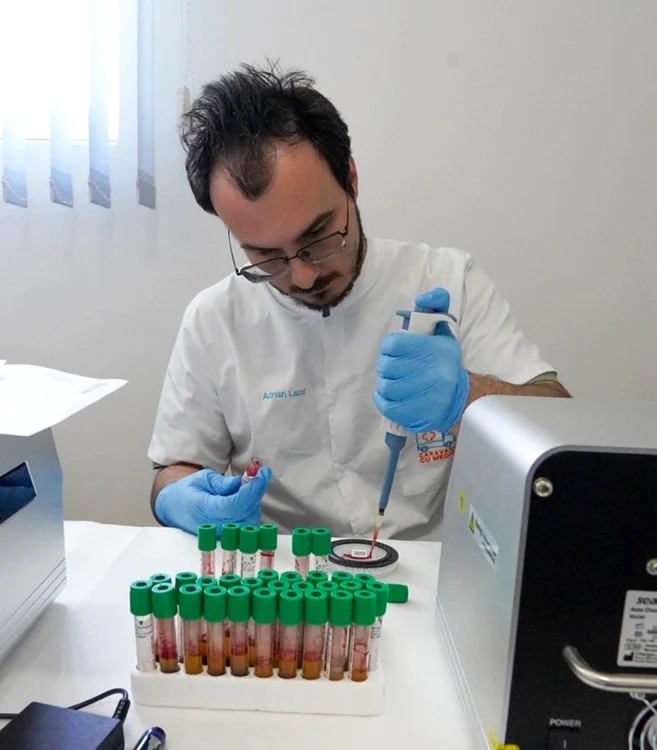
Patient identification is the first step. The second is keeping him in the medical system after the caravan leaves the community. The #DiabetFree campaign has simultaneously built a digital platform through which detected patients are registered according to GDPR standards and can subsequently be contacted by specialist doctors for checks at regular intervals. Patients newly diagnosed with diabetes are directed towards integration into the National Diabetes Program and benefit from navigation through a dedicated call center, access to their own digital medical file and an SMS alert system. To date, 34 diabetologists have enrolled in the network out of the 80 targeted as the final goal of the project.
“From the beginning we knew that this campaign responds to a real need: rural Romanians do not have access to screening and, without it, they do not have access to diagnosis. Caravana cu Medici has built a mechanism that does not stop at testing, but accompanies the patient from the first consultation to the follow-up of the treatment and the monitoring of the health status in the long term. Boehringer Ingelheim supports this approach because prevention and early diagnosis are the only tools that really reduce the burden of diabetes, both for patient, as well as for the healthcare system”, said Vasiliki Tsagaraki, General Manager of Boehringer Ingelheim Romania.
Round tables and 175 trained nurses
The third pillar of the campaign aims to prepare the local medical ecosystem to receive and continue patient care after each caravan.
The campaign organized two regional round tables, in Craiova in February and in Cluj-Napoca in March, with 73 participants: diabetologists, family doctors, community assistants, representatives of county hospitals, insurance companies and patient associations.
The participants formulated direct recommendations, from needs identified in the field to concrete proposals for the health system. Diabetes must be treated as a real public health priority, not as an isolated medical problem.
Access to a doctor remains the main difficulty for Romanian patients, and medical human resources in the territory are insufficient and unevenly distributed. On the solutions side, the participants identified primary screening as the first line of investigation, with a direct role in reducing public costs, creating a National Diabetes Registry, institutionalizing mobile medical caravans, debureaucratizing and digitizing the medical record and creating an institutionalized circuit of care for patients with diabetes.
175 community nurses participated in training webinars organized after each round table, with topics covering early detection, community management, patient communication and patients’ rights in rural areas. From a questionnaire completed by 163 participants, 89.6% rated the workshop as very relevant to their daily work.
What’s next?
The #FărăDiabet campaign continues until the end of 2026. Nine more regional round tables are scheduled, in cities such as Iași, Timișoara, Constanța, Brașov, Oradea and Sibiu, new screening caravans and a stated objective: transforming the model into a replicable protocol, institutionally assumed, applicable to other chronic diseases.
