
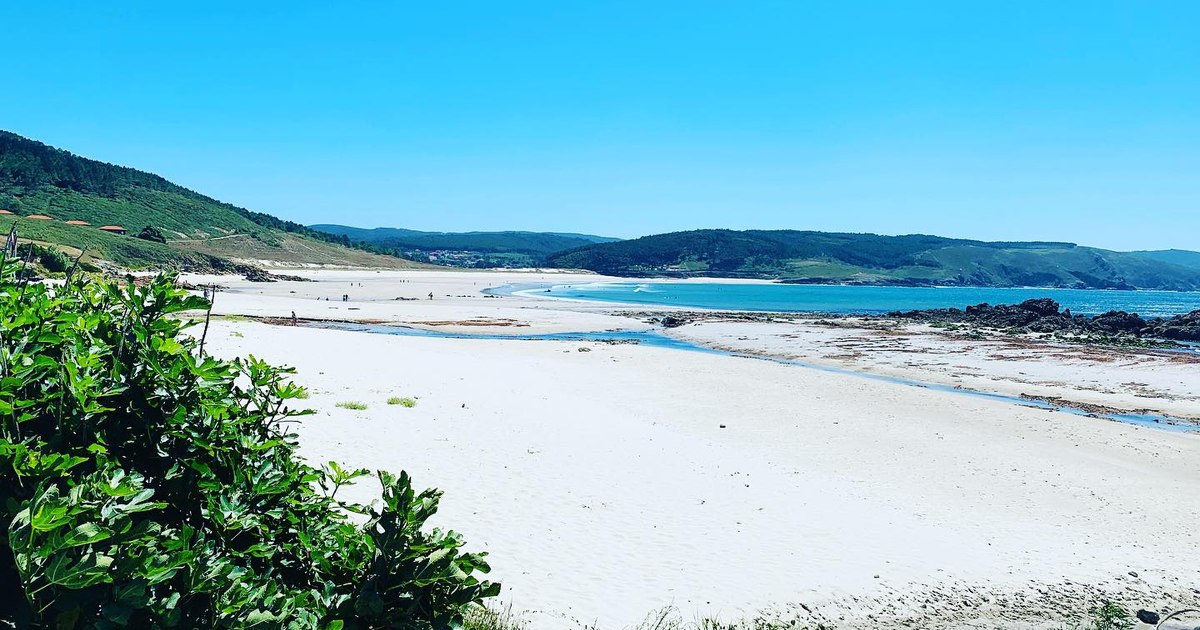
Costa da Morte is a splendid place in the region of Galicia, Spain. The area is steeped in history, and tourists are greeted with fine food and wine, spectacular beaches and dreamy walks.
Praia de Nemina, Galicia region PHOTO: Praia de Nemina/Facebook
Despite the dramatic name, Costa da Morte is “a laid-back world of fishing villages, white-sand beaches and laid-back surfers”writes The Telegraph, which presents the “Secret Seaside” series – lesser-known corners of Europe, untouched by mass tourism.
Many Spaniards rank beautiful and verdant Galicia among the country’s most spectacular beach destinations, but this northwest region, lapped by the deep blue Atlantic, still feels a long way from Mediterranean shores.
Wild and unspoilt stretches of pearly white sand rest between windswept cliffs along the 930 miles of coastline bordering Portugal and Asturias, while surfers are drawn to some of Spain’s best waves .
One of Galicia’s most beautiful coastal spots is Praia de Nemina, a 1.5km long beach of beauty tucked away between the fishing towns of Muxia and Fisterra on the dramatic Costa da Morte, just over an hour’s drive from A Coruna or Santiago de Compostela. Reached by a narrow road that descends through eucalyptus and pine forests and green fields, Nemina has only a few summer surf schools, an ocean-view restaurant, a few scenic benches and an outdoor shower for rinsing off.
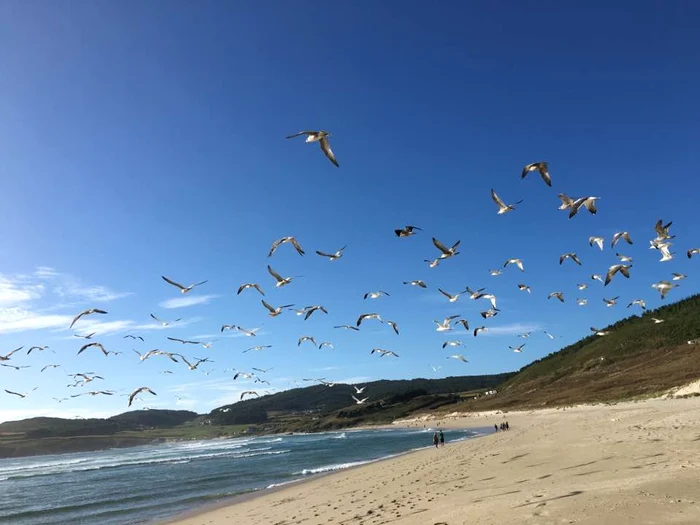
Fascinating beaches PHOTO: Praia de Nemina/Facebook
The southern end of the beach is framed by the winding Ria de Lires estuary, beyond which you’ll see the pretty village of Lires, with granite granaries and pastel-hued hydrangeas.
Nearby are a number of other stone-walled villages offering popular local seafood restaurants and a handful of small, relaxed, independent accommodation, including Muxia.
About seven miles north of Nemina, Muxia is best known for the 18th-century Santuario da Virxe da Barca, a restored oceanfront church with a long history of St. James, whose tomb is believed to be it is in the famous cathedral of Santiago.
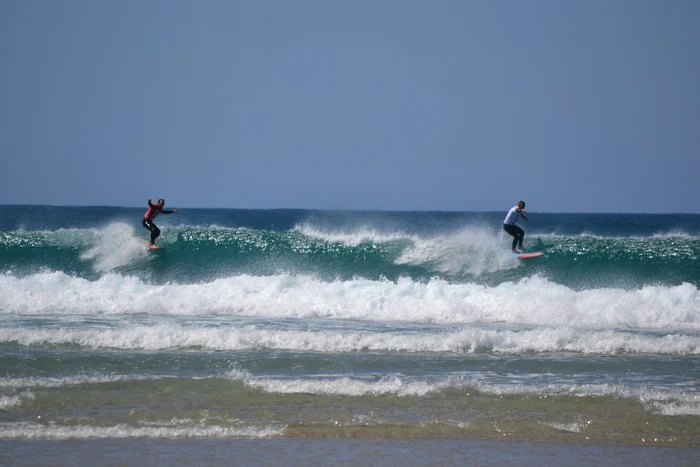
The place attracts sufferers from all over the world PHOTO: Plaja de Nemina/Facebook
As well as attracting salty-haired surfers and beachgoers, the rugged stretch of coastline around Nemiña is also a hiker’s paradise. The 125-mile Camiño dos Faros (Way of the Lighthouses) winds its way along cliffs, beaches and isolated lighthouse headlands from Malpica de Bergantiños to Cabo Fisterra, making it one of the most rewarding walking routes of on the coast of Spain.
The demanding long-distance route is officially divided into eight stages, making it also ideal for shorter walks and day hikes, and the ever-changing coastal scenery amazes wherever you go.
The sections that run both north and south of Nemiña are some of the most inspiring parts of the entire Camino dos Faros, especially around Cabo Tourinan, just north of Nemina. This rocky promontory marks the westernmost point in mainland Spain, with its original 19th-century lighthouse still standing, alongside a more modern replacement. Some pilgrims on the Camino de Santiago continue from Santiago de Compostela to the church of Muxia or the lighthouse of Fisterra (another 19th-century creation). Emina, Muxia is best known for the 18th-century Santuario da Virxe da Barca, a restored oceanfront church with a long history linked to Saint James, whose tomb is believed to be in Santiago’s famous cathedral.
Beyond Nemina, you’ll find other happy coastal stretches at beaches like Praia do Lago, near Muxia, or Praia do Rostro and Praia do Mar de Fora, near Fisterra, although due to the strong currents the latter two are more places for walking on the beach than for swimming.
The Costa da Morte is also one of the best regions in Spain for extremely fresh seafood, so Galician classics such as polbo a feira (paprika flavored octopus) and percebes (goose scallops) , is a highlight of any trip here.
Most traditional dishes go best with a glass or two of albarino, Galicia’s deliciously fresh and fruity white wine.
How do you get there?
Praia de Nemina is just over an hour’s drive from both Santiago de Compostela and A Coruña, which have flights to/from London Gatwick with Vueling. Ryanair also has flights between London Stansted and Santiago. The best way to explore is by hiking or driving. If you’re arriving by public transport, Fisterra is the main hub in the area, with daily buses to Santiago and A Coruna.
Where to stay on a budget
The family-owned Casa Fontequeiroso is located in the interior of the island, a short distance from Nemina Beach. It has six rooms with stone walls and balconies overlooking the sprawling greenery. Home-style Galician cuisine is a highlight, from fresh seafood from the Costa da Morte to lovingly prepared breakfasts with country bread, local cheeses and freshly made tortillas (double rooms from €63, with breakfast included).
The elegant Parador Costa da Morte overlooks Muxia and the Atlantic Ocean, and the Camino dos Faros passes right by the door. Built on a sloping hillside, it has rooms with soothing light, a spa with contemporary design and a tempting infinity pool (double rooms from €138, breakfast included).
Where to eat
Cross the Lires for classic Galician fare, including seafood tapas, bocadillos (stuffed rolls) and grilled steaks at As Eiras.
In the fishing port of Muxia, Lonxa d’Alvaro specializes in elegant Galician menus of local-style octopus, fresh grilled fish and rice dishes filled with seafood.
In Fisterra, Etel & Pan prepare delicious burgers, bocadillos and light snacks using local ingredients.
