
New research shows that poor dental hygiene could significantly increase the risk of head and neck cancer. The scientists came to the conclusion after analyzing the diets, lifestyle and medical history of a significant number of people.
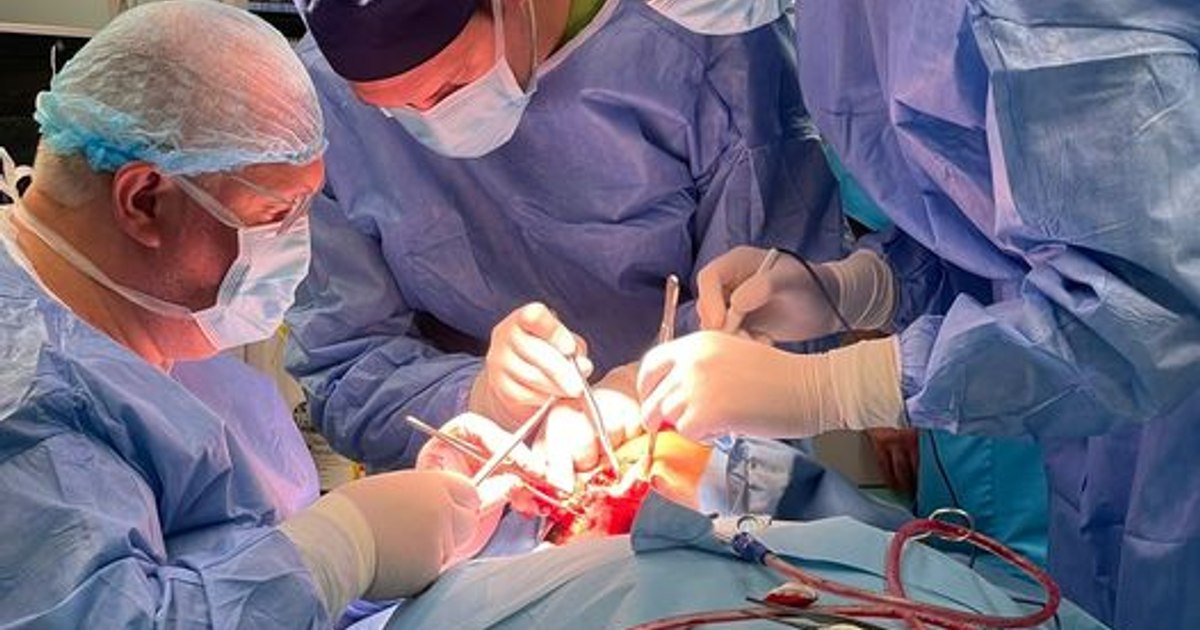
There are 30 areas of the head/neck where tumors can develop. PHOTO Oradea county hospital
American researchers have found that there are more than a dozen types of bacteria in the mouth that could increase the risk of squamous cell carcinoma of the head and neck by 50% according to The Sun.
“Our results provide yet another reason to maintain good oral hygiene habits. Brushing and flossing can not only help prevent periodontal disease, but also protect against head and neck cancer.”says the study’s author, Professor Richard Hayes, from New York University (NYU):
There are around 13,000 new cases of head and neck cancer every year – or 35 every day – and the number is increasing by 30% every decade, experts warn.
Symptoms go unnoticed, which means that the disease is often diagnosed at an advanced stage. In addition, there are more than 30 areas of the head and neck where tumors can develop, which can make them difficult to detect.
What are squamous cells?
But it’s worth noting that nine out of ten head and neck cancers start in squamous cells, according to Macmillan Cancer Support. Squamous cells are flat, skin-like cells that line the lining of the mouth, nose, larynx, thyroid, and throat.
Although oral cancers are most often diagnosed in older adults, they are also becoming more common in younger people. Previous research has suggested that the human papillomavirus (HPV) is the cause of this increase (more and more research in Europe and the US is showing the involvement of the HPV virus in the increase in oral and throat cancer cases).
In the current study, published in JAMA Oncology, researchers analyzed the diets, lifestyle and medical history of 160,000 people in the US.
Study volunteers were asked to rinse with mouthwash and provide saliva samples that were then preserved and tested to determine the number and types of microbes present.
After a 15-year follow-up, 236 participants were diagnosed with squamous cell carcinoma of the head and neck.
The scientists compared the oral microbial DNA of those with the disease to that of another 458 participants who had not suffered from cancer and concluded that there is a link between poor dental hygiene and an increased risk of head and neck cancer.
Even though the study did not establish a direct cause-and-effect link between bacteria and cancer, its results are important to researchers.
“Now that we have identified the key bacteria that can contribute to this disease, we plan to explore the mechanisms that allow them to do so and what ways we can best intervene“said the co-author of the study.
