
The removal of tonsillitis, especially at a young age, a fairly common procedure in Romania, can lead to mental disorders in adult life. At least that’s what a study conducted on a significant sample of specialists in China and Sweden shows.
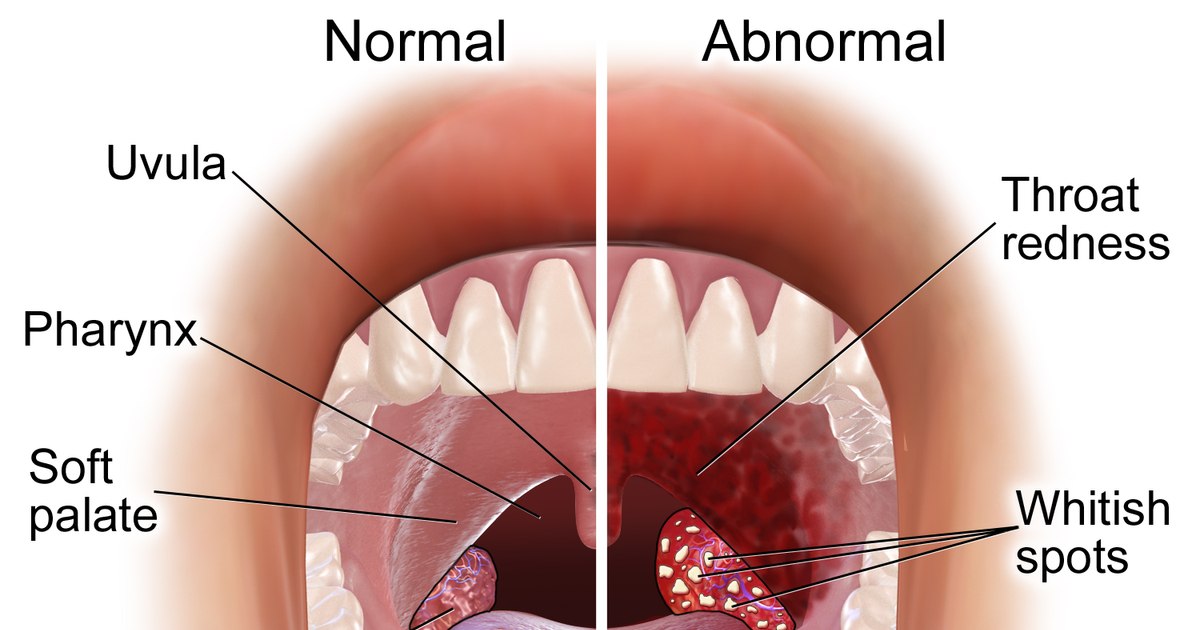
Tonsillitis can become a serious problem PHOTO wikipedia
Tonsillitis is one of the most common ailments encountered in children, especially in the cold season. It is an inflammation of the tonsils, which are two oval-shaped masses of tissue located at the back of the throat. The symptoms are well known, sore throat, difficulty swallowing. If it is not treated properly, it can lead to acute tonsillitis, which means an infection in the tonsils that requires antibiotic treatment. If tonsillitis episodes are rare and caused mainly by the seasonality of colds, it’s not such a big deal, doctors say.
Problems arise when tonsillitis becomes a chronic problem, with frequent inflammations that obstruct the airways and become a continuous source of infection. In those cases, in many countries of the world, tonsillectomy is practiced, that is, surgical removal of the tonsils. In Romania, at least, two or three decades ago, the tonsils were removed quite quickly when they showed signs of repeated infection. New studies show, however, that this tonsillectomy is a procedure that can leave lifelong sequelae. That is, say the Swedish and Chinese specialists, it can lead, in adult life, to a greater predisposition to disorders such as anxiety or depression.
Children operated on tonsils, adults prone to mental disorders
Chinese specialists from the Guangxi Medical University, in China, as well as the Swedish ones from the Karolinska Institute, conducted a study on a sample of over one million people to see what is the effect of childhood tonsillectomy on adult life. After analyzing the data, they realized that those who had tonsil surgery in childhood have a 43% higher risk compared to others regarding the appearance of psychological disorders such as post-traumatic stress, depression and anxiety. “These findings suggest a potential role for amygdala disorders in the development of stress-related disorders”the researchers show in the mentioned paper.
In particular, people with surgically removed tonsils in childhood show a high predisposition to post-traumatic stress. About 55% of those with PTSD have their tonsils removed in childhood. These disorders also occur more than two decades after the operation. That is, if a child performs this operation at the age of 5, for example, the effects of the disorders can be seen only at the age of 25. “We have noticed that the risk of developing stress-based disorders can occur more than 20 years after tonsillectomy”the researchers write in that paper.
Tonsils, a natural barrier to infection
However, the study also does not indicate the causes of a greater predisposition to mental disorders in people who had their tonsils surgically removed in childhood. There are specialists who, however, come up with several hypotheses. For example, the persistent inflammation that can occur after tonsillectomy can be a cause of anxiety later in life. Additionally, without the tonsils, which are a barrier to infection, we could be more vulnerable. Other studies suggest that tonsil removal may also have links to autoimmune diseases or cancer. At the moment, tonsillitis removal remains only an extreme solution. Otherwise, antibiotics can solve the problem more simply.
