
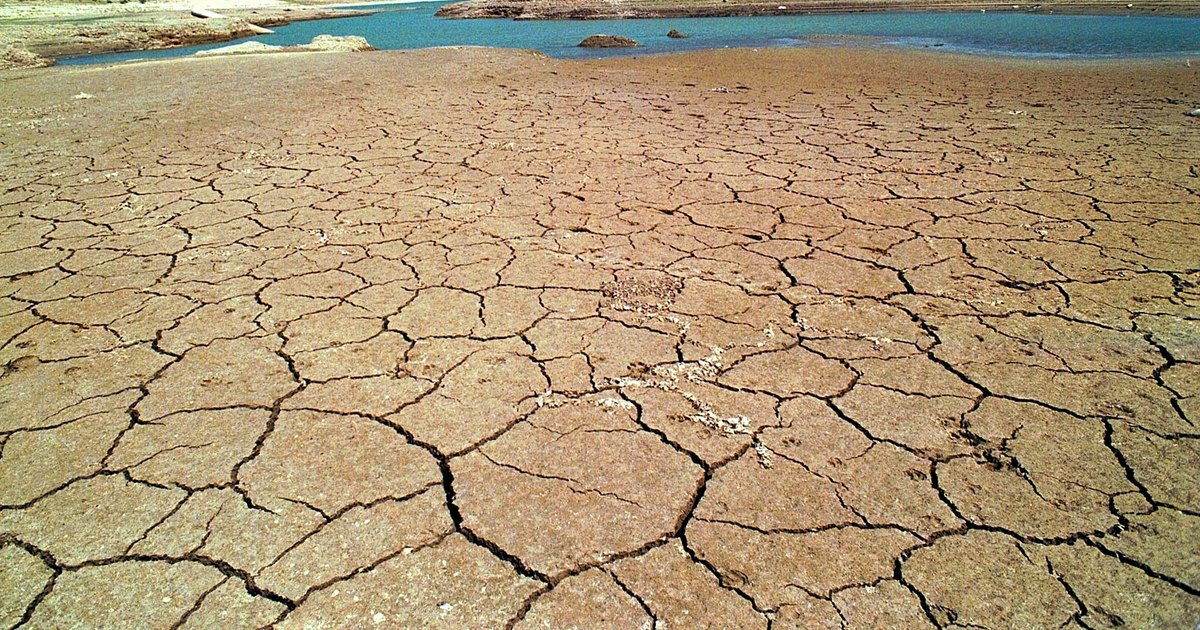
Every person on the globe was exposed to six more weeks of extreme heat in 2024, according to The Guardian.
PHOTO: EPA
According to an analysis by the World Weather Attribution (WWA) and Climate Central, the human effects of excessive heat are much worse for residents of certain areas. For example, those living in the Caribbean and Pacific islands are the most affected. Many of them endured around 150 days of extra heat.
The global average, on the other hand, is two more months of excessively high temperatures endured by humans.
Worsening heat waves are the deadliest consequence of the climate emergency. Scientists have said it is essential to end the burning of coal, oil and gas to prevent the effects from worsening, with 2024 predicted to be the hottest year on record with record carbon emissions.
Researchers have questioned the underreporting of deaths from excessive heat, arguing that there are millions of people killed by extreme heat that are not being counted.
“Everywhere on Earth, daily temperatures are high enough to affect human health, and this has become a fairly common phenomenon due to global warming,” according to Joseph Giguere, researcher at Climate Central.
In a new study, extremely hot days were identified by calculating the temperature threshold for the hottest 10% of days from 1991-2020. The researchers then compared the number of days exceeding the threshold in 2024 with those in a no-warming scenario to see how many extra warm days there were this year.
They concluded that the average person was exposed to an extra 41 days of heat.
In Indonesia, people suffered 122 more days of extreme heat, as did Singapore or Central American countries.
In the Middle East, Saudis endured 70 days of extra heat. In 2024, 1,300 pilgrims to Mecca died due to extreme heat.
Even hurricanes have been stronger because of the climate crisis this year. According to Climate Central, all hurricanes formed in the Atlantic Ocean were stronger this year, and Hurricanes Milton and Beryl would not have been as devastating had it not been for the climate crisis.
