
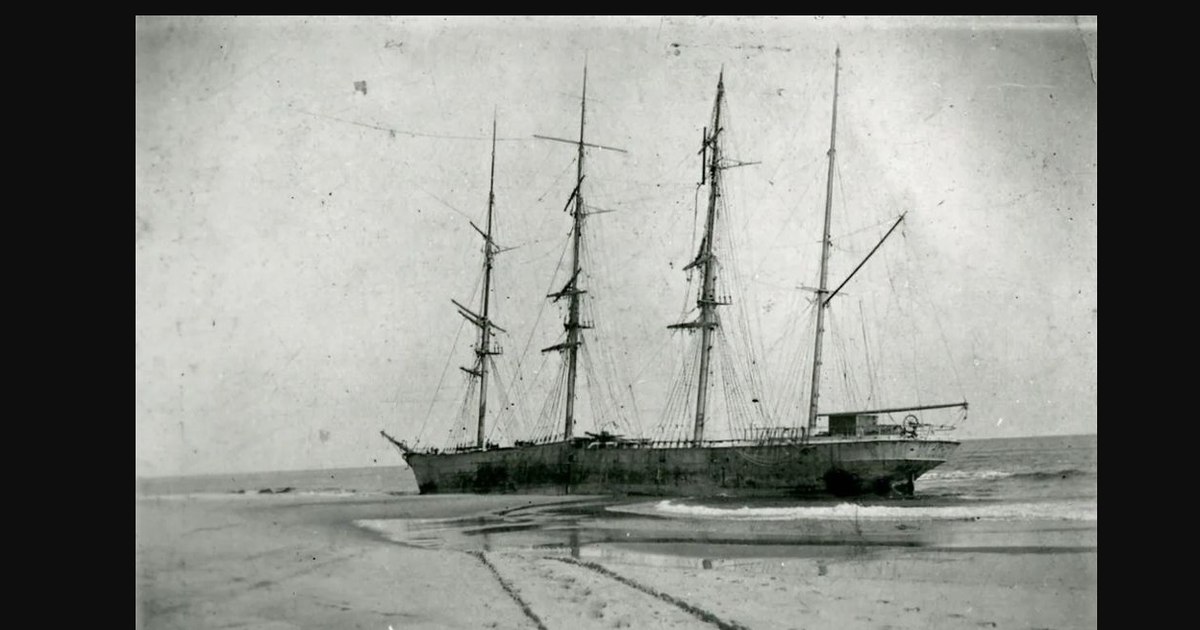
An island of only 31 square kilometers off the coast of Canada is considered a real “cemetery of the Atlantic”. A graveyard of boats, from ships from the 16th century to large vessels from the 20th century. In addition, many crews also perished here.
Wreck on Sable Island PHOTO amusingplanet.com
300 kilometers away from Halifax, on the northern coast of Canada, there is a tongue of land in the shape of a crescent. It has 31 square kilometers, is populated only by wild horses and is known as the “Graveyard of the North Atlantic”. It is actually called Sable Island and is mostly covered with sand and dwarf vegetation or tall grasses. It is a place where you cannot find shelter, beaten by cold winds and at the mercy of the weather. It earned its reputation as a nightmare place for sailors due to its numerous shipwrecks. Mysteriously, over the centuries, hundreds of ships have actually crashed directly into the sandy shores of the northern “crescent”.
North Atlantic desert, in the way of trade routes
Sable Island was first discovered by the Portuguese explorer Joao Alvares Fagundes in 1520. The island was first named after the explorer, Fagunda. Later, the same island appears in Portuguese maps with different names, Santa Cruz, Barcelos or Isola della Rena. In 1600, the French settle in the Canadian area and rename the island, simply calling it Sable, which means sand in French. The island, with a length of 40 kilometers and a width of only 1.2 kilometers, got its name because of its coasts covered with fine white sand.
It is an inhospitable territory, a stretch of sand and grassy plain swept by strong winds. Ocean currents constantly shape its shape and, in addition, have created underwater sand barriers for a distance of 30 kilometers in many parts of the island. Because of the warm currents of the Gulf Stream meeting the cold ones stirred up by the Labrador Current, they give rise to the dense fogs that hide the island for a period of 125 days a year. No trees grow on the island, there are no shelters, and few people have lived, for limited periods of time, in this harsh place. Instead, it is full of wild horses. Although a drop in the ocean, this island has always been on the trade routes that crossed the North Atlantic from Europe to North America. That is why its existence has been indicated on many maritime maps since the era of the great geographical discoveries.
The North Atlantic Cemetery, a place of despair and death
Sable Island, however, has been a true cursed place for sailors and travelers throughout the centuries. Including for entrepreneurs who lost all their cargo or shipowners who were left without ships or commercial vessels of large tonnage. Due to the fogs that hide the island for about four months of the year, as well as the underwater sandbars, for several centuries ships actually stuck into the island without noticing it. Things were also complicated by the extremely deceptive ocean currents that effectively changed the direction of travel of the ships. The accidents were serious, the wrecks effectively remaining trapped in the sand and banks, with significant damage.
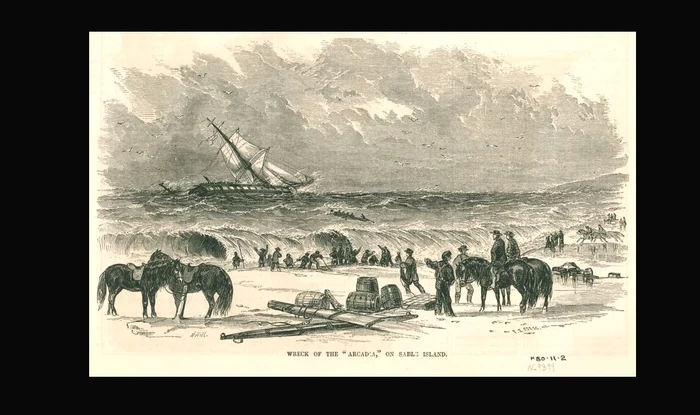
Shipwreck in the Sable Island area PHOTO cbc.ca
According to one estimate, no fewer than 350 shipwrecks have been recorded around the island, from the 16th century to the end of the 20th century. Sable Island is not only a graveyard for shipwrecks, but also for the victims of shipwrecks. Being a homeless island with not many resources apart from a few sources of fresh water and grass, survival was almost impossible. In addition, the shipwrecks were so bad that many drowned near the sandy shores. Indeed, many boats were suddenly bumping into the sandy barriers, which suddenly jutted out in front of them. Once embedded in the sand, many boats were effectively destroyed by the strong waves and currents, with nothing rescue teams could do. Some of the horses that ran wild on the island ended up there as a result of shipwrecks.
The great tragedies on the banks of the “cemetery of the North Pacific”
The first major shipwreck recorded on Sable Island occurred in 1583. A British ship, HMS Delight, was sailing with a royal frigate, commanded by Sir Humphrey Gilbert, a British adventurer and explorer during the reign of Elizabeth I. HMS Delight contained a large quantity of supplies when he actually struck one of the sandy shoals around Sable Island, which he had missed due to the fog. The ship sank due to the damage caused. The frigate assisting this ship could not intervene due to the shallow water and sandbars. Most of the ship’s crew drowned. Another notable catastrophe occurred in the late 19th century when the la Bourgogne, considered the fastest French liner of the 1880s, ran aground on the shores of Sable Island. The ship actually got lost in the fog, hit a British vessel and then ran aground on the sands of Sable Island.
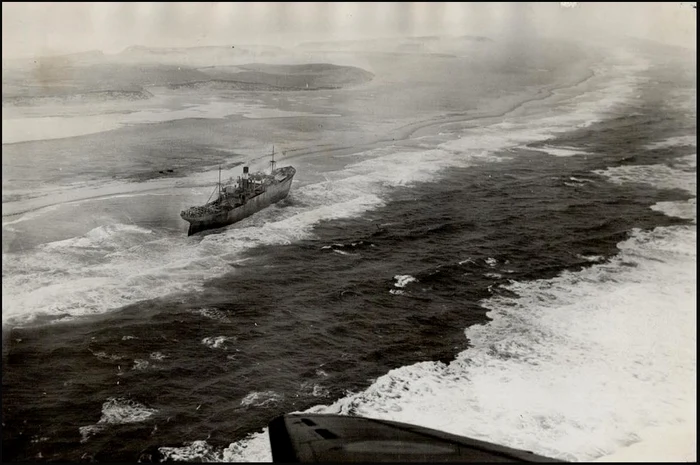
Wreck on Sable Island PHOTO amusingplanet.com
More than 500 people, that is almost 90% of the passengers, drowned. Hundreds of ships, an estimated 350, ran aground on the shores of Sable Island, and thousands of people died, either in the waters surrounding the island or on the island. Because of this, the British government founded the “Humane Establishment on Sable Island” in 1801, an organization that maintained two rescue stations, one at each end of the island. These lifesaving stations were permanently staffed and managed to help many castaways for more than a century. With the new navigational instruments, accidents were less frequent on Sable Island and the retired personnel, especially as they led a hard life on the island. Accidents, although rarer, continued to happen in the area. The last known shipwreck occurred in 1999, when the yacht Merrimac crashed into the island. The crew was rescued by some employees at an oil rig in the area.
