
The ancient city of Troy, immortalized in Homer’s “Iliad”, has piqued the curiosity of historians, archaeologists and literary enthusiasts for centuries.
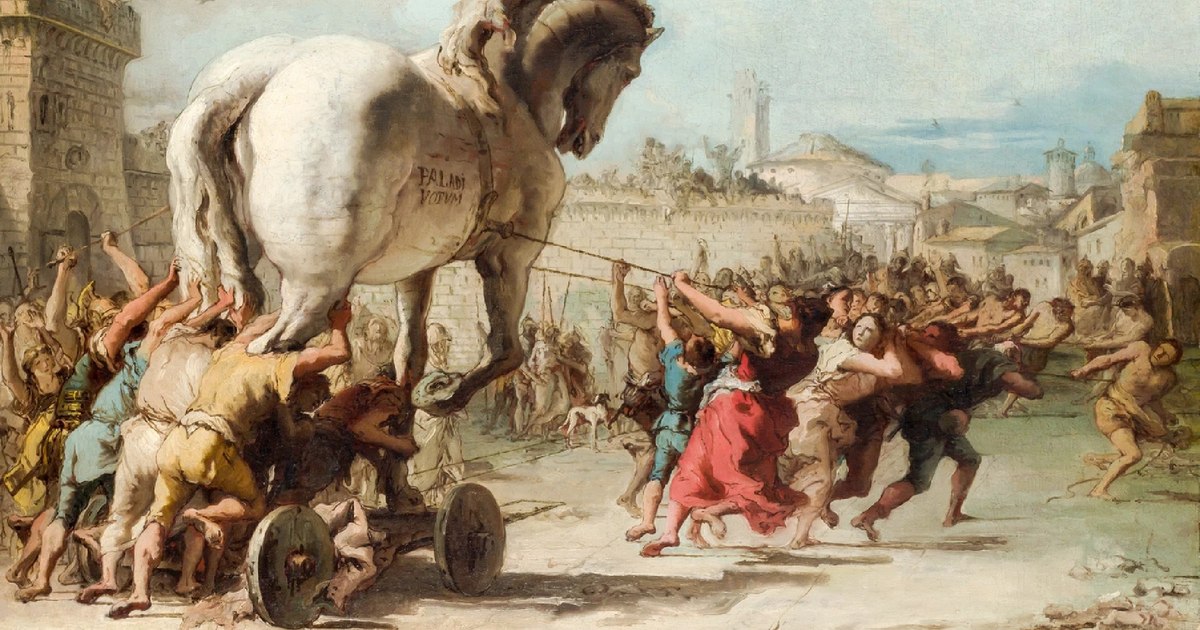
The Trojan Horse Painting by Giovanni Domenico Tiepolo from the National Gallery London Photo AdobeStock
Although much of the city’s story is closely tied to mythology, archaeological discoveries have provided a better understanding of its historical importance. Here are five fascinating facts about the legendary city of Troy, along with bonus insight into its enduring legacy and a number of tips for those interested in visiting.
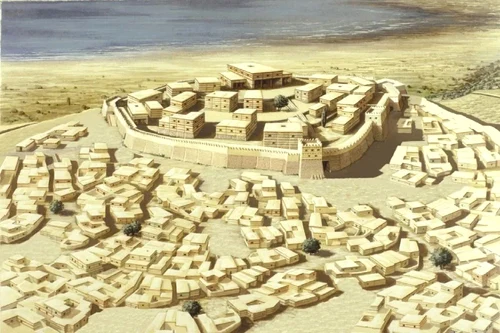
Image 1/14:
Troy in the Bronze Age artistic representation Photo Christoph Haußner / DMS
1. Troy – the stratified city and its millennial history
Troy was not just a simple city, but a unique complex of nine settlements built layer upon layer over millennia. Excavations at Hisarlik, located in present-day northwestern Turkey, have revealed this fascinating evolution, each layer reflecting a distinct stage in its history. Depending on archaeological sources and interpretations, one can speak of nine or ten occupation layers, and the exact number depends on how these occupation periods are defined and distinguished in recent research.
The most fascinating of these layers, Troy VII, is considered to be contemporary with the Trojan War period, around 1190 BC. Archaeological findings from this level include clear signs of fire and destruction, suggesting a besieged city, just as Homer described it in “The Iliad”. This connection adds realism to the legend, turning the myth into living history.
The walls of Troy VII, which are still preserved today in some places, impress with their height of nine meters (30 feet). Built from a combination of stone and brick (mud/clay), this fortification is an outstanding example of advanced engineering from the Late Bronze Age, once again emphasizing the strategic significance and capital importance of the city at that time.
2. The Trojan War may have been sparked by commercial disputes, not love
Although in Homer’s “Iliad” the war is presented as a consequence of the abduction of Helen by Paris, the wife of the Spartan king Menelaus, historians suggest a much more practical explanation: the desire to control strategic trade routes in the region.
Troy’s location at the entrance to the Dardanelles made it a key point for trade, but also a target of interest for rivals such as the Mycenaeans. This hypothesis is supported by Hittite records, which mention the city as “Wilusa”, a vassal state involved in conflicts with the Mycenaeans, known in these texts as “Ahhiyawa”.
Hittite archives reveal long-standing conflicts in which Wilusa, identified with Troy, was involved, highlighting constant tensions in the region. These documents detail treaties and negotiations, highlighting the city’s strategic role as a trading hub and frequent source of dispute.
Troy’s wealth, fueled by its control of land and sea trade routes, was a major reason for Mycenaean aggression. The region’s agricultural prosperity also contributed to its appeal: the fertile plains surrounding the city supported a thriving agriculture, producing grain and raising livestock, making Troy a coveted prize for neighboring powers in search of valuable resources.
3. The famous Trojan Horse between legend and reality
The legendary symbol of the Trojan War, the Trojan Horse, is one of the most iconic images associated with this story, but interestingly, it does not appear in “The Iliad” to Homer. Instead, his story is introduced in later works such as “Aeneid” of Vergilius (Virgiliu / Virgiliu).
Legend has it that Greek soldiers hid in an enormous wooden horse, given to the Trojans as a supposed peace offering. The naivety of the inhabitants led them to bring the symbol “peace” inside the city. At night, the Greeks crept out of hiding, opened the city gates for their army, and destroyed Troy.
Today, historians and archaeologists question the real existence of this horse. Some suggest that the story may be a metaphor for a siege engine, such as a battering ram, or for an ingenious and deceptive military strategy used to capture the city. Whether myth or reality, the legend of the Trojan Horse remains a fascinating part of the world’s cultural heritage.
Some researchers suggest that the famous “Trojan horse” it could be a metaphor for Poseidon, the god associated with horses and earthquakes, indicating the possibility of natural disasters or ingenious strategies that led to the fall of Troy.
Archaeological evidence of fire and destruction in Troy VII supports the idea of a violent end to the city, although the exact details of this catastrophe remain shrouded in mystery.
Moreover, the absence of the horse in the early accounts raises questions about the veracity of the story. The “Aeneid,” which introduces this legend, was written centuries after the alleged events of the Trojan War, suggesting that the story of the horse may be a literary addition intended to heighten the drama of the fall of Troy. Regardless of the truth, the legend remains one of the most compelling narratives in history.
4. The heroes and survivors of Troy – the legends that shaped ancient mythology
The fall of Troy not only ended its historical civilization, but ignited the imagination of generations, giving birth to legends that continue to fascinate. Iconic figures such as Achilles, Odysseus, and Agamemnon became pillars of Greek mythology, each playing a pivotal role in the epic Trojan War.
Achilles, the almost invincible warrior, earned his immortality in the story through his heroism, but also through the tragic vulnerability of his heel, the fatal spot struck by an arrow fired by Paris.
On the other hand, Odysseus’ long and eventful journey home, masterfully described in “Odyssey” of Homer, has become a literary masterpiece that explores courage, ingenuity and the desire to return.
These stories not only shaped ancient mythology, but deeply influenced Western literature and culture, remaining alive in the collective memory of humanity.
For the Trojans, Aeneas became an iconic figure of hope and survival. According to Roman mythology, Aeneas escaped the inferno of the destruction of Troy, leading his people to Italy, where his descendants would lay the foundations of Rome. This story provided Rome with a heroic legacy, cementing its claim to divine and heroic roots, and cemented Troy’s place as a symbol of resilience in the cultural memory of antiquity.
The influence of the Trojan legend was not limited to the Greco-Roman world. In literature, the story of the Trojan War took on new life in the Middle Ages and Renaissance, becoming an inexhaustible source of inspiration for famous authors such as Geoffrey Chaucer and William Shakespeare. Love, betrayal and revenge, the universal themes of Troy, have continued to fascinate, being reinterpreted in masterpieces that have crossed the centuries.
5. The archaeological site of Troy – a fascinating look into its legendary past
Today, the archaeological site of Troy, a UNESCO World Heritage Site for 27 years, offers a direct connection to its fascinating history. The imposing walls, well-preserved gates and ruins that still stand the test of time reveal the grandeur and scale of this ancient city. Among the remarkable finds are artefacts such as pottery, tools and coins, each reflecting the vitality and central role of Troy as a cultural and economic meeting point in the Bronze Age.
A distinctive feature of the city was its proximity to the sea, which fueled its prosperity by facilitating trade by land and sea routes. However, Troy was not exempt from trials. Devastating earthquakes and successive invasions have marked the city’s history, forcing the inhabitants to rebuild it time and time again. These challenges, however, only add to the site’s charm, underscoring the remarkable resilience of a civilization that has endured for millennia.
Archaeological excavations have brought to light remarkable evidence of textile production in Troy, including tools used for spinning and weaving. These artifacts emphasize the city’s role as a center of production and trade, known for exporting high-quality textiles to neighboring regions.
Moreover, the remains of horse bones found at the site reinforce Troy’s reputation as an important center for horse breeding and equestrian culture. These findings align with the descriptions in “The Iliad” of Homer, which portrays Troy as a place of prestige in the art of raising and using horses, a feature that contributed to its fame in the ancient world.
Bonus: the mythical legacy of Troy – an inexhaustible source of artistic and literary inspiration
Troy’s influence transcends the boundaries of history and archaeology, becoming an inexhaustible source of inspiration for art, literature and theater throughout the centuries. The gripping story of the Trojan War has been brought back to life through ancient Greek tragedies, Renaissance masterpieces and the epic films of today.
A testament to its cultural impact was the British Museum’s 2020 exhibition – “Troy: Myth and Reality”which brought together archaeological artifacts and artistic interpretations of legendary events. This highlighted how the myth of Troy has captivated the human imagination for millennia.
In addition, the story of Troy has challenged academics to explore the complex relationship between myth and history, raising questions about what we consider to be historical truth. Although Homer’s epics blend fact with fiction, they convey universal themes—conflict, human ambition, and the devastating costs of war. These lessons, thousands of years old, remain just as relevant today, reaffirming Troy’s role as a bridge between past and present, reality and legend.
Essential tips for travelers who want to visit Troy
Today, Troy, a place of legend, awaits you in northwestern Turkey, near the village of Tevfikiye. Here’s what you need to know for an unforgettable visit:
Accessibility
Troia is only a 30-minute drive from the town of Canakkale on the E87 Highway. If you come from Istanbul, the journey takes about five hours, following the O-5 and E90 roads.
Public transport
For those without a car, buses from Canakkale are a convenient option to reach the archaeological site.
Exploring the legendary ruin
The ancient site is easy to navigate, with wooden walkways and interpretive signs. Among the main attractions are the well-preserved sections of the Trojan walls, the city gates and the famous replica of the Trojan horse. You’ll also enjoy impressive views of the surrounding plains, which underline the city’s strategic importance in the past.
Troy Museum
Don’t miss the nearby museum, a modern space that houses an impressive collection of artifacts from Troy, including tools, pottery, jewelry, and ancient inscriptions. These exhibitions will give you a deep insight into the history and culture of the legendary city.
Tips for visitors
Wear comfortable shoes as the site involves walking on rough terrain. Add water to your bag, especially in the hot summer months. If you want to learn more about the history of Troy, you can opt for a guided tour or pick up an informative brochure at the entrance.
Troia Cultural Route
There is also a spectacular cultural-historical route: the Troia Cultural Route, inaugurated seven years ago. Inspired by the epic “Aeneid”this fascinating route stretches for 120 kilometers and offers a unique experience that combines culture, history and nature. Visitors can explore this treasure on foot or by bike, discovering landscapes of extraordinary beauty and traces of a legendary civilization that continues to inspire the imagination.
Troy is waiting for you to discover it in an authentic and fascinating way!
