
A third of the Arctic’s tundra, forests and wetlands have become a source of carbon emissions as global warming ends thousands of years of carbon storage in some parts of the frozen north, according to a new study.
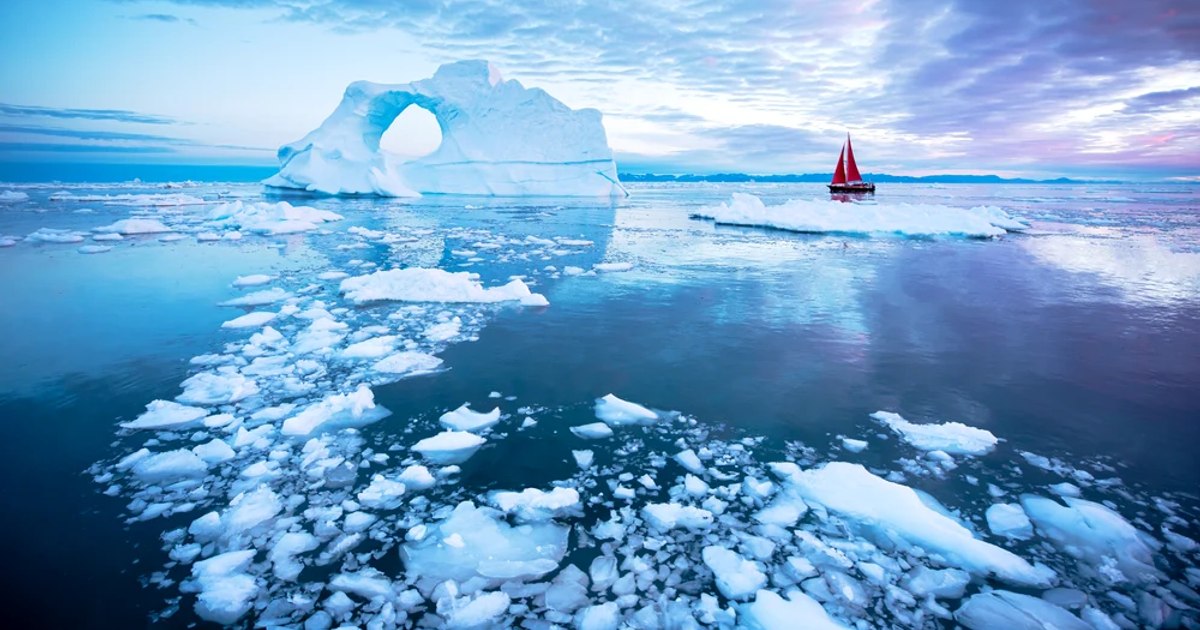
The Arctic will melt even more in the coming years PHOTO Shutterstock
For millennia, Arctic terrestrial ecosystems have acted as a freezer for the planet’s carbon, storing large amounts of potential emissions in permafrost. But the region’s ecosystems are increasingly contributing to global warming as they release more CO2 into the atmosphere as temperatures rise, according to the findings of a new study published in Nature Climate Change, according to theguardian.com.
According to the analysis, more than 30 percent of the region was a net source of CO2, rising to 40 percent when emissions from wildfires were included. Using monitoring data from 200 study sites between 1990 and 2020, the research demonstrates how the Arctic’s boreal forests, wetlands and tundra are being transformed by rapid warming.
“This is the first time we’ve seen this change on such a large scale, cumulatively across the entire tundra. It’s a pretty important thing,” said Sue Natali, study co-author and principal investigator at the Woodwell Climate Research Center.
The change is happening despite the fact that the Arctic is getting greener.
“At a place where I work, in interior Alaska, when the permafrost thaws, the plants grow more, so sometimes you can get an increase in carbon storage,” Natali stated.
“But the permafrost continues to melt and the microbes take over. You have this very large pool of carbon in the soil and you see things like soil collapse. Changes in the landscape can be visually observedshe said.
The study comes amid growing concern among scientists about the natural processes that regulate Earth’s climate, which are themselves affected by rising temperatures. Together, the planet’s oceans, forests, soils and other natural carbon reservoirs absorb about half of all human emissions, but there are signs that these reservoirs are under pressure.
The Arctic ecosystem, which includes Siberia, Alaska, the Nordic countries and Canada, has been storing carbon for thousands of years, helping to cool the Earth’s atmosphere. In a warming world, researchers say the region’s carbon cycle is beginning to change and requires better monitoring.
Anna Virkkala, lead author of the study, said: “There is a carbon load in arctic soils. It is almost half of the Earth’s soil carbon stock. It is much more than there is in the atmosphere. There is a huge potential reservoir that should ideally remain in the soil. As temperatures warm, soils warm. In permafrost, most soils were completely frozen throughout the year. But now temperatures are higher, there is more organic matter available for decomposition, and carbon is being released into the atmosphere. This is the permafrost-carbon reaction, which is the main determining factor in this case.”
