
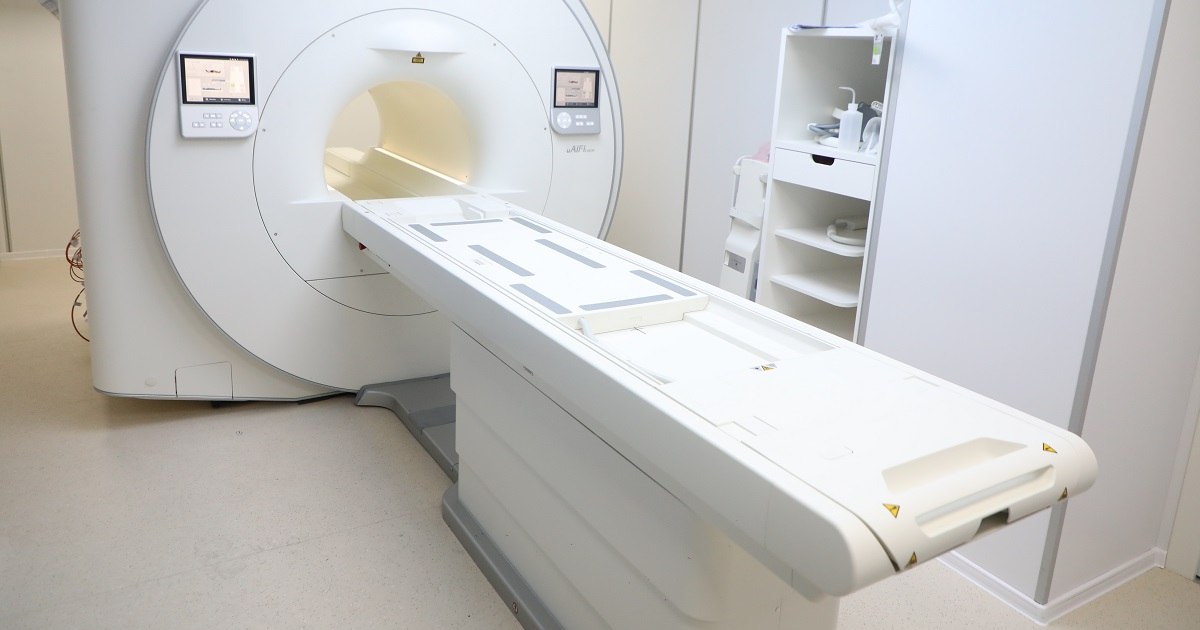
Both CT and MRI, the most common types of imaging investigations, provide valuable information in diagnosing and monitoring various conditions.
The choice between the two depends on the specificity of each case and the recommendations of the specialist doctor, explains Dr. Caterina Loghin, specialist cardiology with competences in cardiac ultrasound and cardiac MRI.
What is a CT and when you need it?
CT scan (computed tomography) is an irredictive investigation, which uses X -rays to obtain detailed images from inside your body, from brain to extremities. It’s super fast – in a few minutes, the doctor can see structures like bones, lungs, abdomen or even blood vessels. Doctors recommend it when: we have an emergency (strokes, accidents, acute pain), they want to see quickly if there is inflammation, hemorrhage or a suspicious formation, to determine the stages of cancer, when they want to investigate the lungs, sinuses, bones or abdomen.
“The CT involves a quantity of radiation-controlled, but real. It is not dangerous if it is recommended with discernment, but it is not something we do “monthly, preventive”. It is not recommended during pregnancy and is not ideal for children or people who need more repeated investigations, or people who have renal failure“, Dr. Caterina Loghin, specialist cardiology doctor at M Hospital, with competences in cardiac ultrasound and cardiac, advises us.
What is an MRI and why is your favorite in the case of soft tissues?
MRI (Nuclear magnetic resonance) is like a “magnetic” device that, without radiation, manages to show you in detail parts of the body that the CT cannot surprise as well: the brain, the cardiovascular apparatus, the muscles, the spine, the organs (liver, spleen, rhinii, glove, glove, glove (meniscus, ligaments, tendons) or the reproductive system (ovaries, uterus, prostate, testicles).
To be afraid, to have a discomfort during the MRI investigation, there are very common sensations. However, you are always under the supervision of doctors, you are offered headphones to protect yourself from loud noise, you have intercom communication and you can even ask for a break.
“Compared to the CT, the MRI does not use radiation, but it can take longer (20-45 minutes), and the noise in the device can be unpleasant. Some people may rareand sensations of claustrophobia, which is why a discussion with your doctor is recommended before investigation“Adds Dr. Caterina Loghin.
Whether we are talking about CT or MRI, your doctor may recommend the use of a contrast substance, to highlight certain structures or abnormalities on the obtained images.
Contrast substance: What is, more precisely?
It is a special solution (iodine based on CT or Gadolinium for MRI), usually administered intravenously, which helps the doctor more clearly observes blood vessels, tumors, inflammation or hidden lesions.
The contrast substance: is it safe?
In general, yes. Adverse reactions are rare, and patients are evaluated before.
However, announces the doctor if: you have allergies (especially in iodine or other medicines), suffer from kidney disease, you are pregnant or breastfeeding. In these cases, additional analyzes can be done before or chooses an alternative without contrast.
How does it feel?
Most patients say they feel a passing heat in the body. It’s normal. It doesn’t hurt. Don’t be scared. The medical staff explains you all step by step.
What do you have to do before and after the substance administration?
Previously: it is possible to ask you not to eat 4-6 hours before (especially for abdominal CT with contrast).
After: Drink plenty of water to quickly remove the substance from the body
Note: CT and MRI are two essential methods of investigation in modern medicine, each with its well-defined role. There is no universal “better” – there is only what is best for you, depending on the symptoms, the medical indication and the personal health history.
If the CT provides speed and clarity in urgent cases, the MRI comes with depth and precision for delicate tissues, without exposure to radiation. It is the doctor who will guide you to the correct option, and you have the right to understand, ask and feel safe at every step.
