
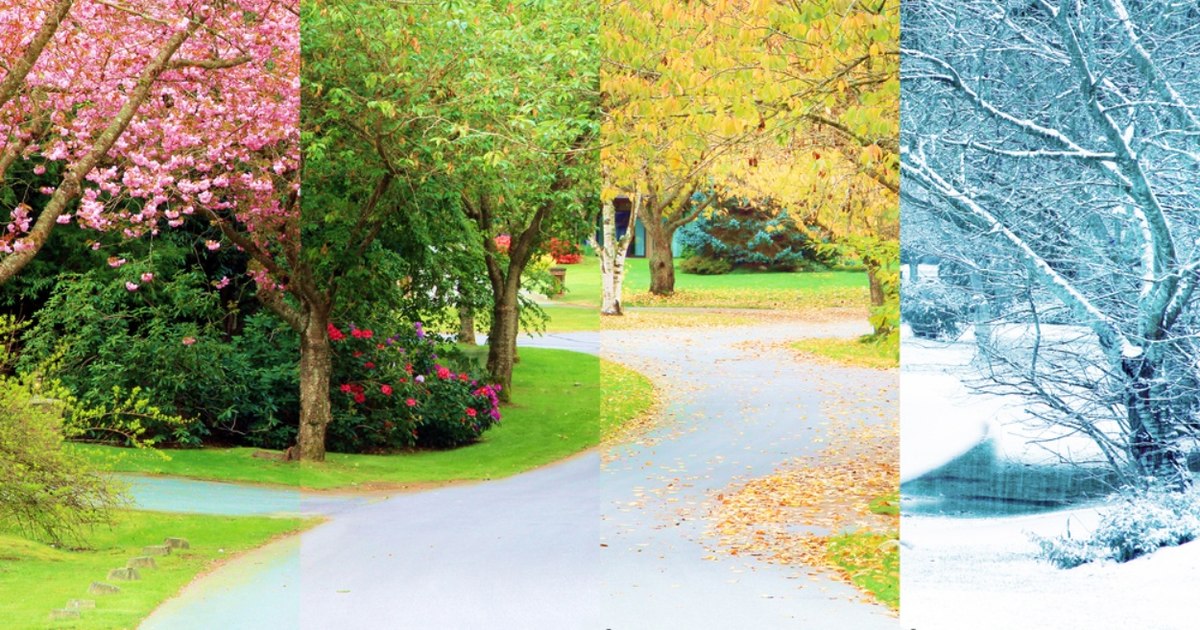
According to a new study, in addition to the four seasons we all know, there would be two more, which are now part of the annual climate rate of the Earth.
Photo: Archive
Climate change has impacted the whole world, and this time the change of the Earth’s atmosphere is largely determined by human activity, which is a problem for public health, marine life and global ecosystems.
During the study, the researchers also found that there are some “seasons” that disappear completely, because climate change affects the way of the Earth, writes Metro UK.
“The season of the city”
The season of the city appears every year, usually between August and October. It is specific to the Southeast Asia region and is characterized by the appearance of a dense fog layer that covers large areas.
This phenomenon leads to a dangerous air quality and causes many health problems. The fog comes from intentionally triggered fires – the massive burning of vegetation to clean agricultural land, especially in countries such as Indonesia and Malaysia.
“The season of garbage”
The season of garbage takes place mainly in Bali, between December and March. During this period, due to the modification of the direction of the monsoons, the ocean currents bring to the shore large amounts of plastic waste, covering the beaches with piles of garbage.
The phenomenon has become so predictable that the locals can anticipate it accurately, month by month. Similar events were also observed in the Philippines, Thailand and even along the Eastern US coast, where ocean currents, such as Gulf Stream, push floating debris to Florida and Carolina, especially in summer.
The researchers analyzed decades of satellite images, meteorological data and local reports and have introduced new terms to describe the changing climatic patterns, such as “missing seasons”, “arrhythmic seasons” and “syncopated seasons”.
They also noticed that these seasons appear in more and more parts of the world. For example, the blurred sky became a winter norm in northern India, when the monsoon season ends and the scents are burning. In the US, parts of the northeast are frequently covered by smoke. As the climatic changes worsen, such events will become more frequent.
But the changes also affect the already existing seasons – and not in a positive way. In the Alpine regions, such as the Andes and the Rocky Mountains, the winter sports season is on the verge of endless lack of snow. In the northeast of England, Marine birds like Kittiwake seagulls no longer return to the ordinary period, which breaks a natural cycle.
The so-called “arrhythmic seasons” refer to the spring and summers that have come out of their normal rhythm. Researchers notice that reproductive and hibernation cycles in Europe begin weeks earlier than in the past. And the “syncopated seasons” did not disappear and did not move, but they intensified. This phenomenon is visible in Europe, where summers have become more and more severe.
