
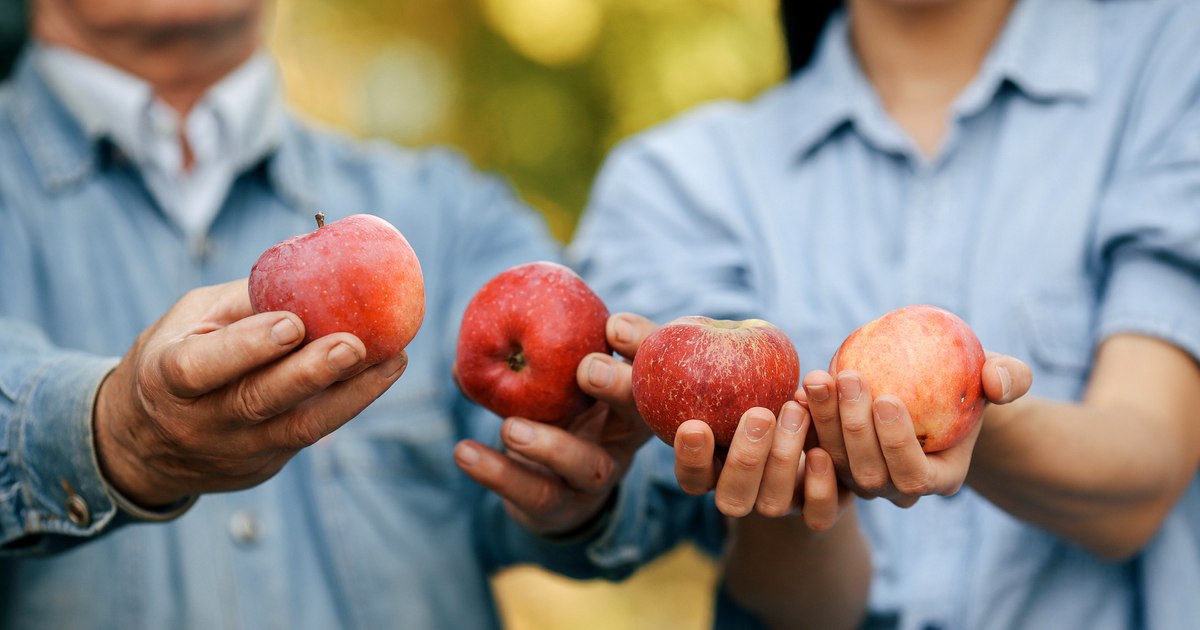
The autumn crops from orchards and gardens bring in front of the travelers through the more intensely transited villages of Romania a varied offer of fruits and vegetables, made available by the locals. Often, they are cheaper, but they are also appreciated for their qualities.
Apples are among the healthiest foods. Source: freepik.com
On the tables placed at the gates of the households, many Romanians welcome their visitors with the best in the gardens: apples, plums, guts, peaches, blackberries, tomatoes, onion and garlic, potato bags, syrups, sweets, stews and zacusci and, sometimes, drinks.
The prices are similar to those of the same products found on the shelves of supermarkets, they are usually negotiable, and sometimes the villagers complete the shopping bag adding some free fruits or vegetables. Apart from prices, several other aspects differentiate the fruits and vegetables sold in front of the houses on the shelves.
The little business at the gate
A local from Nucșoara, a picturesque village in Hunedoara, at the foot of Retezatului, on the way to Lolaia Waterfall, shows why its fruits and vegetables are quite special.
“” The peaches I sell have picked them in the garden this morning. It is true that they are not as nice as the ones in the supermarket, and some have taken them from the floor, so they have stains and traces left after they have fallen from the tree. They have different sizes, they are not all like the ones in the supermarket, Sprinkled with nothing you have to worry about. it assures the village, 80 years old.
Another local and he also put for sale some of the garden fruits. He prides himself on his tomatoes, each distinguished from the other in size, appearance and consistency, and is ready to share their secret.
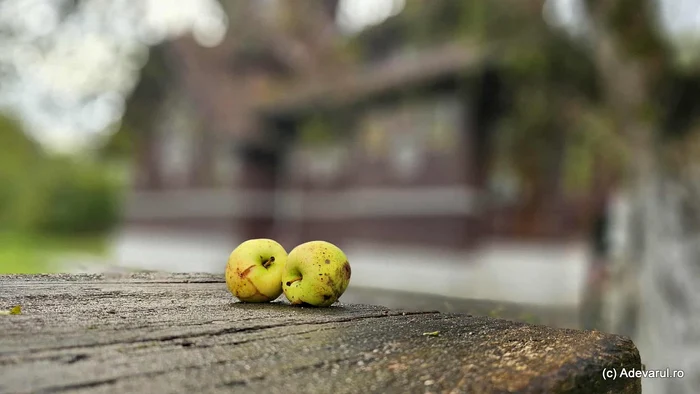
Autumn apples. Photo Daniel Guță
“The cutting is a few steps away from us, and its waters are the best in Romania. We have water brought here by falling, directly from Retezat, with which we water the garden. The clear and cold water makes the tomatoes extremely healthy.”believes the villager in Nucșoara.
In a nearby village, Bărăștii Hațegului, the cultivation of the onion is a long tradition, says one of the locals who sell onion strings.
“Some have worked at the Retezat dam and on other such sites, others in mining or in the factories and factories in Hunedoara and Hațeg. Now we take care of agriculture, and tourists coming to the area helps us round the pensions. However, we give them good products. Someone came and took ten pounds.”tells another village.
On the edge of other roads, some Romanians try to take advantage of the interest of customers for garden fruits and vegetables, perceived as nutritious and healthy, presenting their goods as being from their own gardens, although it is purchased from wholesale or supermarkets.
“The apples are bought from supermarkets, with 6 – 7 lei per kilogram and we sell them for 15 lei per kilogram. Sometimes we tell those who stop to yard from us, but they should recognize them, because all the apples are close and have no imperfection. Grapes with such big grains ”, Says a trader from Coșevița, an area where many Romanians sell such products on the edge of the Deva – Lugoj road.
Garden fruits have more antioxidants
Both the locals who sell their products in front of the household, but also some specialists praise the “imperfect” fruits and vegetables, offered directly from home.
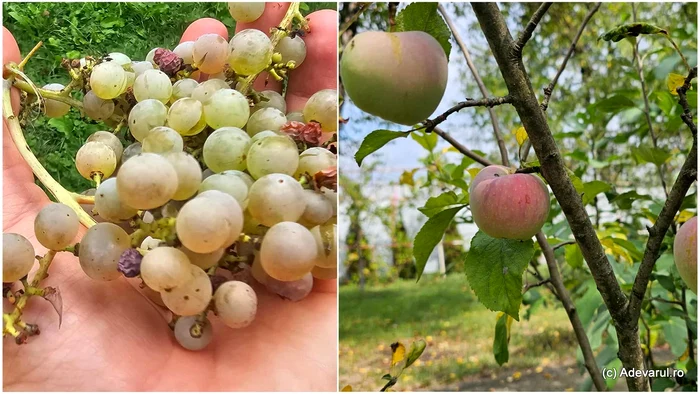
Autumn fruits. Photo: Daniel Guță
An analysis based on 343 studies, published by Cambridge University Press (Cup), has shown that organic products have lower levels of pesticide residues and an antioxidants content 20 to 40 percent higher than conventional products.
“Most importantly, it has been found that the levels of a range of antioxidants, such as polyphenols, are considerably higher in organic crops. Thus, concentrations of phenolic acids, flavans, style, flavone, flavonols and anthocyanins have been estimated to be higher. Many of these compounds were previously associated, in an intervention and epidemiological studies. chronic diseases ”, shows the study published by the Cup, one of the oldest academic publishers in the world.
According to the same study, the frequency of pesticide residues was four times higher in conventional crops, which have also contained higher concentrations of cadmium (CD), a toxic metal.
“There is evidence that the higher levels of antioxidants and the lowest CDs are associated with specific agricultural practices (for example, non -use of nitrogen and phosphorus mineral fertilizers), prescribed in organic agriculture systems. In conclusion, organic crops have higher concentrations of antioxidants, lower levels and lower levels. of pesticides than conventional cultures, in all regions and production seasons ”, Complete the authors of the research.
The “scars” of the fruits show a higher nutritional value
Another study, conducted on both conventional and organic apple varieties, found higher levels of antioxidants and fruit acids in organic apples.
“The regular consumption of fruit acids is beneficial in the prevention of diseases and metabolic disorders. We recommend the consumption of regional organic varieties, rather than those from integrated cultures” The specialists showed, according to The Salt.
The “ugly” fruits actually bear the visible scars of some successful battles: depths or spots where they rejected a pest or a superficial infection, said the fruit grower Eliza Greenman, quoted by The Salt.
“Although not all pests and diseases are harmless, it adds that some common infestations are caused by fungi that do not present danger, but which cause so-called dark spots and black dots, without affecting the taste or texture of the fruit and without being harmful to humans. Greenman suspects that these unsightly scars could reflect a greater nutritional value ”, notes The Salt.
