
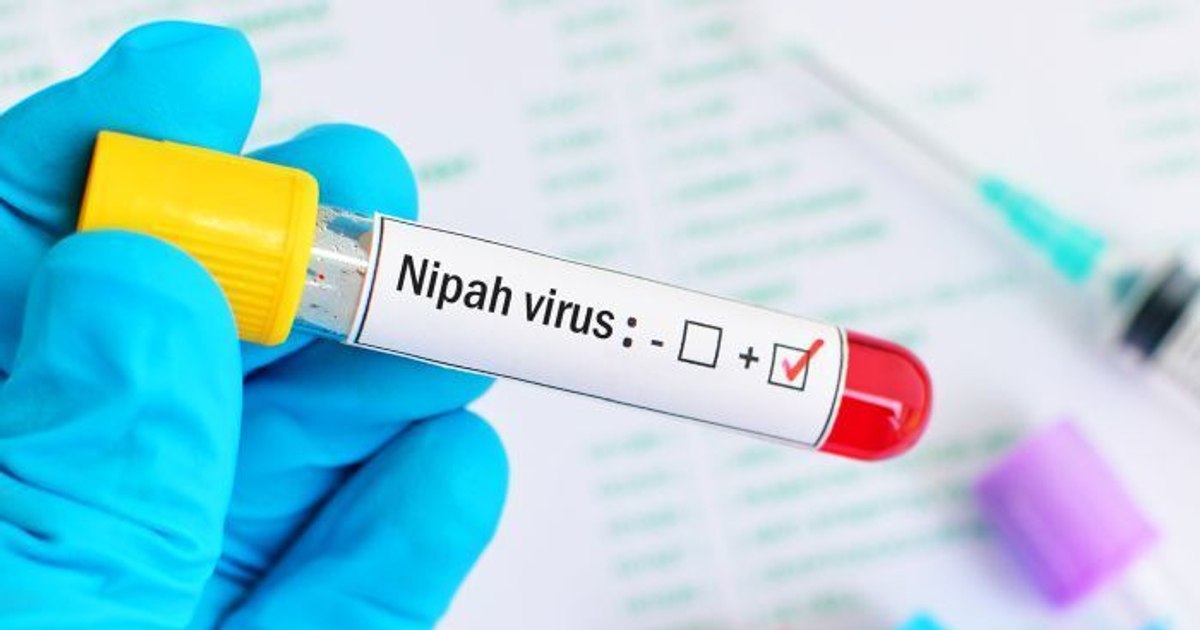
/The Nipah virus (NiV) has recently returned to the attention of the media and international health authorities, following the emergence of new outbreaks in India. Considered by the World Health Organization (WHO) a pathogen with high epidemic potential, the virus raises concerns due to the extremely high mortality rate and the lack of a specific treatment, notes neolife.ro.
Nipah virus is a zoonotic virus, which means it is transmitted from animals to humans. It was first identified in 1999 and is part of the Paramyxoviridae family. According to the WHO, the mortality rate associated with Nipah infection is between 40% and 75%, one of the highest among known infectious diseases.
The main natural reservoir of the virus is represented by fruit bats of the genus Pteropus. They do not develop symptoms, but can shed the virus through saliva, urine and excrement, contaminating fruit, water or surfaces in the environment.
How Nipah virus is transmitted to humans
Specialists have identified three main ways of transmission of the Nipah virus:
- Eating contaminated food, especially fruit or raw palm juice contaminated with the saliva of infected bats;
- Contact with sick animals, such as pigs or other infected domestic animals;
- Transmission from person to person, through close and unprotected contact with the secretions of an infected person, especially in the family or in medical facilities.
Symptoms of Nipah virus infection
The incubation period is usually between 4 and 14 days. The disease begins with flu-like symptoms, which can quickly progress to severe forms.
Initial symptoms:
- high fever;
- headache and muscle pain;
- cough and difficulty breathing.
Severe (neurological) symptoms:
- severe dizziness and drowsiness;
- confusion and disorientation;
- convulsions;
- coma, which can set in within 24–48 hours in severe cases.
Is there a treatment or vaccine?
Currently, there is no approved vaccine against Nipah virus and no specific antiviral treatment. Medical care is strictly supportive and involves treating symptoms and complications: hydration, respiratory support, and seizure control.
Recommended preventive measures
To reduce the risk of infection, the health authorities recommend:
- rigorous washing and cleaning of fruits before consumption;
- avoiding fruits with bite marks;
- avoiding contact with bats or areas where they roost;
- compliance with personal hygiene rules, including frequent hand washing.
Although the current outbreaks are located in Asia, experts warn that global mobility requires increased vigilance. Rapid identification of suspected cases, isolation of patients and compliance with preventive measures remain essential to limit the spread of this extremely dangerous virus.
