
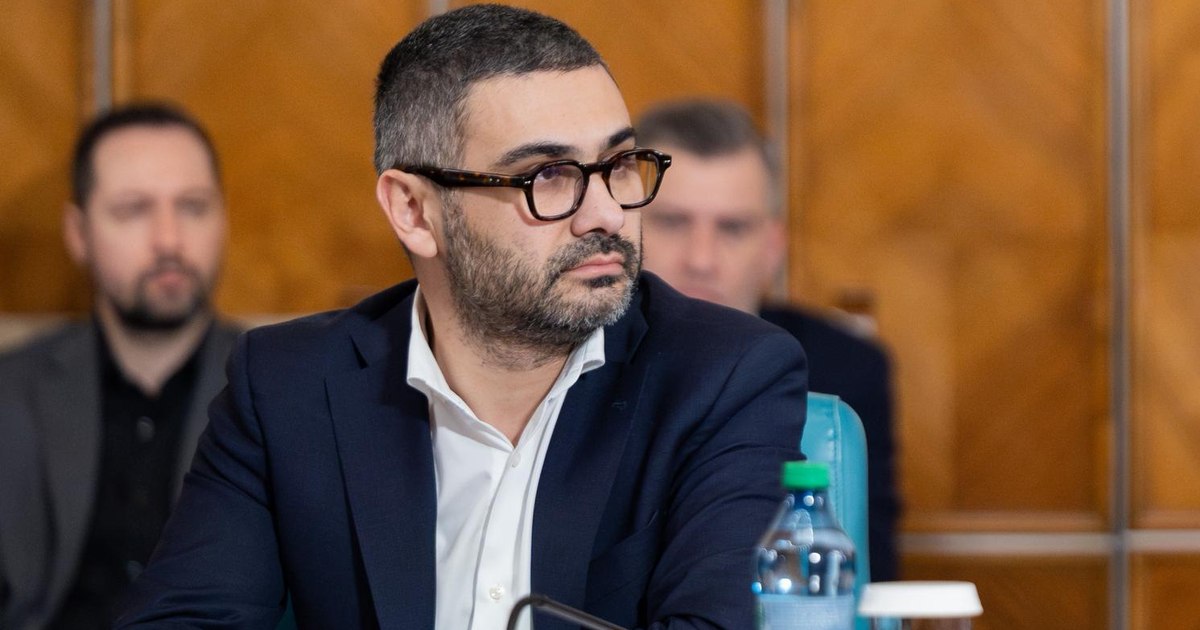
The Minister of Labor, Florin Manole, said that the ministry he leads will not make layoffs, stressing that the institution is facing a staff shortage and cannot afford to cut positions. In his opinion, not applying measures to protect the most vulnerable could fuel extremism and increase social tensions.
The official specified that, within the Labor Inspection in Bucharest, for example, the staff remained practically unchanged from 2008 to the present, and the elimination of some positions would affect the operation of essential systems for the protection of labor and for the management of social resources.
“At the Ministry of Labor we have a shortage of personnel, we have nowhere to cut positions”, explained Florin Manole, Minister of Labour, Family, Youth and Social Solidarity, in an intervention on Antena3.
The minister specified that each institution will decide individually how to apply the 10% reduction in management positions and it would not be “collegial” to respond instead of mayors or other credit coordinators.
“We will have a reduction in chief positions, but we cannot fire people because we would affect the operation of essential systems”he added.
The anti-poverty package: support for vulnerable families
Florin Manole also responded to the criticisms related to the anti-poverty package proposed by the Government, as a reply to the statements of the USR leader, Dominic Fritz, who had stated that “we can’t invent money, we don’t have a donkey that makes us gold”.
“This package does not propose to fight poverty in its entirety, but only to provide support for the most affected families. We are talking about modest amounts, somewhere over 750 lei for a mother with four children. Anyone who says it is a “handout” is wrong. We only propose a mitigation of the effects of inflation. It is not gold to put another 100 lei for that child, but it is common sense and solidarity”Manole pointed out.
In conclusion, the Minister of Labor warned that not applying measures to protect the most vulnerable could fuel extremism and increase social tensions, stressing the need for policies that support families affected by poverty and inflation.
